Fleet Charging Management: Best Practices for Keeping EVs Ready
North American fleet electrification is moving from pilot programs toward broader commercial deployment as companies seek to reduce fuel costs, meet emissions goals and improve operating efficiency. Delivery vans, municipal vehicles, transit buses, school buses and medium- and heavy-duty trucks are among the segments seeing growing EV adoption.
Falling battery costs, expanding vehicle availability and continued investment in depot charging are making larger-scale electrification more practical. Fleet operators are also gaining more experience with route planning, charging schedules and energy management, helping them determine which vehicles can transition to electric most effectively. As more fleets electrify, demand is increasing for reliable charging infrastructure and software that can manage energy use, vehicle readiness and charging costs across multiple depots.
Installing EV chargers at a commercial fleet depot is only the beginning. Once the equipment is operational, fleet managers need systems, schedules and monitoring processes that keep vehicles charged and ready for every shift. Unlike workplace or retail charging, fleet charging is mission-critical. A failed charging session can result in a missed route, service disruption or other operational consequences.
Effective fleet charging management starts with infrastructure designed around the fleet’s vehicles, duty cycles and schedules. For standard overnight depot operations, a ratio of one charger for every two to three vehicles can work with smart charging and scheduled load management. High-utilization or multi-shift fleets may require one charger for every 1.5 to two vehicles, while single-shift fleets with longer dwell times may need only one charger for every three to four vehicles.
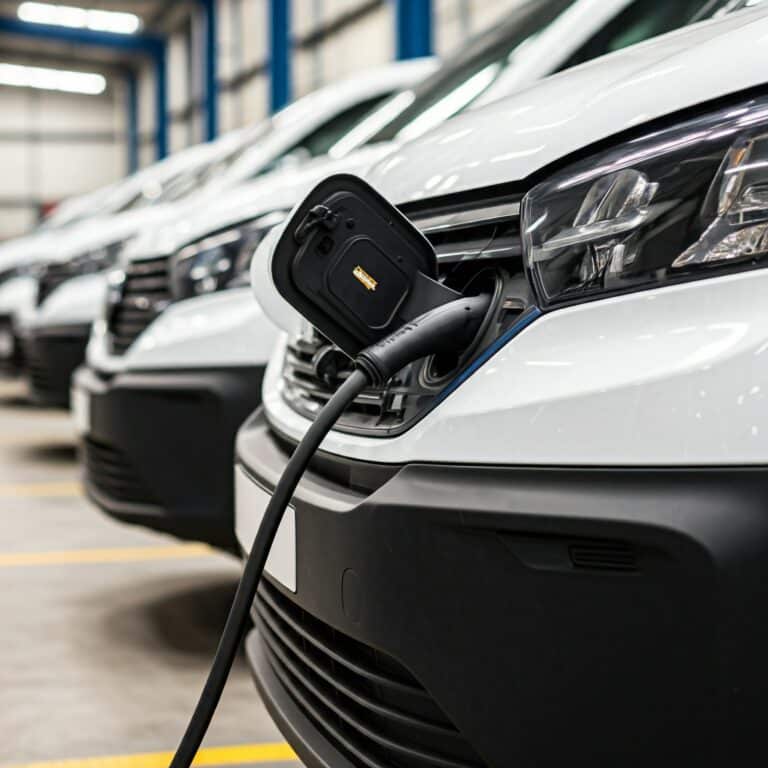
Level 2 charging at 7 to 19 kW is well suited to vehicles that remain at a depot for eight or more hours. DC fast charging at 50 to 150 kW can provide opportunity charging for vehicles returning during the day or operating high-mileage routes. The appropriate mix depends on dwell time and duty cycles rather than simply choosing the fastest available charger.
Utility planning should begin before charging equipment is selected. Fleet operators should assess available electrical capacity, examine demand charges and time-of-use rates, and investigate utility make-ready programs and other incentives. Service upgrades can take months, while new transformer installations can take 18 months or more. Infrastructure should also be designed for future growth, including additional conduit and panel capacity.
Smart load management is another critical component. When multiple vehicles return to a depot and begin charging simultaneously, their combined power demand can create significant demand charges. Intelligent charging can distribute available power among vehicles, prioritize those with earlier departures and shift charging into lower-cost periods.
Connecting charging management software with fleet telematics can further improve operations. Sharing vehicle location, state of charge, return times and departure schedules enables automatic vehicle identification, readiness alerts and priority charging. Fleet dashboards can also show charging status, state of charge, failed sessions and energy costs by vehicle, route and depot.
Driver procedures are equally important. Fleets should establish written charging procedures covering plug-in verification, cable handling, troubleshooting, fault reporting and escalation. Hands-on training can help drivers understand the transition from conventional fueling to scheduled charging and reduce operational errors.
Charging infrastructure also requires ongoing maintenance. Proactive monitoring can identify damaged equipment, charging failures and other problems before they affect scheduled routes. Fleet operators should track charging session success, infrastructure uptime, vehicle readiness, energy cost per mile, charger utilization and demand charges.
This is where AmpUp can help fleet operators turn EV charging from another operational responsibility into a managed system. See AmpUp’s Fleet Charging Management Best Practices: A Complete Guide for Fleet Operators.
AmpUp provides fleet charging software and services designed to manage charging, optimize energy use, monitor infrastructure and keep fleet operators informed about charger and vehicle status. Its managed charging services include 24/7 monitoring, issue resolution, driver and dispatcher support, load management and reporting.
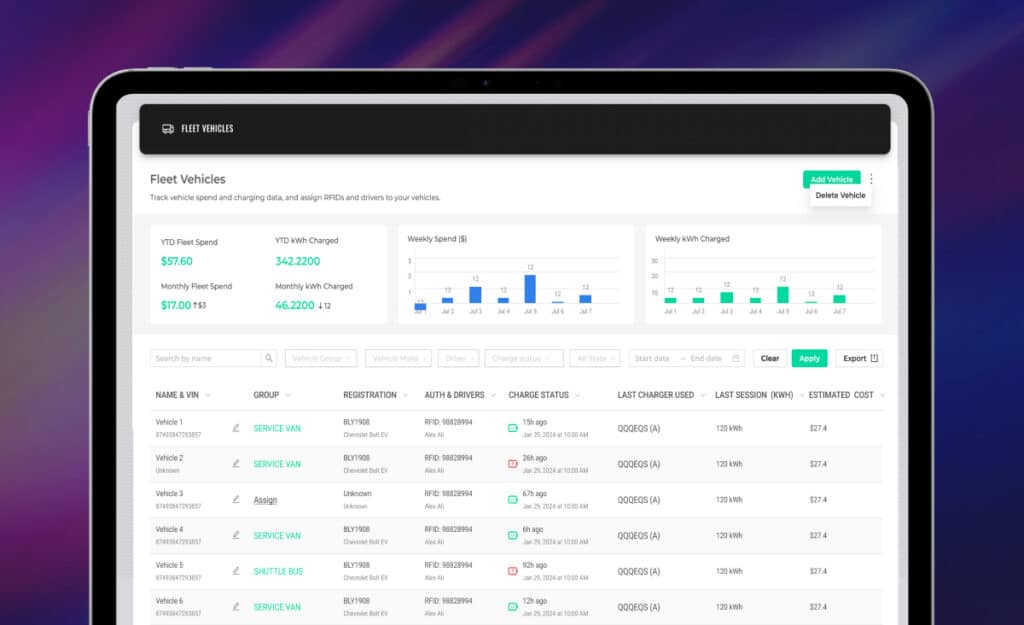
For fleets preparing to electrify or expand an existing EV operation, AmpUp can provide the technology and charging management expertise needed to scale. Instead of simply installing chargers and hoping they are ready when vehicles need them, fleet operators can use AmpUp to manage charging around routes, schedules, energy costs and vehicle readiness.
Learn more about how AmpUp can help simplify fleet charging management and build a more reliable EV charging operation at AmpUp’s website.

Electric Vehicle Marketing Consultant, Writer and Editor. Publisher EVinfo.net.
Services