Hawaiian Electric’s EV Charging Demand More Than Doubles
Hawaiian Electric delivered significantly more electricity to electric vehicle (EV) charging stations during the first half of 2026 compared with the same period in 2025, reflecting growing EV adoption and improved public charging availability across Hawai‘i. Electricity consumption at commercial charging locations, including shopping centers, big-box retailers and federally supported National Electric Vehicle Infrastructure (NEVI) sites, more than doubled from 3.1 gigawatt-hours to 6.4 gigawatt-hours. That amount of electricity is equivalent to powering approximately 12,600 homes for one month. Hawaii News Now reported the news on September 30, 2026.
Meanwhile, electricity dispensed at Hawaiian Electric’s 26 fast-charging locations increased 20%, from 1.1 gigawatt-hours to 1.3 gigawatt-hours. These figures exclude home charging, which remains the primary charging method for many EV drivers, particularly households with rooftop solar.
“Electric vehicles can help lower the cost of getting around because they use energy more efficiently and generally cost less to fuel and maintain than gas-powered cars,” said Aki Marceau, Hawaiian Electric’s director of electrification of transportation.
Hawai‘i’s growing EV population is driving demand for additional public charging infrastructure. In June 2026, 40,947 EVs were registered in Hawaiian Electric service areas, an increase of 4,362 vehicles compared with June 2025. Hawai‘i has the nation’s third-highest EV ownership per capita, behind California and Washington.
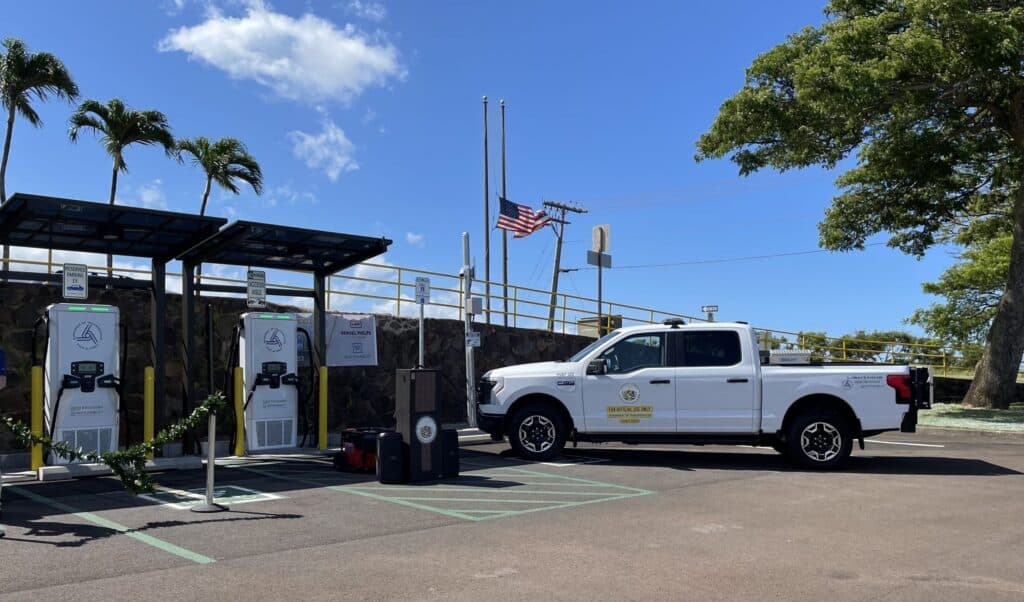
Hawaiian Electric is upgrading equipment at existing fast-charging locations and installing additional chargers at high-demand sites. Following equipment additions and reliability improvements, charging station utilization increased approximately 8%. Locations including Ward Avenue, Hilo Office, Kona Office and Waimea KTA recorded utilization increases of approximately 40% to 80% after additional chargers were installed, indicating previously unmet demand.
Hawai‘i’s Gas Prices Far Higher Than National Average
According to AAA, the national average for regular gas was $4.3085 as of October 17, 2026, and the Hawaii average was $5.6402.
Hawai‘i’s consistently higher-than-average gasoline prices are helping encourage drivers to consider electric vehicles (EVs) as a way to reduce transportation costs. Because the state relies heavily on imported petroleum, residents are particularly vulnerable to global oil price fluctuations, making gasoline-powered vehicles expensive to fuel. Battery-electric vehicles can offer substantial savings on fuel and maintenance, especially for drivers who charge at home or use rooftop solar. As EV adoption grows across the islands, expanding reliable public charging infrastructure can make electric driving more practical and affordable for more residents.
Hawai‘i’s relatively small islands and shorter driving distances make electric vehicle (EV) adoption practical, as most daily trips can be completed without extensive public charging stops. Compared with large mainland states, drivers generally travel shorter distances between communities, workplaces, shopping areas and destinations, making it easier to plan trips around home charging and strategically located public chargers.

Electric Vehicle Marketing Consultant, Writer and Editor. Publisher EVinfo.net.
Services