What EV Charging Networks Can Learn from ATMs
Technology makes the transaction possible. The customer experience gives people a reason to return.
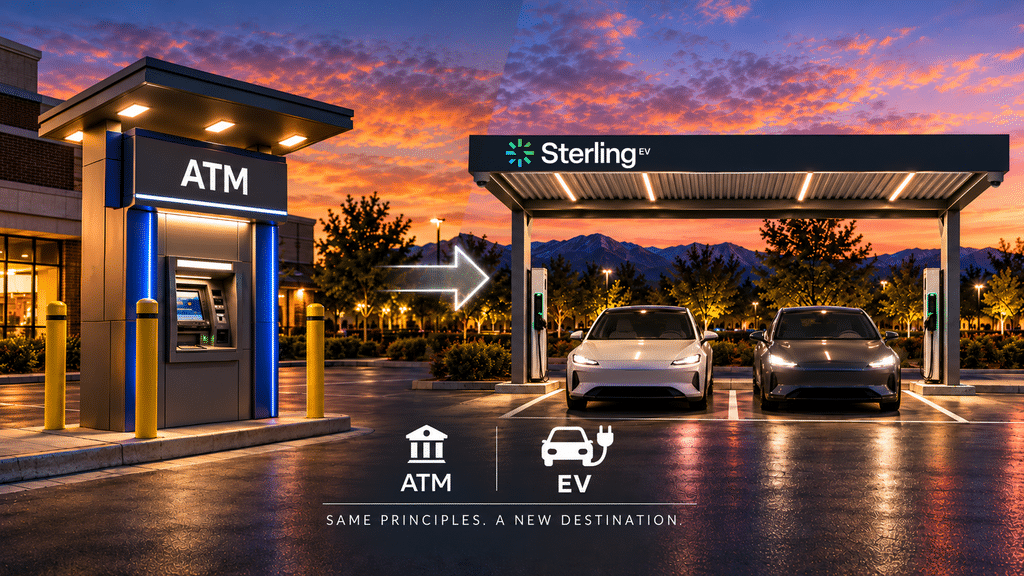
What do early ATM networks have in common with today’s EV charging networks? More than you might think.
Both put unfamiliar technology into public spaces and asked customers to trust it. Both demanded substantial investments in equipment, communications, and infrastructure. And both faced a challenge engineering alone could not solve: getting people comfortable enough to use the service—and choose it again.
For more than 30 years at Sterling ATM, we’ve helped banks attract and retain ATM users through design and branding. We’ve seen how lighting, visibility, recognizable identity, and thoughtful site design influence customer confidence.
EV charging operators face many of those same decisions, with an added challenge and opportunity: customers may be staying considerably longer.
A Working Machine Is the Beginning
When deploying technology, it’s easy to focus on installation: equipment capacity, connectivity, construction costs, and opening day.
Customers arrive with different questions.
Can I find it? Will it work? Is payment straightforward? Do I feel comfortable stopping here? Would I send my spouse or daughter here after dark?
ATM operators had to address these questions as self-service banking developed. Some recognized their importance early. Historical research describes two years of market research and concept surveys preceding Citibank’s major ATM rollout. Its machines also helped unite the branch network under a recognizable brand. Customer acceptance deserved deliberate investment.
Charging operators should take note. “Build it and they will come” becomes a weaker strategy as customers gain more choices.
A convenient location may earn the first visit. The experience helps determine the next one.
Consistency Turns Recognition Into Trust
Approach an unfamiliar ATM, and a recognizable bank or network identity helps answer an immediate question: Can I use this machine with confidence?
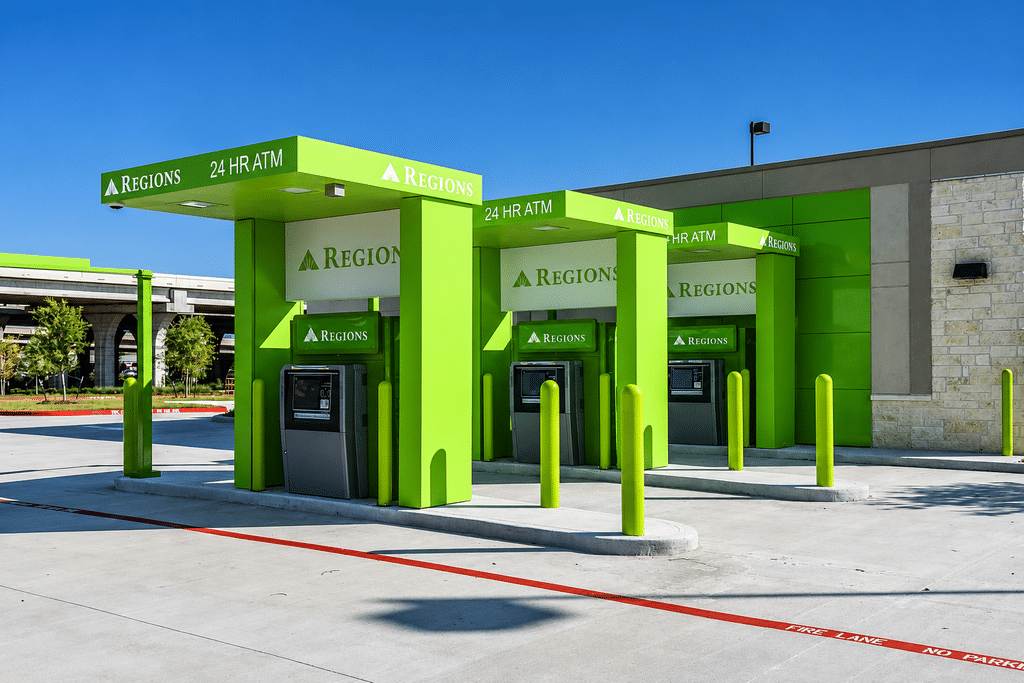
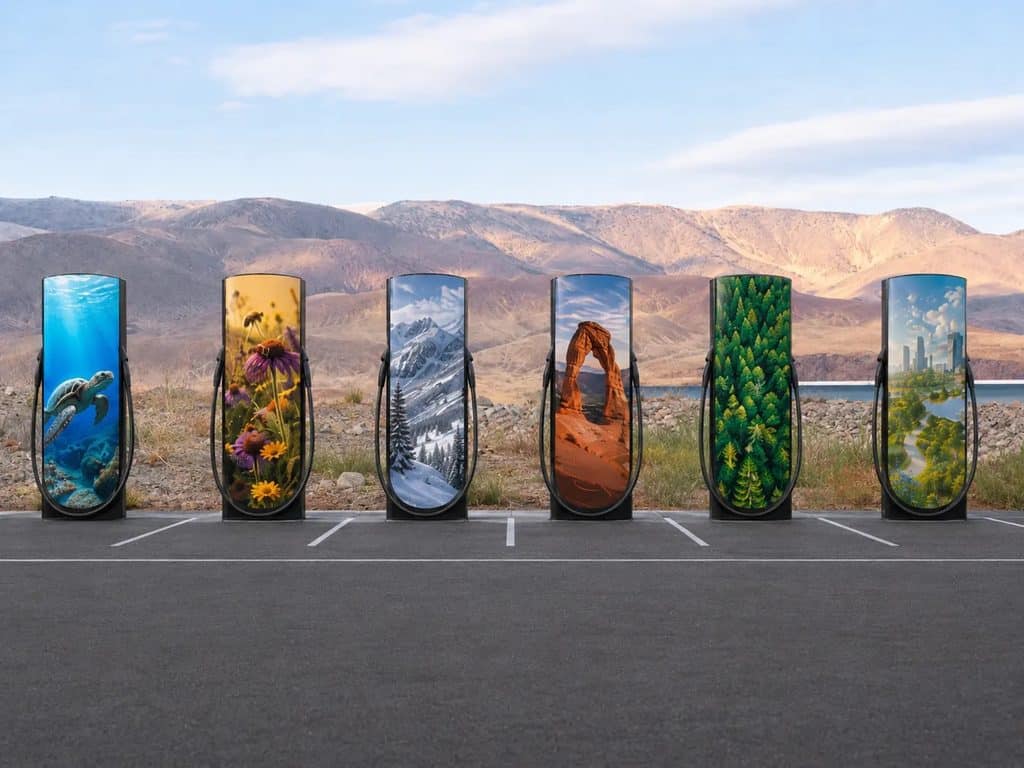
Charging networks have the same opportunity. Consistent colors, signage, lighting, and equipment presentation help customers recognize a location and connect it with previous experiences.
Research supports that connection. A study in the European Management Journal, involving 452 respondents evaluating fast-food brands, linked consistency in marketing communications with brand trust and loyalty. Although it examined hospitality rather than charging, the principle is relevant: a coherent identity helps build a customer relationship.
But appearance must be backed by performance.
McKinsey’s research across approximately 27,000 American consumers found that customers trusted banks in the top quarter for consistent customer journeys 30% more than those in the bottom quarter.
For charging operators, that means delivering understandable pricing, familiar payment steps, dependable equipment, and accessible help across the network.
Every successful visit gives the next location carrying your name a head start. Every inconsistent experience puts that trust at risk.
Feeling Safe Is Part of the Service
A charging station can be operational and still be somewhere customers would rather avoid.
After dark, an isolated location, poor lighting, or neglected surroundings can make drivers uncomfortable before they touch the charger.
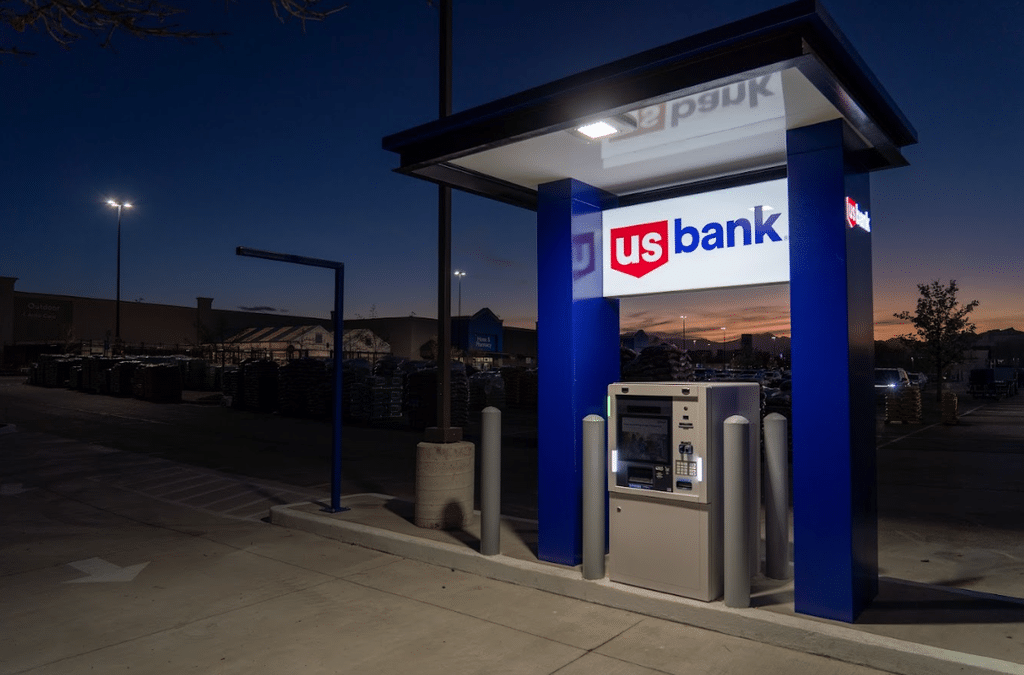
The Transportation Energy Institute’s 2024 research identified highly visible chargers, bright lighting, and visible security cameras among drivers’ most important site features. Yet only 56% of surveyed sites provided bright lighting around charging units, and 65% provided visible security cameras.
Geotab’s research found that 43% of U.S. women surveyed had safety concerns about EV charging stations. Approximately 40% said accessible, well-lit stations in less remote areas would influence their EV purchase decision. These are stated attitudes, but they show how much the charging environment matters.
Good lighting helps customers see the equipment and their surroundings. Clear sightlines, nearby activity, and functioning security measures also deserve attention.
Evaluate the entire visit after dark, including the walk to a restroom or convenience store.
Would you feel comfortable having someone you love stop there alone?
That question belongs in the design review.
The Site Communicates How Much You Care
Customers cannot inspect your maintenance program. They can see overflowing trash, broken lights, damaged signs, tangled cables, and snow blocking access.
Those details communicate whether someone is paying attention. A clean, maintained site gives customers visible reasons to believe you take their experience seriously.
That requires an operating budget as well as a construction budget. Responsibility for cleaning, inspections, repairs, snow removal, and equipment failures should be established before opening day.
Site layout matters, too. Drivers should understand where to enter, where to wait, how to reach a compatible charger, and how to leave. Accessible routes and usable equipment belong in the original design.
Shade and shelter can make plugging in and paying more comfortable in sun, rain, or snow.
The Department of Energy’s site-design guidance identifies lighting, accessible layouts, and vehicle staging as important considerations. It also notes that successful design can improve the chances customers will frequent a station and the investment will be recovered.
These details belong in the business case from the beginning.
Downtime Can Cost More Than a Transaction
As ATM networks became more saturated and mature, uptime became increasingly important to customer retention. An out-of-service machine gave customers a reason to try another location. If that alternative worked reliably, the original operator risked losing their return visits.
Charging operators face the same pressure. Customers may tolerate inconvenience when alternatives are scarce. As choices expand, a failed session can send them to a competitor—and give them a reason to stay there.
You only get one chance to make a first impression. If the charger doesn’t work, you may never get a second visit.
The damage can extend beyond one location. Customers may not know whether a failure originated with the charger, payment system, communications provider, or site operator.
They remember the name on the sign.
One disappointing experience can diminish confidence in every station carrying that brand. The same identity that spreads trust across a network can also spread doubt.
There is encouraging progress. J.D. Power’s 2026 public charging study reported that unsuccessful charging visits fell to 12% in the most recent quarter, the lowest level recorded in the study. That measures visits where drivers could not charge for various reasons, rather than equipment downtime alone.
That distinction matters. A charger reporting itself as “online” means little to a customer who cannot complete payment or start charging.
Measure the outcome customers experience—and how quickly you resolve failures.
Use the Customer’s Time Well
Banks learned another lesson as ATMs evolved: during a transaction, they had the customer’s attention.
Color screens and dynamic graphics turned the ATM into an opportunity to introduce products, promote services, and reinforce the bank’s identity. Fuel retailers brought a similar approach to the pump. Today, both ATM marketing systems and fuel-pump media networks support promotions during the customer’s visit.
EV charging offers a potentially longer window to communicate.
Network memberships, customer benefits, affiliated partners’ products, nearby restaurants, and local services can all be relevant to someone spending time at your location.
That makes charging sites a natural application for digital displays such as Sterling ATM’s LightWave products—helping operators reinforce their brand and connect customers with useful offers.
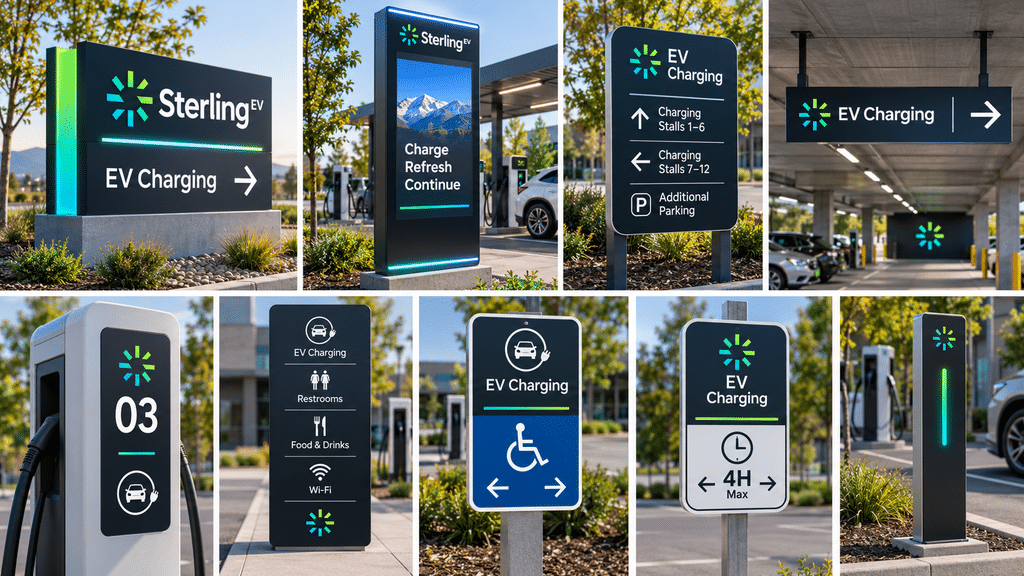
But time on site does not guarantee attention. Displays need thoughtful placement, readable messages, and content worth noticing.
And digital requires an ongoing commitment.
Keep content fresh. Remove expired offers. Monitor the displays. Repair failures promptly. Assign someone responsibility and fund the work.
A blank screen can undermine the confidence the rest of the site is trying to build. Customers may wonder: If they aren’t maintaining this, what else aren’t they maintaining?
The display may operate independently of the charger. Customers still see one location and one brand.
A working display can promote your business. A dead display can advertise neglect.
Build for the Customer Who Has a Choice
Infrastructure is expensive. The pressure to control deployment costs is real.
But overlooking the customer experience can leave you with an energized site that struggles to earn preference.
ATM networks offer a useful lesson: recognizable identity, dependable service, and customer confidence belong together. EV charging operators can apply that lesson while their networks are still taking shape.
At Sterling, we’re bringing more than 30 years of experience helping banks attract and retain ATM users to EV charging. From branding and site environments to LightWave digital displays, our goal is to help operators create recognizable locations that build confidence and encourage repeat visits.
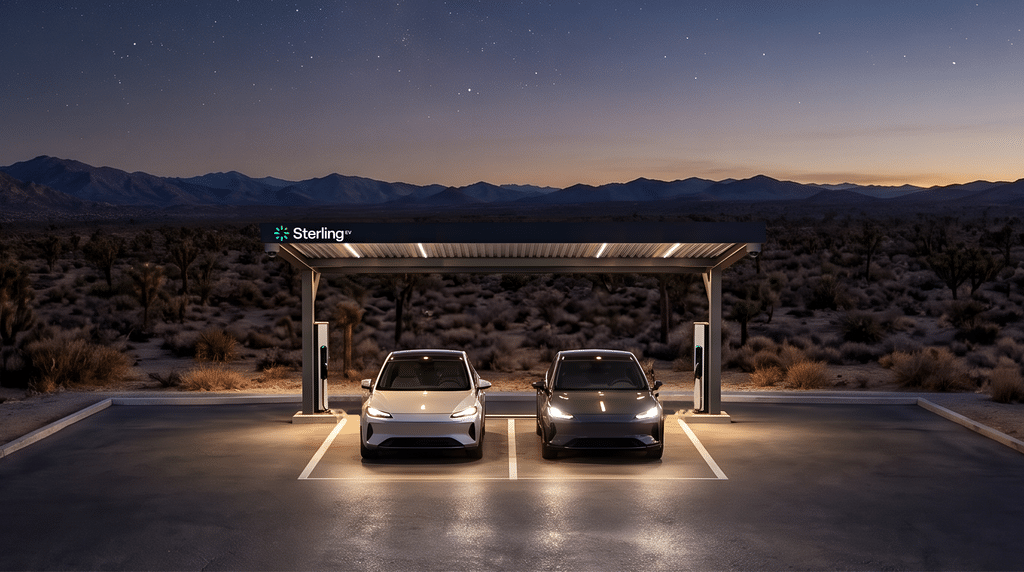
Visit your sites as a customer would. Arrive after dark. Try the payment process. Walk the property. Check the lighting, cleanliness, signs, and displays.
Then visit another location carrying your name.
Does it deliver the same promise?
Because as your network matures, one question becomes increasingly important:
When customers have another option, what have you done to make them choose you again?
About the author
Mark Harling is the founder and CEO of Sterling ATM. For more than 30 years, he has helped banks attract and retain ATM users through thoughtful design, recognizable branding, and consistent customer environments. Sterling now applies that same know-how to help EV charging networks attract users, build trust, and earn repeat visits.
Find Sterling EV
Website: https://sterlingev.com
LinkedIn: https://www.linkedin.com/company/sterling-ev
YouTube: https://www.youtube.com/@EVSterling
Contact us
Email: coleb@sterlingev.com