Lightyear, Hyundai Pilot Vehicle Adds Average U.S. 10.7 Solar-Powered Miles of Range Per Day
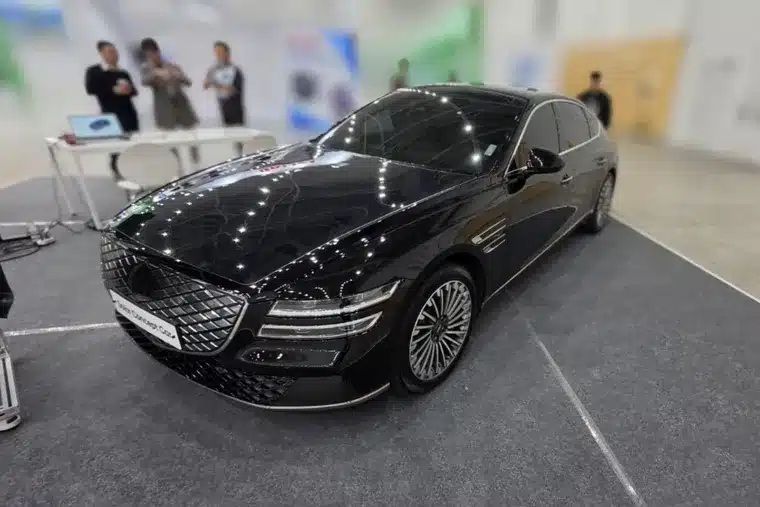
Lightyear and Hyundai Motor Group jointly developed a solar pilot vehicle based on the Genesis G80, integrating 1,024 watts of vehicle-integrated photovoltaic (VIPV) technology across multiple exterior surfaces. The September 21, 2026, announcement detailed how the collaboration combined Hyundai’s vehicle platform and engineering expertise with Lightyear’s solar technology.
The solar system integrates photovoltaic panels into the hood, roof, rear glass, doors, and trunk lid. The development process included adapting the technology to different vehicle surfaces, replacing conventional glass with a polymer-based solution, and developing a seven-channel solar controller. Engineers progressed from initial integration concepts and component studies to full-size prototypes and physical integration trials.
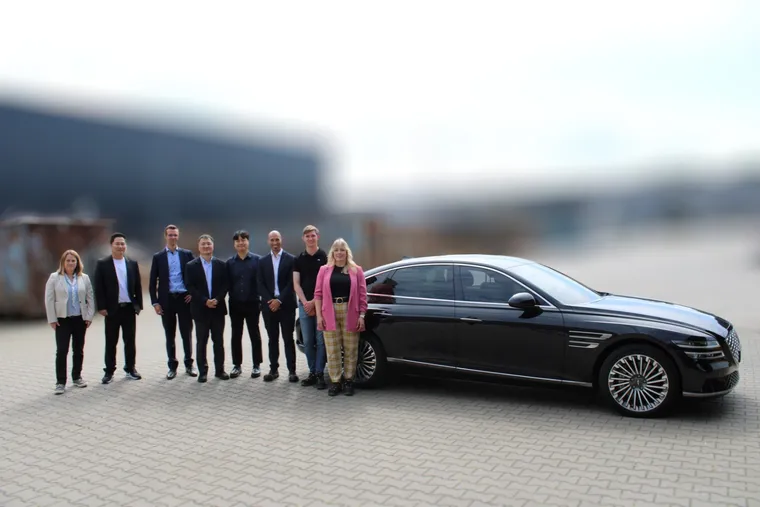
Real-world driving data and solar yield simulations indicated average daily electricity generation of 2.7 kWh, equivalent to approximately 17.3 kilometers (10.7 miles) of additional driving range per day under U.S. conditions. Annual additional range could reach 6,337 kilometers (3,937 miles), with a potential reduction of up to 24% in vehicle operational CO₂ emissions.
The project compared the all-electric Genesis G80 Solar Concept (RG3 EV) with the Hyundai Sonata Hybrid (DN8). The hybrid’s 205-watt solar system generated approximately 0.5 kWh daily, providing 3.5 kilometers of additional driving range. The Genesis concept’s 1,024-watt system generated 2.7 kWh daily and provided an estimated 17.3 kilometers of additional range.
The technical evaluation included instrumentation setup, shading-factor analysis accounting for vehicle structures, neighboring vehicles, tunnels, and terrain, and electricity generation measurements under real-world driving and parking conditions.
The Genesis G80 Solar Concept was presented at the 9th World Conference on Photovoltaic Energy Conversion (WCPEC-9), held in South Korea November 15-20, 2026. The collaboration demonstrates how integrating solar technology across multiple vehicle surfaces could provide an additional electricity source, extend EV driving range, and improve transportation efficiency.
EVinfo.net’s Take: Solar Technology Breakthroughs Could Bring Solar-Powered EVs Closer to Reality
Advances in solar technology could make solar-powered electric vehicles (EVs) increasingly practical, potentially reducing charging needs and extending driving range. Improvements in solar cell efficiency, lightweight materials and flexible photovoltaic panels are opening new possibilities for integrating solar generation directly into vehicle roofs, hoods and body panels.
Next-generation perovskite solar cells, tandem solar cells and other advanced photovoltaic technologies offer the potential to capture more sunlight from smaller surface areas. Researchers are working to improve efficiency, durability and manufacturing costs, addressing several obstacles that previously limited automotive solar applications.
Automakers and startups are also exploring vehicle-integrated photovoltaics that convert sunlight into electricity while a vehicle is parked or driving. Although the relatively small surface area of passenger vehicles limits how much energy onboard solar panels can generate, more efficient cells could provide meaningful supplemental power, reduce grid-charging frequency and add daily driving range.
Solar technology could be particularly valuable for drivers in sunny regions, fleet operators and vehicles that spend extended periods outdoors. Combining onboard solar generation with larger batteries, efficient electric drivetrains and home solar installations could further reduce dependence on conventional charging infrastructure.
Fully solar-powered EVs capable of meeting all driving needs remain a difficult engineering challenge. However, continuing breakthroughs in photovoltaic efficiency, materials and vehicle integration could make solar-assisted EVs increasingly attractive and bring the vision of cars that generate some of their own electricity closer to reality. One example is Aptera, building hyper-efficient solar electric vehicles that get meaningful range from sunshine alone.

Electric Vehicle Marketing Consultant, Writer and Editor. Publisher EVinfo.net.
Services