CA Launches a New $1 Billion Rebate Program for Electric Medium- and Heavy-duty Trucks
On May 13, 2026, California Governor Gavin Newsom announced that applications are now open for the California Clean Fuel Reward (CCFR) rebate program for electric medium- and heavy-duty trucks, expanding statewide incentives aimed at accelerating the deployment of zero-emission commercial vehicles.
Funded through California’s Low Carbon Fuel Standard (LCFS) program, the CCFR initiative is expected to become the nation’s largest utility-administered rebate program for electric trucks. The state plans to make $250 million available this year, with more than $1 billion in total funding projected through 2030.
Beginning June 26, public and private fleets across California will be able to access rebates through authorized retailers. Incentives ranging from $7,500 to $120,000 can be applied toward the purchase of new electric commercial vehicles, including drayage trucks, electric semis, box trucks, delivery vans, and other medium- and heavy-duty fleet vehicles.
The program is designed to help fleets transition away from diesel-powered trucks, which remain among the largest contributors to air pollution in communities located near ports, warehouses, and freight corridors. State officials say the initiative will help improve air quality while supporting California’s leadership in the growing global electric freight market, where heavy-duty electric truck sales tripled worldwide in 2025.
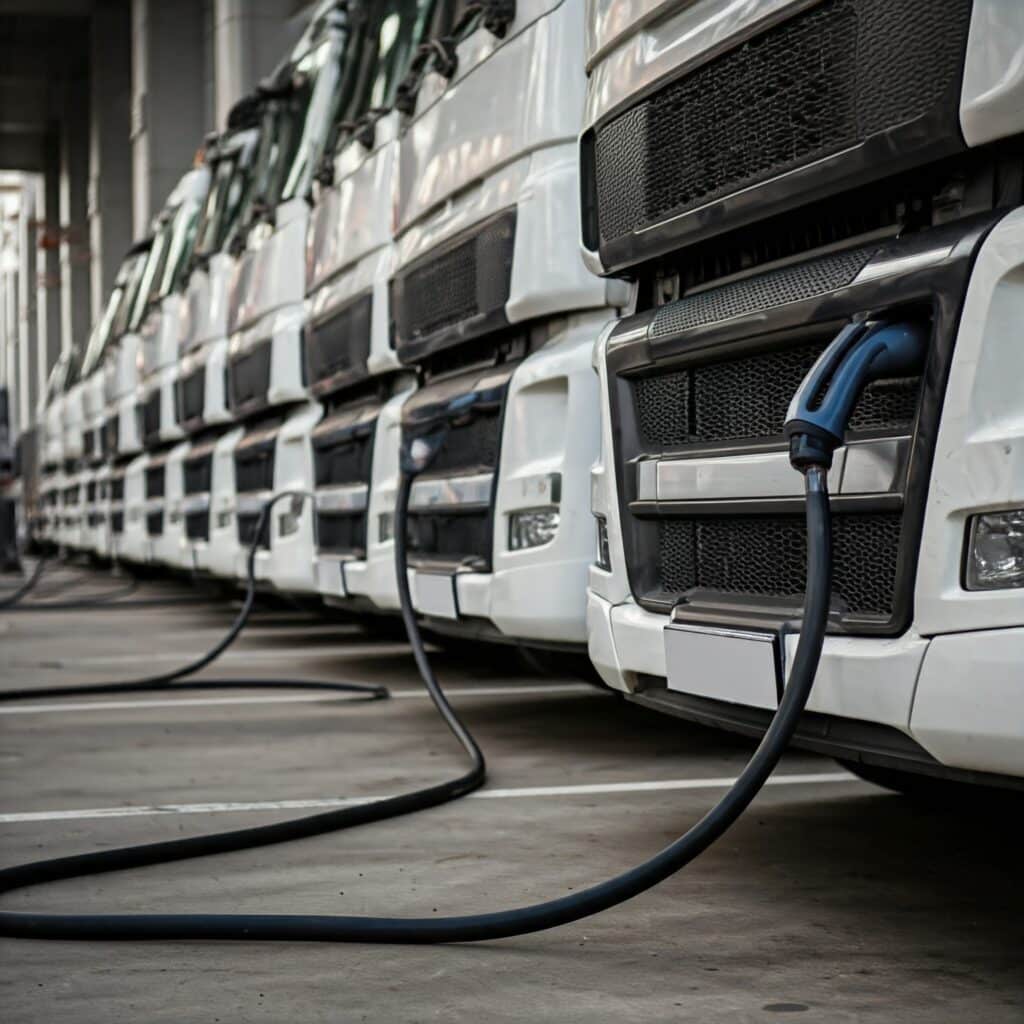
The new rebate effort builds on California’s existing clean transportation programs, including the state’s Clean Truck and Bus Voucher Incentive Project (HVIP). That initiative has already distributed more than $1 billion in funding to over 2,000 fleets statewide, supporting the deployment of approximately 11,600 clean commercial vehicles and generating more than 181 million clean-driving miles across California.
HVIP funding has supported a broad range of vehicle categories, including electric trucks, school buses, transit buses, shuttle buses, and hydrogen-powered vehicles, with targeted incentives aimed at small fleets and owner-operators.
California’s zero-emission commercial vehicle market continues to grow rapidly. In 2024, zero-emission vehicles accounted for nearly 23% of all new medium- and heavy-duty vehicle sales in the state, more than double California’s official target and the highest ZEV sales total recorded to date.
State leaders are also continuing to invest heavily in EV charging infrastructure to support both passenger and commercial vehicle electrification. Earlier this year, California surpassed 2.5 million cumulative zero-emission vehicle sales, reinforcing the state’s position as the nation’s largest EV market.
Governor Newsom’s January budget proposal included plans for a nearly $500 million state incentive package designed to offset the loss of the federal EV tax credit and accelerate ZEV adoption. The proposal also seeks to strengthen domestic clean transportation manufacturing and reduce dependence on foreign supply chains, particularly China.
California officials criticized recent federal policy changes under the current federal administration, including the rollback of portions of the Inflation Reduction Act and Bipartisan Infrastructure Law, arguing that reduced federal support could slow America’s competitiveness in the global clean transportation economy.
At the same time, the California Energy Commission (CEC) continues to expand EV charging investments statewide. The agency recently allocated $98.5 million for light-duty EV infrastructure projects during the 2025–2026 fiscal year, with a focus on Level 1 and Level 2 charging at multifamily housing, workplaces, and long-duration parking locations.
The CEC is also preparing several new assessments and funding opportunities expected later this year, including updated statewide EV infrastructure demand studies and additional investments tied to California’s Clean Transportation Program.
California now has more than 200,000 public and shared EV charging stations statewide, in addition to an estimated 800,000 residential chargers installed in homes. Public charging infrastructure can increasingly be found at grocery stores, apartment complexes, workplaces, gas stations, park-and-ride facilities, and other community locations as the state continues expanding access to electric transportation.

Electric Vehicle Marketing Consultant, Writer and Editor. Publisher EVinfo.net.
Services