First Cohort of Scout Motors Production Associates Complete Automotive Training Program
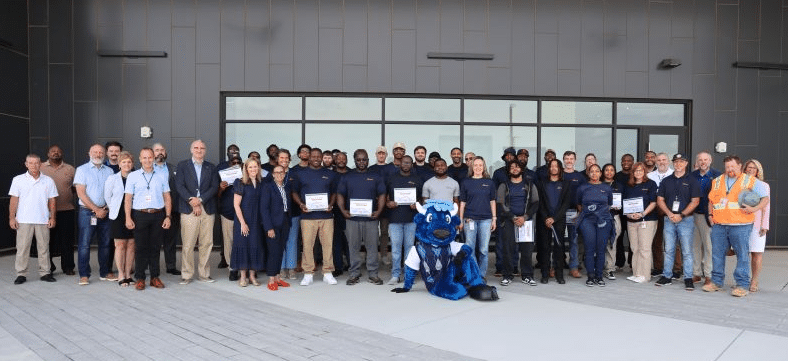
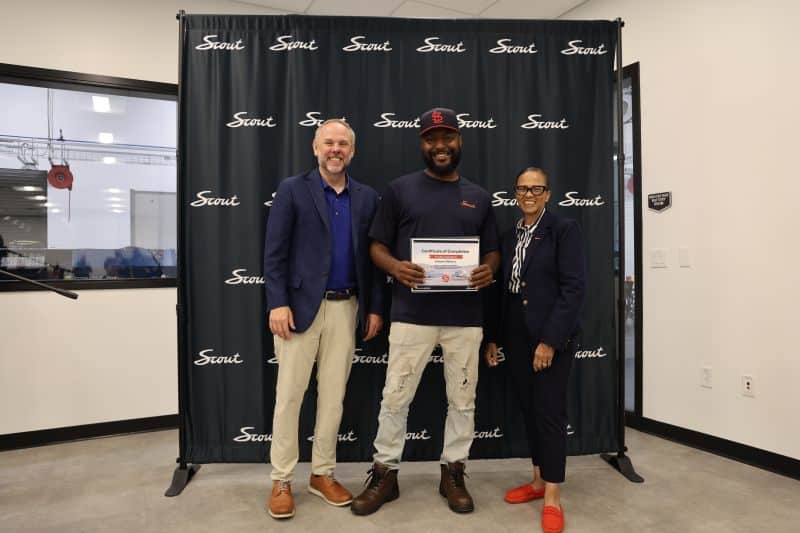
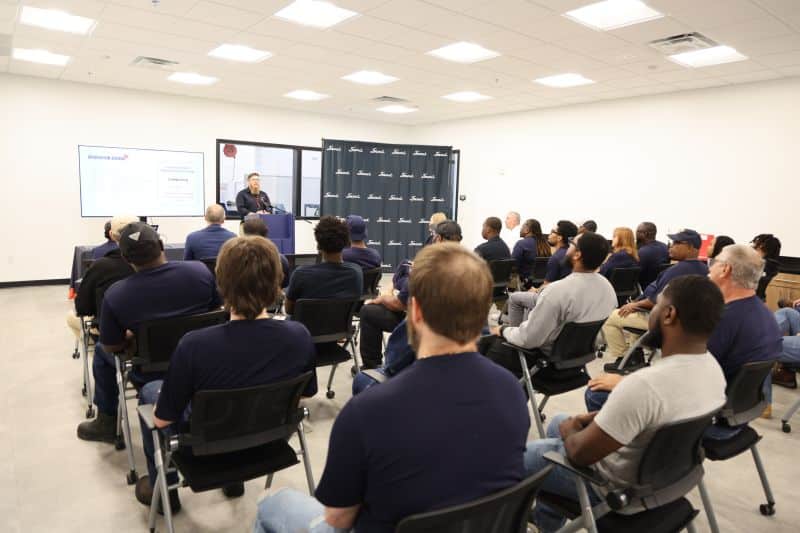
Scout Motors Inc. recently congratulated the inaugural group of Scout Motors Production Associates for successfully completing the company’s automotive training program. The 15 week initiative was made possible through the commitment of Assembly and Pilot Hall leadership teams, along with key partnerships with Midlands Technical College and the South Carolina Technical College System.
Throughout the program, participants developed essential skills, gained valuable industry knowledge, and received hands on experience that will help prepare them to build future Scout vehicles in South Carolina. Their dedication and hard work have equipped them with the tools needed to begin long term careers in automotive manufacturing.
Scout Motors emphasized that great vehicles are built through craftsmanship and the people who bring their expertise and commitment to work every day. With this first cohort now fully trained, the company has taken another important step toward building a skilled workforce that will support production operations for years to come.
How Scout Motors Is Building the Future of Electric Vehicles in America
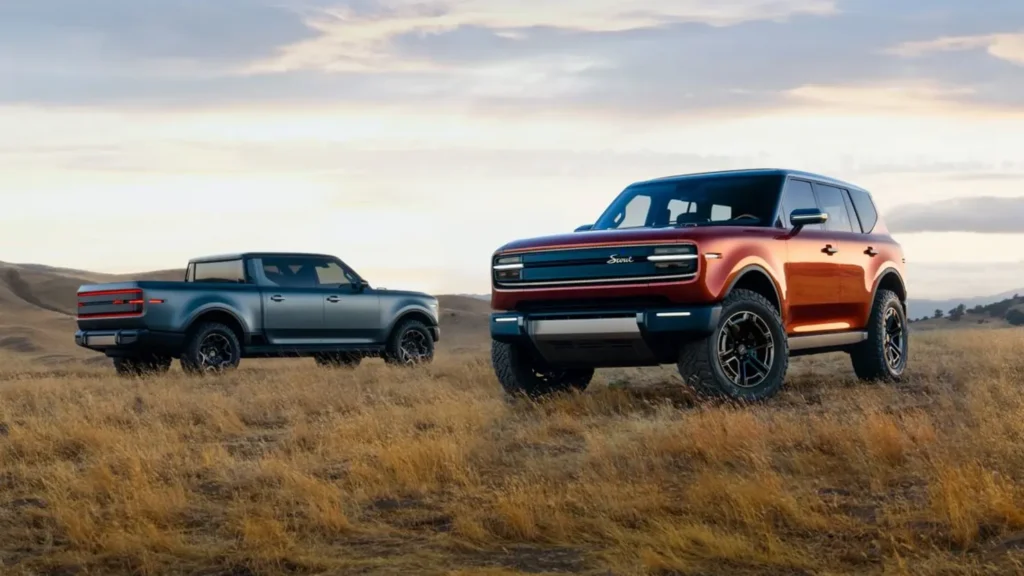
As the electric vehicle market continues to evolve, Scout Motors is taking a unique approach by combining American heritage, modern technology, and workforce development to create a new generation of electric trucks and SUVs. Rather than simply introducing another EV brand, Scout Motors is rebuilding an iconic nameplate while establishing a manufacturing ecosystem designed to support long term growth in the United States.
Originally introduced by International Harvester in the 1960s, the Scout became known for its rugged capability and off road performance. Today, Scout Motors, backed by Volkswagen Group, is bringing the brand back with an entirely new vision centered around electrification.
The company plans to produce vehicles specifically designed for consumers who value utility, adventure, and versatility. Unlike many modern crossovers that prioritize urban commuting, Scout vehicles are being engineered with outdoor lifestyles and off road capability in mind.
Scout Motors is building Extended-Range Electric Vehicles (EREVs). In fact, due to overwhelming customer demand, with nearly 85-87% of pre-orders opting for the EREV variant, Scout is prioritizing the production of these models first. Scout will also build fully battery-electric vehicle (BEV) versions, which will offer about 350 miles of range.
Why Training Programs for Electric Vehicles Are Essential to the Future of Transportation
As electric vehicle adoption continues to accelerate around the world, one challenge is becoming increasingly clear: the industry needs a skilled workforce capable of supporting this rapid transition. While much of the conversation surrounding EVs focuses on battery technology, charging infrastructure, and vehicle innovation, people remain the most important component of the equation. Without properly trained workers, the growth of the electric vehicle industry could face significant obstacles.
EV training programs are becoming essential because electric vehicles are fundamentally different from traditional gasoline powered vehicles. Manufacturing, servicing, repairing, and maintaining EVs require specialized knowledge that many workers have not previously needed. High voltage battery systems, advanced software, electric drivetrains, thermal management systems, and charging technologies all demand new skill sets.
Automakers, technical colleges, and workforce development organizations are increasingly investing in training programs to prepare employees for these changes. These programs provide hands on experience that allows workers to safely handle high voltage components and understand the sophisticated technologies that power modern electric vehicles.
Safety is one of the biggest reasons these training programs are so important. Electric vehicles contain battery packs that operate at hundreds of volts, creating risks that require strict procedures and specialized equipment. Proper training helps workers identify hazards, follow safety protocols, and confidently perform their jobs while minimizing risks.
Training programs also create new career opportunities. The EV industry is generating demand for battery technicians, charging infrastructure installers, software specialists, manufacturing associates, fleet managers, and service technicians. These positions often provide long term career paths with competitive salaries as employers seek qualified talent.
Beyond vehicle production, EV training is critical for expanding charging infrastructure. Thousands of electricians, engineers, and technicians will be needed to install, maintain, and upgrade charging stations across residential, commercial, and public locations. As more businesses electrify their fleets, the need for skilled professionals will continue to grow.
Training initiatives also help communities remain economically competitive. States and regions that invest in workforce development are better positioned to attract new manufacturing facilities, battery plants, and technology companies. A strong talent pipeline gives companies confidence that they can expand operations and hire local workers rather than relying on talent from other regions.
Educational institutions are playing an increasingly important role in this transition. Partnerships between automakers, community colleges, universities, and technical schools provide students with access to real world equipment and industry specific certifications. These collaborations help shorten the gap between education and employment while ensuring graduates are prepared to enter the workforce immediately.
The transition to electric transportation is about much more than replacing gasoline engines with batteries. It represents a transformation of the entire automotive ecosystem. Vehicles are becoming more connected, software driven, and technologically advanced every year. Workers will need continuous education to keep pace with these changes.
EVs and renewable energy are not just lowering costs for users and benefiting the environment, but are creating tremendous job opportunities and economic growth for communities as well.
Drive Electric South Carolina Launches
Rick Campana of the SC Energy Office announced exciting news.
Campana said: “The SC Energy Office is excited to launch Drive Electric South Carolina, a new statewide education campaign to help residents understand how EVs work in everyday driving.”
Check out the campaign at https://driveelectricsc.com.

Electric Vehicle Marketing Consultant, Writer and Editor. Publisher EVinfo.net.
Services