New IEA Report Says Quarterly Sales of EVs Broke Records in Key Global Markets Due to Iran War
New analysis from the International Energy Agency (IEA) shows that electric vehicle sales rebounded strongly during the second quarter of 2026, with robust growth across Europe, Australia, Korea, Latin America, Southeast Asia, and other regions helping offset weaker demand in China and the United States.
The findings are detailed in the IEA’s July 30, 2026 report, Electric Car Markets in a Time of Uncertainty, which expands on the analysis presented in the agency’s Global EV Outlook 2026 released in May. The report examines global automotive market performance during the first half of 2026 against a backdrop of economic uncertainty, shifting policy environments, and renewed fuel price volatility linked to the energy crisis following the conflict in the Middle East.
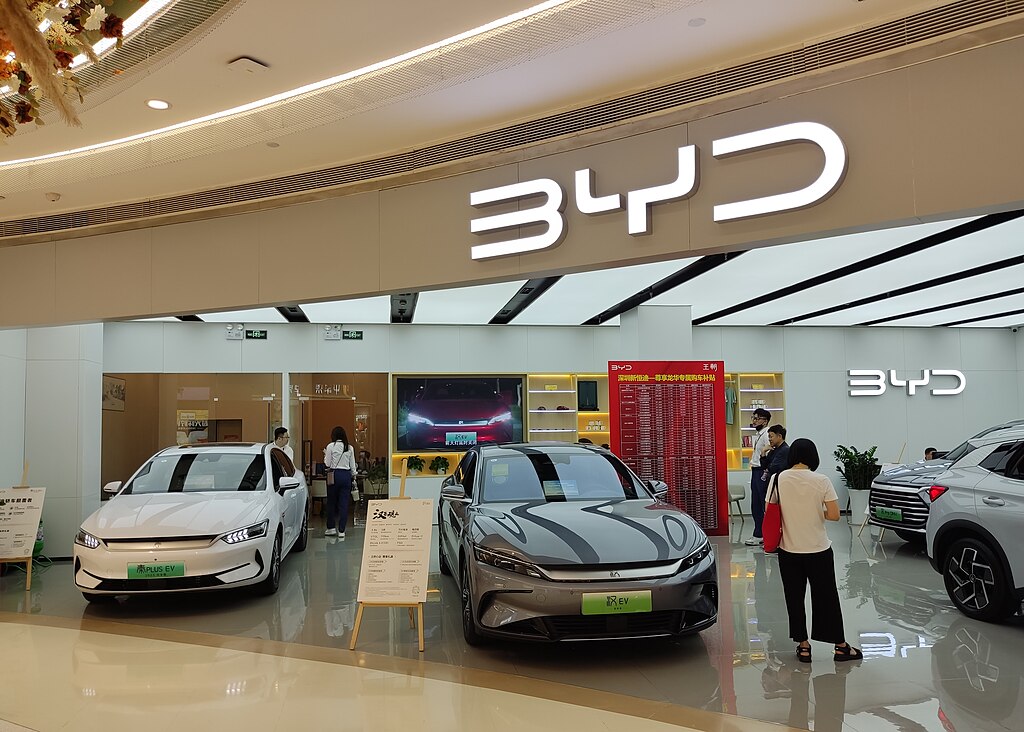
According to the report, global vehicle sales declined by approximately 5% year-over-year between January and June as the world’s two largest automotive markets, China and the United States, experienced falling demand amid economic pressures, higher fuel costs, and policy changes.
Electric vehicle sales also declined during the first quarter, primarily due to weaker performance in those two key markets. However, the second quarter marked a significant turnaround. Global EV sales increased 35% compared with the first quarter, reaching record quarterly levels in 50 countries.
Several emerging and developing EV markets posted particularly strong gains. Sales in Australia, Brazil, India, Korea, and Vietnam roughly doubled compared with the same period in 2025. Overall, more than 90 countries recorded year-over-year growth in electric vehicle sales during the first six months of 2026.
As a result of stronger-than-expected demand and supportive policies across Europe, Latin America, and Southeast Asia, the IEA now expects electric vehicles to account for 29% of all global vehicle sales in 2026. That figure is one percentage point higher than the forecast published earlier this year in the Global EV Outlook 2026.
The report notes that road transportation accounts for nearly half of global oil consumption, making the sector particularly vulnerable to fuel price fluctuations and supply disruptions. Many regions also remain heavily dependent on oil imports from the Middle East. Against this backdrop, policymakers and automakers are increasingly viewing electric vehicles as a strategy for improving energy security while reducing exposure to volatile fuel markets.
China remains a critical factor in the global EV outlook. For the first time this decade, electric vehicle sales in China are expected to remain essentially flat compared with the previous year. Despite that slowdown, more than 60% of all new vehicle sales in China are still projected to be electric in 2026, setting a new record.
The report also highlights China’s growing role as an exporter of electric vehicles. During the first half of 2026, Chinese EV exports nearly matched the country’s total export volume for all of 2025. The IEA estimates that only about two-thirds of those exported vehicles have already been sold, leaving more than one million vehicles available for purchase in international markets when combined with unsold inventory from previous months.
The continued expansion of Chinese automakers is expected to intensify competition throughout the global automotive industry. The report points to rapidly increasing imports of Chinese EVs into emerging markets, where affordability and product availability are driving adoption. As China and other emerging economies are projected to account for roughly 60% of global vehicle demand over the next decade, success in these markets is expected to play a major role in determining future automotive industry leadership.

Electric Vehicle Marketing Consultant, Writer and Editor. Publisher EVinfo.net.
Services