Veo Launched North America’s Only Shared Electric Trike, Increasing Accessibility Options
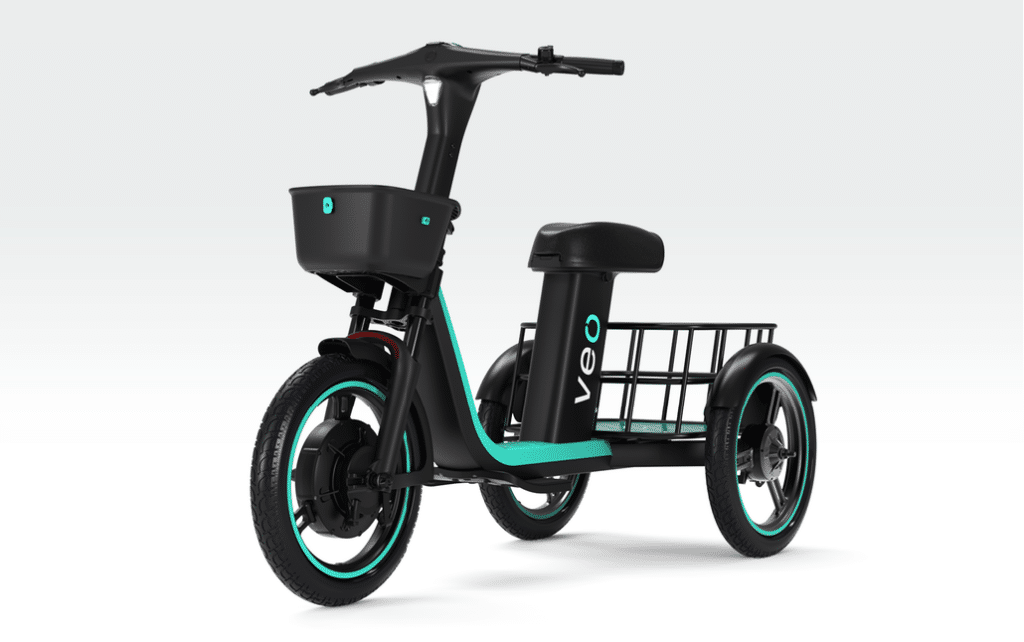
Veo announced the launch of Rover, North America’s first shared electric trike, expanding the company’s accessibility-focused micromobility fleet. The new vehicle is making its debut in Denver and is designed to provide a more stable, comfortable, and practical transportation option for a broader range of riders.
Created in collaboration with disability advocates, older adults, and community organizations, Rover is intended to improve access to shared transportation for individuals who may not feel comfortable using traditional scooters or bicycles. As cities continue seeking more inclusive mobility solutions, Veo has expanded its vehicle lineup through in-house design and manufacturing, allowing the company to quickly incorporate community feedback into new products.
“The future of micromobility is about giving more people the confidence to ride,” said Candice Xie, co-founder and CEO of Veo. “For years, we’ve worked to open up micromobility to new riders—from pioneering seated scooters to developing our first electric trike alongside disability advocates and older adults. Rover is our most community-informed vehicle to date, shaped in partnership with the people it was built to serve.”
Designed With Community Input
Since early 2024, Veo has worked with hundreds of riders and more than 20 organizations, including the Disability Mobility Initiative, Parkinson’s Foundation, New Disabled South, and Capitol Hill Village, to help shape Rover’s development. Additional insights came from Veo’s 2025 annual rider survey, which found that 24 percent of respondents identified as having a disability.
That feedback directly influenced Rover’s design, including its low riding position, cushioned seat, and expanded cargo capacity. The vehicle was developed to address the needs of riders who have historically been underserved by shared micromobility programs.
Rover features a three-wheel design for improved stability, throttle assist to reduce physical effort, and front and rear cargo baskets capable of carrying up to 100 pounds of groceries, luggage, or mobility aids. The seated design accommodates riders of varying ages and abilities, while the top speed is limited to 10 mph for neighborhood travel.
Denver Debut
Denver becomes the first city to offer Rover as part of a shared fleet. Riders can now choose from five Veo vehicle types, including the Cosmo seated scooter, Apollo Cargo e-bike, Apollo Duo two-seater e-bike, Astro standing scooter, and the new Rover trike.
With approximately 9,000 vehicles in operation, Denver hosts one of North America’s largest and most diverse shared micromobility programs. The initial deployment includes 50 Rover trikes operating in downtown Denver. Veo plans to monitor rider feedback and operational performance before considering a broader rollout across the city.
“Denver is committed to building a transportation system that works for everyone,” said Amy Ford, Executive Director of the Denver Department of Transportation and Infrastructure. “The addition of the trike expands mobility options for riders who may not have felt comfortable using traditional bikes or scooters. We’re proud to partner with Veo to continue making shared transportation more accessible, inclusive, and useful for everyday transportation.”
Veo Operates in More Than Sixty Cities
Veo is a leading North American shared micromobility provider focused on reducing car dependency through accessible and sustainable transportation. The company operates in more than 60 cities and university communities, providing millions of bike and scooter rides each year.
By designing and manufacturing its vehicles in-house, Veo has built one of the industry’s most diverse fleets, expanding transportation options for riders with different needs and trip purposes. Veo is also among the few EBIT-profitable companies in the shared micromobility sector, supporting long-term partnerships with cities and sustainable growth.
The company has been recognized by Fast Company as one of the World’s Most Innovative Companies and by TIME as a Top GreenTech Company. Veo continues to work with cities to advance safe, equitable, and environmentally responsible transportation solutions.
EVinfo.net’s Take: Why Shared Electric Micromobility Saves Money and the Environment
Shared electric micromobility, including e-bikes, scooters, and electric trikes, is becoming an increasingly important part of urban transportation. These vehicles offer a practical alternative to car trips, helping riders save money while reducing environmental impact.
For consumers, the savings can be significant. Short trips that would otherwise require fuel, parking fees, vehicle maintenance, or rideshare costs can often be completed for just a few dollars on a shared e-bike or scooter. Riders gain access to convenient transportation without the expense of owning a vehicle.
Cities also benefit. Shared micromobility reduces traffic congestion, lowers demand for parking infrastructure, and helps maximize the use of existing transportation networks. Fewer cars on the road can translate into lower public infrastructure costs over time.
From an environmental perspective, electric micromobility produces far fewer emissions than traditional gasoline-powered vehicles. Replacing even a portion of short car trips with e-bikes or scooters can reduce greenhouse gas emissions, improve air quality, and decrease energy consumption. Because these vehicles are lightweight and efficient, they require significantly fewer resources to operate than passenger cars.
As communities work toward cleaner, more affordable transportation options, shared electric micromobility offers a solution that benefits riders, cities, and the environment. By making everyday travel more accessible and sustainable, these services are helping shape the future of urban mobility.

Electric Vehicle Marketing Consultant, Writer and Editor. Publisher EVinfo.net.
Services