Ford Plant Made Only Gas Cars for 70 Years, Now Converting to BEVs, Starting With Fathom
Ford said on August 13, 2026, that its Louisville Assembly Plant in Kentucky is undergoing a $2 billion retooling to prepare for production of the new low-priced Fathom all-electric truck. The massive undertaking began after the plant stopped building the gas-powered Ford Escape and Lincoln Corsair.
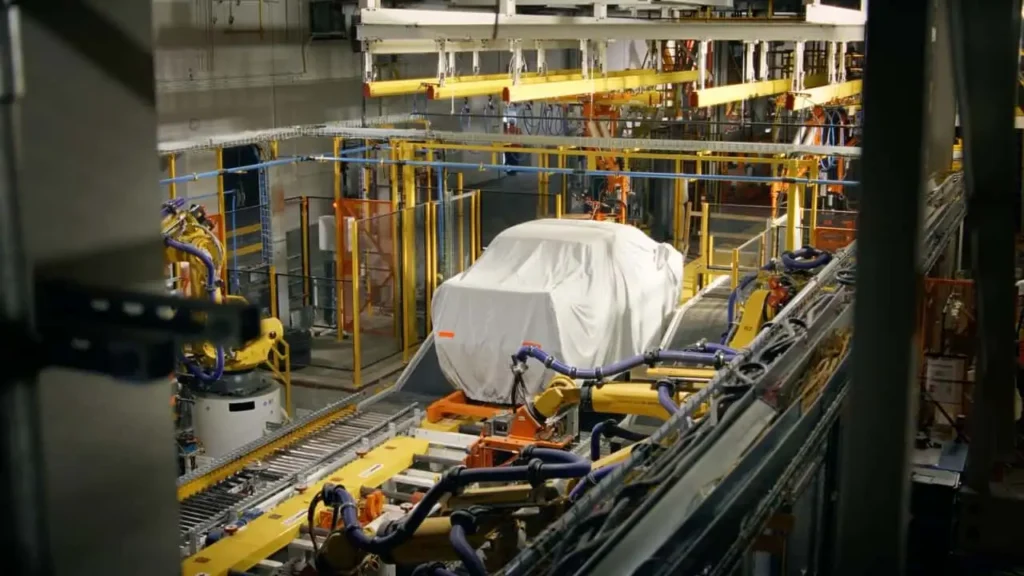
The Louisville Assembly Plant itself is more than 70 years old, which meant Ford had to remove a large amount of equipment used to build gas-powered vehicles over the decades. Over the past few months, demolition crews removed 25,000 tons of old manufacturing equipment, hauling it away in more than 2,600 truckloads for recycling. Ford then poured concrete across 230,000 square feet of floor space to prepare the plant for its radically different Universal EV Production System.
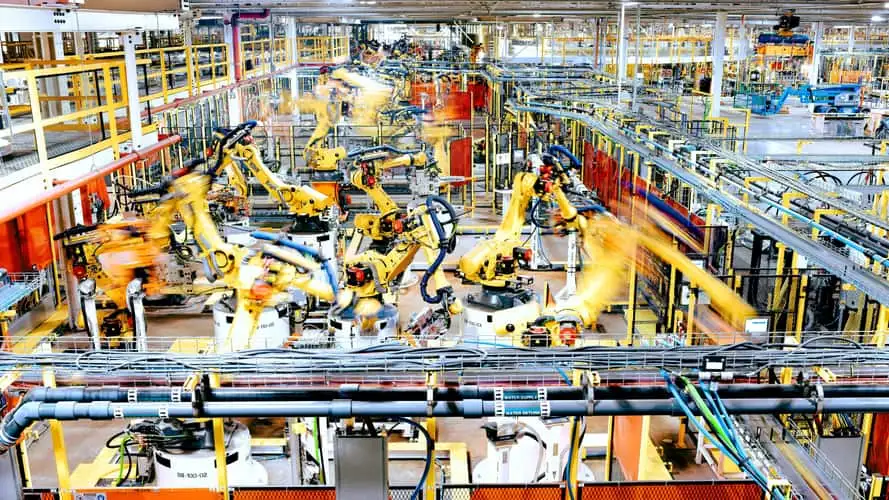
Instead of building vehicles the traditional way, with a single moving assembly line where workers and robots add components to a vehicle piece by piece, Ford is rethinking the process with what it calls an “assembly tree.”
Three major sections of the vehicle are built separately and brought together toward the end of the process using bolts and adhesives. The front and rear subassemblies are built independently, while a third section contains the structural battery, seats, consoles and carpeting.
Ford had to retrain its workers for the new process at its New Model Product Development Center in Allen Park, Michigan. The company says the system has several advantages. One of the biggest is that workers no longer have to contort themselves into awkward positions to install components inside the cabin, including the dashboard and seats. With the Universal EV Production System, the seat is bolted to the rear subassembly before the vehicle’s structure gets in the way.
The dashboard, which Ford says contains the most components, can similarly be installed with operators standing directly in front of the front subassembly. In other words, it is somewhat like assembling a car on a kitchen counter, with all the ingredients placed in front of you before putting everything together.
“We listened to all the things operators don’t like,” Bryce Currie, Ford’s chief manufacturing officer, said in a statement. “Their work at Louisville Assembly Plant will be significantly more ergonomic. It’s designed to require less twisting, turning, and bending.”
Ford expects the new system to cut net assembly time by 15%. The benefits are not limited to simpler manufacturing and fewer sore backs. Ford says the new process also makes it easier to handle software.
Previously, Ford would build the car first and then update its software. If something was wrong, fixing it could take 10 minutes per vehicle. Ford is now installing and updating software on the car’s individual computers before they are installed in the vehicle. The factory also now has very fast internet speeds, allowing workers to test and update the modules while the car is still being assembled. This can help catch problems earlier and save time.
Of course, doing things differently does not automatically make the assembly tree better than the conventional moving assembly line. Not yet, at least. The traditional system has been refined for more than a century, and Ford itself pioneered the modern moving assembly line more than 100 years ago.
Still, radical change might be exactly what Ford needs. The automaker has fallen behind in the EV race, and the Fathom could be its biggest opportunity yet to make a comeback and produce an affordable electric vehicle at scale.

Electric Vehicle Marketing Consultant, Writer and Editor. Publisher EVinfo.net.
Services