Kaluza and Hyundai Launch Global Partnership for Smart Charging and Vehicle-to-Grid Technologies
Hyundai Motor Group has selected energy intelligence company Kaluza as its global technology partner for smart electric vehicle charging and future vehicle-to-grid services.
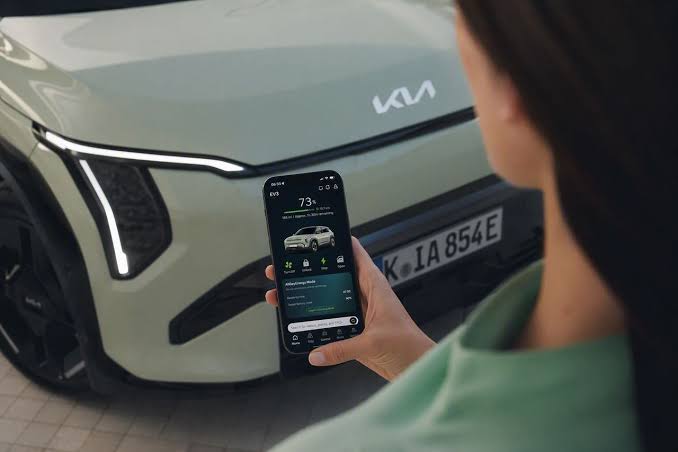
The partnership, launched in August 2026, will initially bring smart charging capabilities to Hyundai and Kia drivers in the United Kingdom, followed by Australia. Kaluza has worked with Hyundai Motor Group to integrate its technology directly into the Kia App and myHyundai App, creating a seamless way for EV owners to manage charging.
The system will allow drivers to schedule charging for times when electricity is cheaper and cleaner, helping reduce energy costs while also lowering carbon emissions. Drivers can use their smartphones to set when their vehicle needs to be ready and allow the system to optimize charging based on electricity prices and renewable energy availability.
Hyundai Motor Group says the partnership goes beyond a simple software integration. The companies are working to establish a broader standard for how EVs interact with the energy system.
The technology also creates a foundation for vehicle-to-grid (V2G) services planned to begin in 2027. Kaluza says its technology can help automakers strengthen customer relationships and develop recurring energy-related revenue while turning EV owners into active participants in a smarter, cleaner electricity grid.
EVinfo.net’s Take: Will Kaluza and Hyundai Bring Their V2G Partnership to the U.S.?
Vehicle-to-grid (V2G) technology offers major benefits by allowing EVs to send electricity back to the grid when demand is high, potentially lowering energy costs for drivers while helping utilities manage peak demand and integrate more renewable energy. Vehicle-to-home (V2L) is typically paired with V2G, proving emergency home power during blackouts.
Kaluza and Hyundai are advancing V2G commercialization in Europe, raising an important question: will the partnership eventually bring the technology to the United States?
The U.S. has numerous V2G pilot programs underway, including projects involving automakers, utilities, fleets and school buses, but the country remains well behind Europe, where V2G is moving beyond pilot projects and into mass commercialization. Europe’s more mature energy markets, supportive policies and growing availability of bidirectional charging are helping accelerate adoption.
Bringing Kaluza and Hyundai’s V2G capabilities to the U.S. could help move American V2G from demonstrations toward a commercially scalable model. Millions of EVs could eventually become distributed energy resources, creating a massive network of mobile batteries that can support the grid while giving EV owners another potential financial benefit from vehicle ownership.
The technology is already proving its potential. The bigger question for the U.S. is when automakers, utilities and regulators will create the market conditions needed to make V2G commercially attractive at scale.

Electric Vehicle Marketing Consultant, Writer and Editor. Publisher EVinfo.net.
Services