U.S. Diesel Prices Hit Record $5.85, Strengthening Economic Case for Fleet Electrification
KCRA 3 News reported that U.S. diesel prices reached a record $5.85 per gallon on Friday, September 4, 2026, as the six-month war with Iran continues to disrupt global fuel supplies. The surge is creating another financial challenge for businesses that depend on diesel-powered trucks, equipment and transportation networks while increasing the cost of moving goods throughout the economy.
Diesel is critical to freight and delivery networks, so higher fuel prices translate directly into higher transportation costs. Companies can absorb some of those increases initially, but prolonged elevated prices can eventually lead to higher freight rates, fuel surcharges and consumer prices.
The grocery industry is particularly exposed. Produce, meat and other perishable foods must be transported frequently, while diesel is also used to operate agricultural equipment. Transportation costs are also embedded in the prices of clothing, furniture, cosmetics and other everyday products moved by trucks, trains and ships.

What Is Driving Diesel Prices Higher?
Before the United States and Israel launched their war against Iran in late February 2026, the national average diesel price was approximately $3.76 per gallon, according to AAA. Prices rose sharply as crude oil became more expensive amid supply disruptions and production cuts across the Middle East.
One of the biggest factors has been disruption to tanker traffic through the Strait of Hormuz, one of the world’s most important energy shipping routes. Fewer vessels moving through the waterway have placed additional pressure on global fuel supplies.
Oil prices temporarily declined during hopes for peace earlier in the summer, but crude prices began rising again as fighting intensified. Brent crude was trading above $95 per barrel Friday, compared with approximately $70 before the war.
Gasoline prices have also climbed. Regular gasoline averaged approximately $4.15 per gallon, compared with about $3.20 a year earlier and roughly $2.98 before the Iran war.
The latest diesel price exceeds the previous nominal record of nearly $5.82 per gallon, reached during the energy crisis following Russia’s invasion of Ukraine in 2022. Adjusted for inflation, however, historical prices were higher. The 2022 record would equal approximately $6.56 in 2026 dollars, while diesel’s pre-2008 peak of about $4.74 would equal roughly $7.20 today.
Still, the current surge demonstrates how vulnerable businesses remain to petroleum price volatility.
Diesel can rise particularly quickly during energy disruptions because demand is less flexible and the fuel is deeply integrated into global commerce. Consumers can sometimes reduce gasoline consumption by driving less, but businesses operating freight fleets have fewer immediate alternatives.
Diesel Prices Put Pressure on the Food Supply Chain
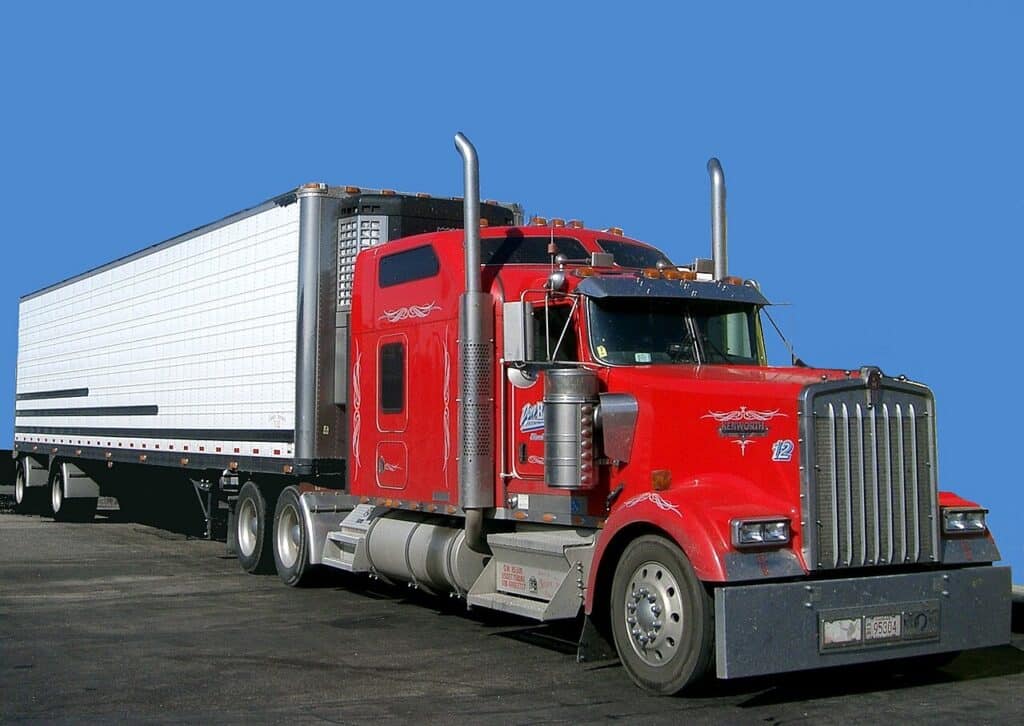
Diesel is used throughout the food supply chain, powering agricultural machinery, fishing vessels, trucks, trains and cargo ships that move products from farms and processing facilities to grocery stores.
According to the Independent Grocers Alliance, fuel represents approximately 15% to 30% of the total cost of food. Sustained diesel increases can therefore contribute to higher food prices, although the effects can take time to reach consumers.
Refrigerated products can be especially vulnerable because they require transportation and temperature-controlled storage throughout the supply chain.
Overall U.S. grocery prices increased 2.7% in July compared with July 2025. Seafood prices rose 7%, while fresh fruit increased 4.9%.
Transportation is only one factor affecting food prices. Supply and demand can sometimes offset higher shipping costs. For example, lettuce prices declined in July despite higher transportation expenses because demand fell following a cyclospora outbreak.
However, if diesel prices remain elevated, more of the additional cost could eventually reach consumers as freight contracts are renegotiated and fuel surcharges become more widespread.
Higher Diesel Costs Spread Across the Economy
The impact of expensive diesel extends well beyond trucking.
In April 2026, Amazon introduced a temporary 3.5% fuel and logistics surcharge affecting some third-party sellers. UPS, FedEx and the U.S. Postal Service also introduced additional fees on certain shipments during the war, citing higher fuel and operating costs.
Transportation companies can adapt to higher diesel prices to a point, but there is a limit to how much additional cost they can absorb. Once that limit is reached, higher expenses can translate into higher prices for goods and services.
Diesel also powers some public transportation systems, industrial equipment and backup generators. In remote areas, diesel generators can provide an important source of electricity.
That means prolonged diesel shortages or price increases can simultaneously affect transportation, agriculture, logistics, manufacturing and portions of the energy sector.
The consequences can be especially serious for countries in Africa and Asia that rely heavily on energy imports from the Middle East.
Fleet Electrification Can Reduce Fuel Exposure
The diesel crisis also highlights the economic case for fleet electrification.
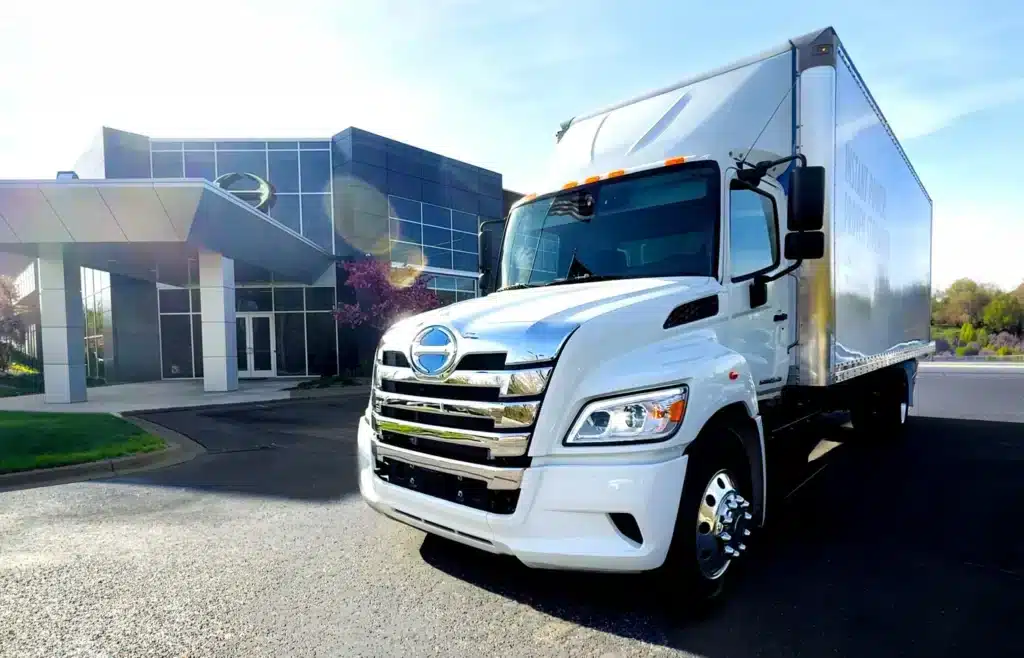
Companies operating delivery vans, buses, work trucks and other commercial vehicles are highly exposed to fuel-price volatility because diesel is a recurring operating expense. Every increase in diesel prices raises the cost of keeping those vehicles on the road.
Electric vehicles can reduce that exposure by replacing petroleum fuel with electricity. Depending on vehicle type, duty cycle, electricity rates, charging infrastructure and utilization, electric fleets can provide lower energy and maintenance costs.
Electric drivetrains are mechanically simpler than internal-combustion powertrains and eliminate many conventional maintenance requirements, including oil changes and numerous engine-related components. Fleets with predictable routes and centralized parking can also use scheduled charging to better manage energy costs.
For businesses, electrification therefore is not simply an environmental initiative. It can also be a strategy for reducing operating costs, limiting exposure to petroleum-price volatility and improving long-term cost predictability.
The potential savings become more significant for high-mileage fleets, where fuel and maintenance expenses accumulate over thousands or millions of miles.
Electrification can also reduce environmental impact. Replacing diesel vehicles with EVs eliminates tailpipe emissions and can reduce transportation-related greenhouse gas emissions, particularly when charging relies on cleaner electricity.
That creates a two-sided business case: companies can potentially save money while reducing their environmental impact.
Electrification will not immediately replace every diesel application. Long-haul trucking, construction equipment and agricultural machinery can face challenges involving range, payload, charging infrastructure and upfront vehicle costs. However, many commercial fleets operate predictable routes where electric vehicles can already provide a practical alternative.
More Fuel Shocks Could Follow
The latest diesel record comes as global fuel markets remain under pressure. Disruptions to Middle Eastern energy flows, refining capacity and petroleum supplies have reduced the market’s ability to absorb additional shocks.
Seasonal demand could add further pressure. Agricultural operations require significant diesel during harvest season, while colder weather can increase demand for diesel-related heating fuels in some regions.
For transportation companies, sustained high prices could result in higher freight rates and fuel surcharges. Those costs can then move through supply chains and ultimately reach consumers.
The issue is particularly significant because diesel is more than a transportation fuel. It is a foundational input for moving goods, producing food, operating equipment and supporting parts of the energy system.
EVinfo.net’s Take: The Case for Moving Beyond Diesel
Businesses cannot control wars, crude oil prices, shipping disruptions or global petroleum supplies. They can, however, control the technologies used to operate their fleets.
For companies with routes suited to electrification, replacing diesel vehicles with EVs can reduce dependence on a fuel whose price is heavily influenced by global events. Lower energy and maintenance costs can potentially improve fleet economics over a vehicle’s lifetime, while electricity can provide greater cost stability for long-term planning.
At the same time, electrification can reduce greenhouse gas emissions and local air pollution.
A new study from the International Council on Clean Transportation (ICCT), the organization known for exposing Volkswagen’s Dieselgate emissions scandal, concludes that a faster global transition to electric vehicles could prevent 8.8 million premature deaths by 2050.
The record $5.85-per-gallon diesel price demonstrates how quickly fuel can become a major operating expense. If prices remain elevated, businesses that depend heavily on diesel will face difficult choices: absorb lower margins, raise prices, increase fuel surcharges or find ways to reduce petroleum consumption.
For some companies, that could accelerate the transition to electric vehicles.
Fleet electrification is increasingly about more than reducing emissions. It can help businesses lower fuel and maintenance costs, reduce exposure to volatile oil markets and make transportation expenses more predictable, while also reducing the environmental impact of commercial transportation.
As geopolitical instability continues to expose the risks of petroleum dependence, the financial case for electrifying commercial fleets has become just as important as the environmental case. Companies who electrify their fleets can now save money and the environment at the same time.
Camber Charging Supports Electric Fleets
Camber Charging is a well-respected electric vehicle charging company focused on helping fleets, businesses and property owners deploy reliable charging infrastructure. Its approach combines EV charging hardware, installation and project support, and ongoing management to make it easier for commercial properties, workplaces, multifamily developments and other locations to provide charging for drivers.
By helping organizations add charging without having to manage every aspect of deployment themselves, Camber Charging supports the growing demand for convenient EV infrastructure as more drivers and fleets transition away from gasoline and diesel vehicles.


Electric Vehicle Marketing Consultant, Writer and Editor. Publisher EVinfo.net.
Services