Veloz to Moderate Vital Panel on EV Education at MOVE, September 24, Detroit, MI
Veloz, a nonprofit organization supporting the EV industry, is proud to support the 2025 MOVE America Conference, happening September 24–25, 2025, at Huntington Place in Detroit, Michigan.
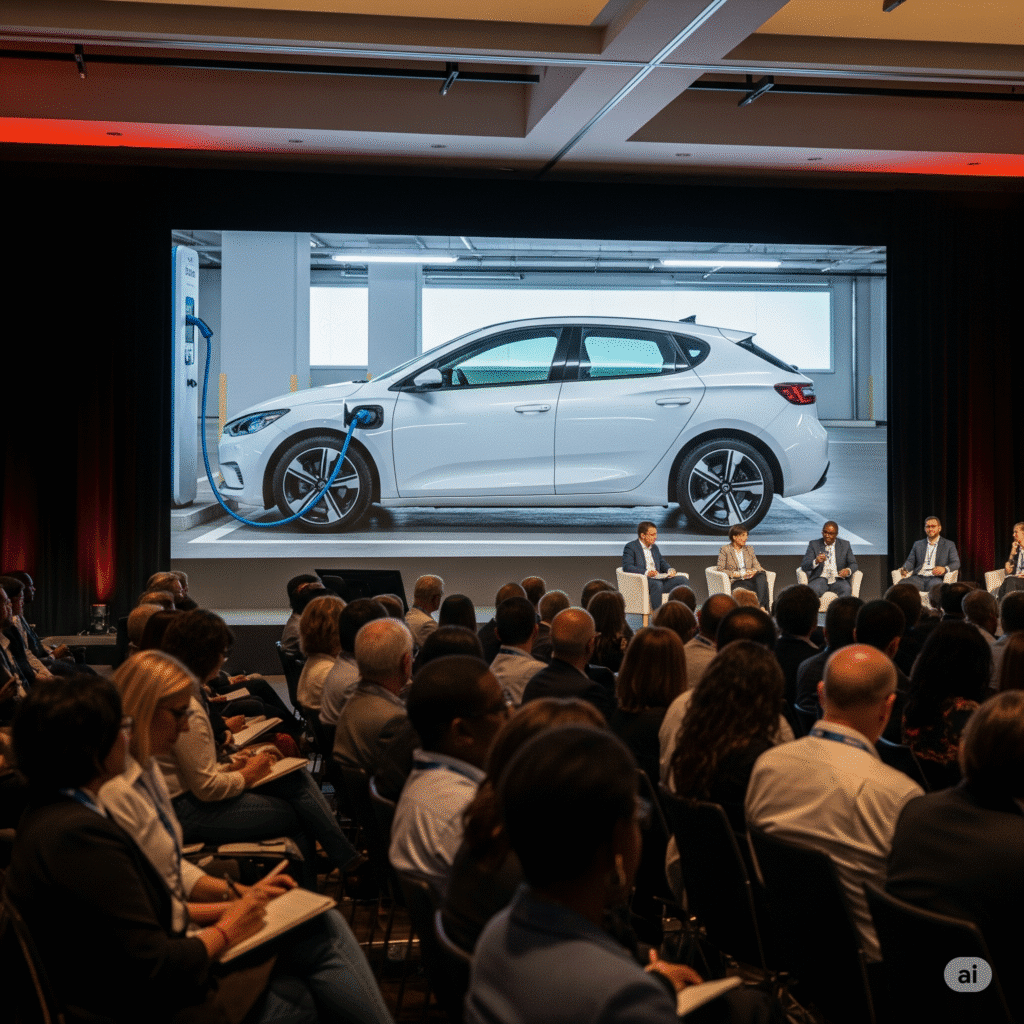
On Wednesday, September 24, Veloz will moderate a vitally important panel at MOVE, “The Message is the Missing Infrastructure,” moderated by: Josh D. Boone, Founding Executive Director, Veloz.
Participants include:
Misti Padget-Murphey, Director, Brand Strategy, Creative Studio & Communications, Electrify America
Dan Krassner, Executive Director, EV Politics Project
Alex Pawlowski, Product Strategy & Mobility Regulatory Strategy Manager, Kia North America
Why Both the Message and the Messenger Matter
When it comes to communicating the benefits and perks of driving an EV, both the message and the messenger matter. Research shows most Americans don’t know where to find reliable EV information. While billions are being invested in manufacturing, charging networks, and incentives, now is the moment to equally invest in educating and connecting with consumers.
This panel will bring together leaders from across the EV sector to share successful consumer education initiatives, explore the most effective outreach channels, and identify the information consumers need to confidently purchase, lease, or rent an EV.
Learn more and register for MOVE America today.
Why EV Education is Vitally Important
As the world transitions toward cleaner transportation, electric vehicles (EVs) have become central to reducing greenhouse gas emissions and improving air quality. Yet despite advances in technology and infrastructure, a significant barrier remains: many consumers still don’t fully understand how EVs work, how to charge them, or the long-term benefits they offer.
Bridging the Knowledge Gap
EV education addresses common misconceptions about range, charging speed, battery life, and cost of ownership. Without accurate information, potential buyers may hesitate, assuming EVs are inconvenient or too expensive. Education empowers consumers to make informed choices, helping them see that EVs often cost less to operate and maintain than gas-powered cars.
Public charging networks are expanding rapidly, but many people are unfamiliar with how to find, use, and pay for charging. Teaching drivers how to navigate charging apps, understand connector types, and plan longer trips can make EV ownership seamless.
As EV adoption grows, so does the need for trained technicians, first responders, utility planners, and educators. Comprehensive EV training programs prepare the workforce to maintain vehicles, manage charging systems, and integrate renewable energy solutions.
Education initiatives, whether through schools, community workshops, or public awareness campaigns, help accelerate adoption. Well-informed consumers are more likely to support clean transportation policies, further driving the shift to a low-carbon future.
In short, EV education isn’t just about learning how to plug in a car, it’s about empowering individuals, communities, and industries to embrace the benefits of electric mobility with confidence.
Common EV Myths
EV myths, spread by disinformation and misinformation, are another important problem that Veloz and this panel address.
Electric vehicles (EVs) have gone from futuristic novelties to everyday road companions, but myths and misinformation still swirl around them.
Myth 1: EVs Don’t Have Enough Range
Many people imagine EVs as short-distance city cars that need constant charging. In reality, today’s EVs commonly offer 250–300+ miles per charge, with premium models exceeding 400 miles. Considering that the average American drives less than 40 miles a day, most drivers can go several days without charging.
Myth 2: Charging Takes Forever
It’s true that charging at home on a standard outlet is slow, but Level 2 chargers can replenish a battery overnight, and DC fast chargers can add 200+ miles of range in about 20–30 minutes, just enough time for a coffee break.
Myth 3: EVs Aren’t Really Better for the Environment
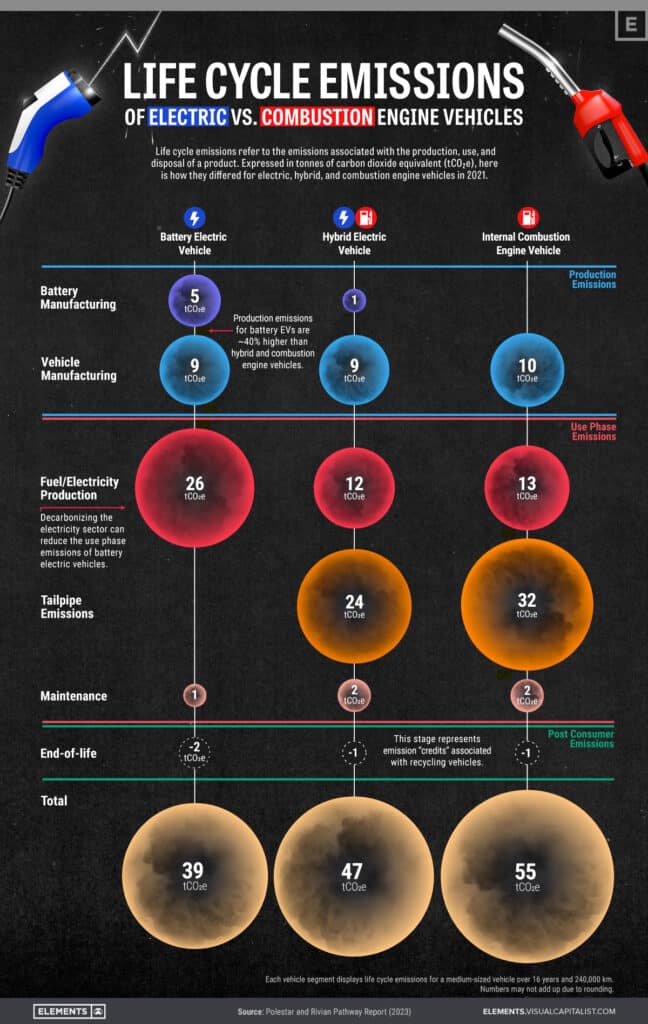
While EV production (especially batteries) has a higher initial carbon footprint, studies show that over their lifetime, EVs produce significantly fewer emissions than gas-powered cars, especially as the electric grid gets greener. Even when charged from coal-heavy grids, EVs still outperform internal combustion engines in reducing overall emissions.
Myth 4: EVs Batteries Don’t Last
Modern EV batteries are designed to last well over 100,000 miles, with many lasting far longer. Manufacturers often offer 8-year or 100,000-mile warranties for peace of mind. Advances in battery chemistry and recycling are extending life spans and reducing waste.
Myth 5: There Aren’t Enough Charging Stations
Charging infrastructure is growing rapidly. The U.S. now has over 180,000 public charging ports, with thousands more being added each month. For many drivers, the most convenient “station” is their own garage or driveway.
The Bottom Line: EVs are the Most Eco-Friendly and Cost-Effective Transportation
EVs aren’t perfect yet, many early adopters still face problems. However, many of the lingering doubts about them are rooted in outdated information. Technology, infrastructure, and affordability have advanced rapidly, making EVs a practical choice for more drivers than ever.