Polestar Gets a $600M Funding Boost
Polestar announced this week it has secured up to $600 million in new financing, providing a meaningful boost to the outlook of the Geely-backed performance EV brand after a challenging period. The funding comes in the form of a subordinated term loan facility and is intended to extend Polestar’s operational runway and support general corporate purposes, easing near-term financial pressure.
While Polestar’s vehicle sales improved in 2025, driven by the brand’s Scandinavian design language, advanced Chinese EV technology, and Volvo-derived safety credentials, its financial position has remained under strain. At several points, the company faced the risk of a potential NASDAQ delisting, underscoring the gap between growing consumer demand and balance sheet stability. The new loan signals renewed confidence from Geely Sweden Holdings AB, Volvo’s Chinese parent company, which is providing the facility through a wholly owned subsidiary. Up to $600 million is available, with the final $300 million subject to lender consent based on Polestar’s future liquidity needs.
The financing arrives during a pivotal period for the company. Polestar recently began delivering the Polestar 4 to its first North American customers, while updates to the Polestar 3 have enabled vehicle-to-grid and vehicle-to-everything capabilities in Europe. These developments strengthen Polestar’s technology positioning and expand its relevance in key global markets.
Polestar currently offers four models across 28 countries, with additional vehicles in the pipeline, including the Polestar 7 SUV targeted for 2028 and the Polestar 6 coupe and roadster. From a product standpoint, momentum is building. The Polestar 3 crossover is positioned as a stronger alternative to the Tesla Model Y, and upcoming models further reinforce the lineup and put more pressure on declining Tesla.
Polestar’s Strong Lineup Challenges Tesla
Polestar’s current four-model lineup represents the brand’s transition from a niche performance offshoot into a globally scaled, design-led EV manufacturer. Each vehicle plays a distinct role in expanding Polestar’s market reach while reinforcing its core identity around minimalist Scandinavian design, performance engineering, and advanced electrification.
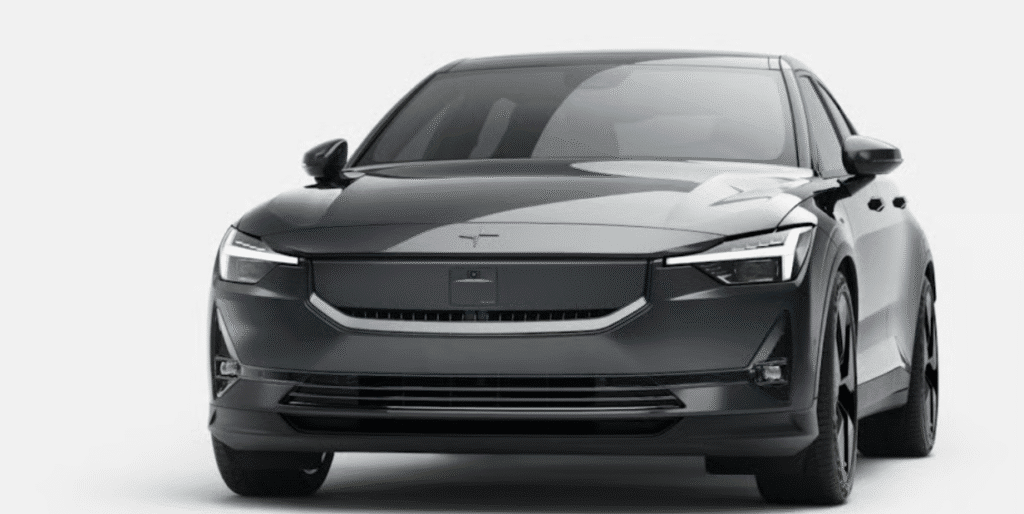
The Polestar 2 remains the backbone of the portfolio and the company’s volume driver. Positioned as a premium electric fastback, it blends clean Swedish design with strong performance and everyday usability. Continuous software updates, improving range and efficiency, and competitive pricing have kept the Polestar 2 relevant as competition in the premium EV sedan segment intensifies. It also serves as many buyers’ first entry point into the Polestar brand.
The Polestar 3 marks the company’s move into the high-margin electric SUV segment. Built as a performance-oriented luxury crossover, the Polestar 3 emphasizes driving dynamics, safety, and technology. Developed with Volvo DNA at its core, it introduces advanced driver-assistance systems and, in Europe, newly enabled vehicle-to-grid and vehicle-to-everything capabilities. The Polestar 3 is designed to compete directly with category leaders such as the outdated Tesla Model Y while offering a more premium, driver-focused experience.
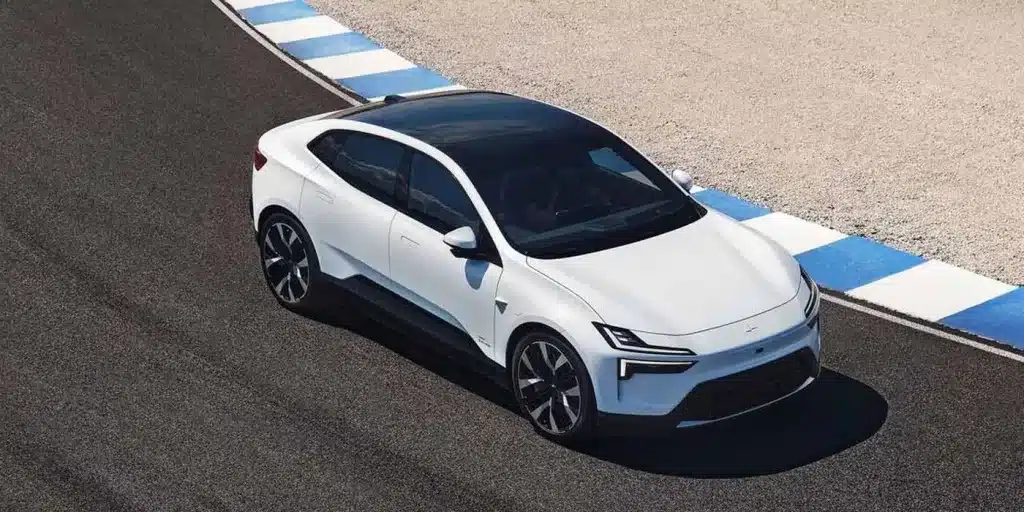
The Polestar 4 represents a strategic evolution in design and packaging. Positioned between the Polestar 2 and Polestar 3, it adopts a coupe-SUV form factor and notably eliminates the traditional rear window, replacing it with a digital rearview system. This bold approach improves rear-seat space and reinforces Polestar’s willingness to challenge conventional automotive design while maintaining strong performance and range credentials. Deliveries have now begun in key global markets, including North America.
Rounding out the lineup is the Polestar 5, the brand’s forthcoming flagship electric performance sedan. Designed to showcase Polestar’s in-house aluminum architecture and performance ambitions, the Polestar 5 targets the upper end of the luxury EV market with high output, long range, and fast-charging capability. It is intended to position Polestar as a credible alternative to established premium performance brands.
Together, these four models form a coherent and expanding portfolio that balances scale, innovation, and aspiration. With additional vehicles such as the Polestar 6 and Polestar 7 on the horizon, Polestar’s current lineup lays the foundation for its next phase of global growth.
Strong Sustainability Goals
Polestar maintains a clear and unwavering commitment to sustainability, underpinned by an ambitious roadmap to reduce its environmental impact across the entire business. The company aims to cut greenhouse gas emissions per vehicle sold by 50% by 2030 and to achieve climate neutrality across its full value chain by 2040. These targets extend beyond vehicle use, addressing emissions from materials sourcing, manufacturing, logistics, and end-of-life processes.
At the core of this effort is Polestar’s comprehensive sustainability strategy, which is structured around four pillars: Climate, Transparency, Circularity, and Inclusion. The Climate pillar focuses on reducing emissions through cleaner energy use, more efficient manufacturing, and continuous improvements in vehicle efficiency. Transparency emphasizes traceability and accountability across the supply chain, enabling customers and partners to understand the environmental and social impacts of materials and production.
Circularity is centered on extending product lifecycles and minimizing waste through recycled and renewable materials, modular design, and responsible end-of-life solutions. Inclusion reflects Polestar’s commitment to ethical sourcing, fair labor practices, and diversity throughout its operations and partnerships. Together, these four focus areas define Polestar’s long-term approach to sustainability and position the company as one of the most sustainability-driven brands in the global automotive industry.