Kia Announced It Will Bring the EV3, Its Most Affordable EV, to the US
Kia has unveiled the U.S. version of its EV3, a small electric SUV, a model that has already seen strong demand in international markets since its 2024 debut. After initial uncertainty about its U.S. arrival, the EV3 is now confirmed to reach American buyers by the end of this year.
The EV3 made its North American debut at the New York Auto Show, where Kia positioned it as its most affordable EV offering. The design takes clear inspiration from the larger Kia EV9, adopting a boxy, modern aesthetic in a more compact form. At 169 inches long, it is significantly smaller than the EV9, making it easier to maneuver, more efficient, and likely more accessible from a pricing standpoint. While U.S. pricing has not been announced, its starting price in the UK of around £27,000 suggests it could land near $35,000 in the U.S., placing it among the more affordable EV options.
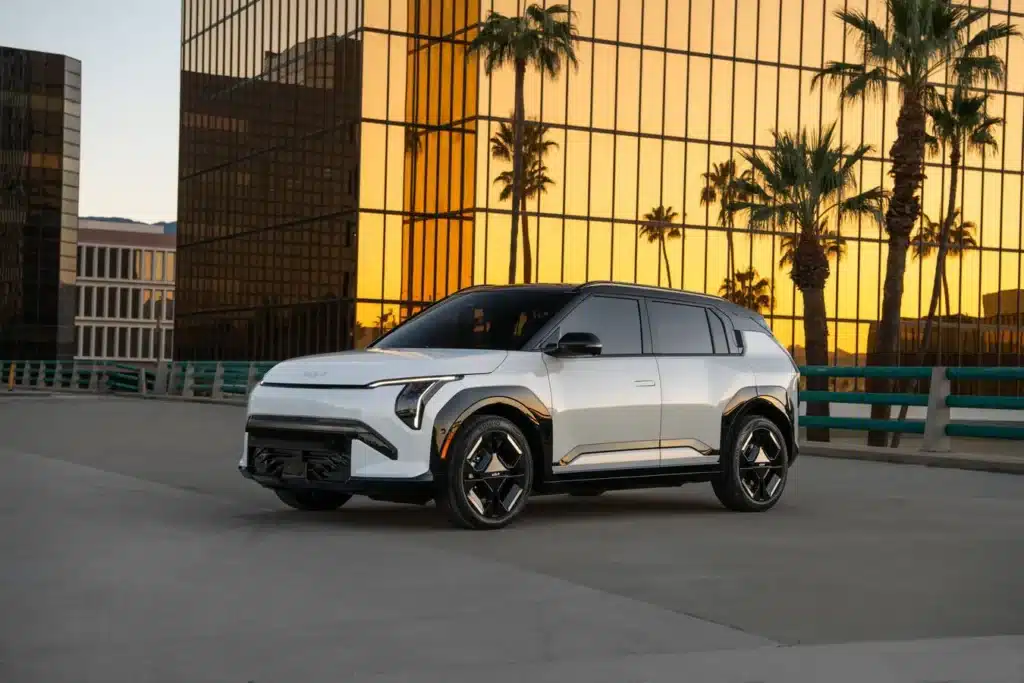
Despite its smaller footprint, the EV3 retains solid capability. Built on Hyundai Motor Group’s E-GMP platform, it supports fast DC charging, though its 400V architecture means it is not as fast as the 800V-based Kia EV6. The EV3 can charge from 10% to 80% in about 30 minutes, which is competitive for its segment. Buyers will have a choice between a 58.3 kWh battery with approximately 220 miles of range and a larger 81.4 kWh battery offering up to 320 miles.
Like newer Kia EVs, the EV3 comes equipped with a native NACS charging port. It also supports vehicle-to-load functionality and can power a home when paired with a bidirectional charger.
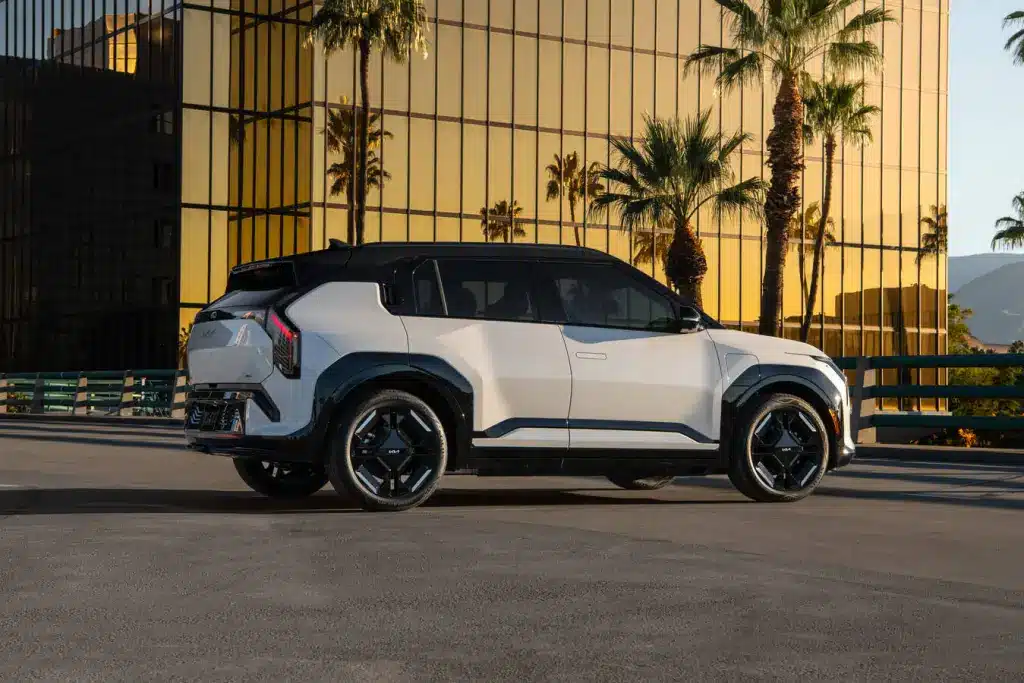
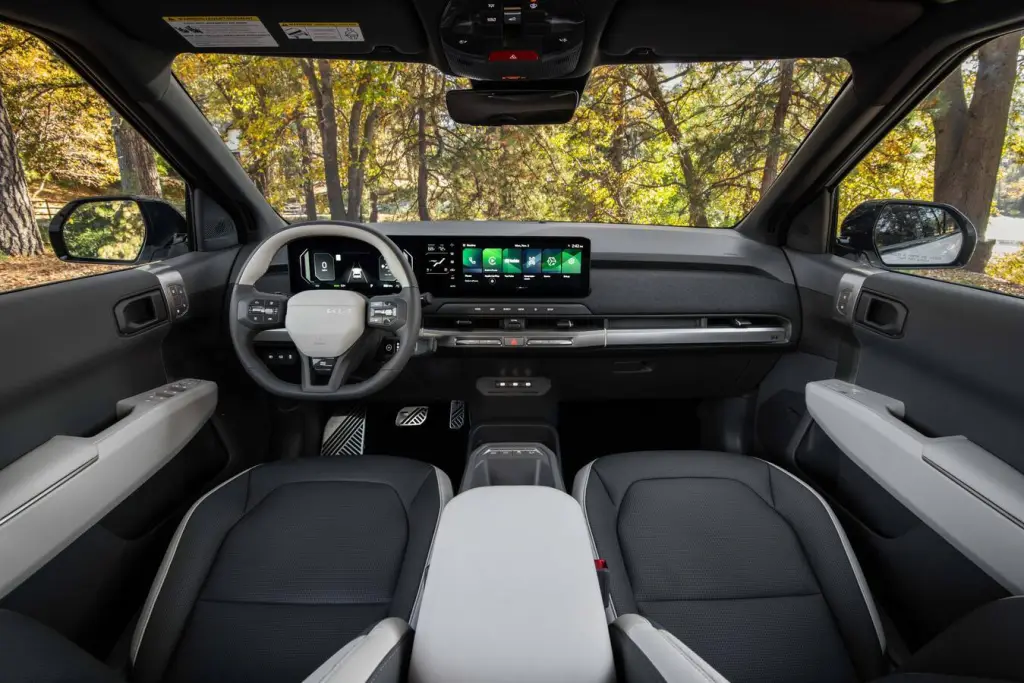
Performance is adequate for daily driving, with the base model delivering 261 horsepower, while a GT variant increases output to 288 horsepower and adds simulated gear shifts and engine sounds. Interior features exceed typical entry-level expectations, including a head-up display, surround-view camera system, ambient lighting, and Digital Key 2.0 for phone-based vehicle access.
The EV3’s U.S. launch comes at a critical time as affordable EV options remain limited. Competing models like the Volvo EX30 have faced setbacks in the U.S., while others such as the Chevrolet Bolt are being phased out. With its compact size, competitive range, and expected pricing, the EV3 is positioned to fill a growing gap in the market for practical, lower-cost electric vehicles.
EVinfo.net’s Take: More Low Cost EVs Needed in the US
The U.S. electric vehicle market is at a critical inflection point. Adoption is growing, technology is improving, and charging infrastructure continues to expand. But one issue remains unresolved and increasingly urgent: affordability.
For many consumers, EVs are still perceived as premium products. While higher-end models have helped drive innovation and brand visibility, they do little to address the needs of mainstream buyers. The average new vehicle price in the U.S. remains high, and many electric options sit even further out of reach. Without a strong pipeline of low-cost EVs, widespread adoption will continue to face structural limits.
Other global markets are already moving in a different direction. Automakers are prioritizing smaller, more efficient vehicles at lower price points, recognizing that scale comes from accessibility. Models like the Kia EV3 demonstrate that compelling design, solid range, and modern features can be delivered in a more affordable package. Similarly, vehicles such as the Nissan Leaf have shown that cost-effective EVs can succeed when positioned correctly.
In contrast, the U.S. market has seen setbacks. The cancellation of models like the Volvo EX30 for American buyers and the planned phase-out of the Chevrolet Bolt have reduced the number of entry-level options. This creates a gap at exactly the point where demand should be growing.
Affordability is not just about sticker price. Lower-cost EVs reduce barriers to entry, expand access to clean transportation, and accelerate economies of scale across the entire supply chain. They also play a critical role in insulating drivers from fuel price volatility, an increasingly important factor as gasoline and diesel costs fluctuate due to global events.
For the industry, the path forward is clear. Automakers must commit to developing vehicles that meet the needs of everyday drivers, not just early adopters. Policymakers must ensure incentives and regulations support broad access, not just premium segments. And infrastructure providers must continue building solutions that make EV ownership practical for all income levels, including those without access to home charging.
The transition to electric transportation will not be defined by the most advanced or expensive vehicles. It will be defined by the ones people can actually afford. Until the U.S. market delivers more low-cost EV options at scale, adoption will remain slower than it needs to be.

Electric Vehicle Marketing Consultant, Writer and Editor. Publisher EVinfo.net.
Services