Portsmouth is the First Port in the UK to Offer a Multi-Berth, Multi-User, Multi-Frequency Shore Power System
Portsmouth International Port recenttly reached a major milestone in its sustainability strategy with the launch of a groundbreaking shore power system that allows ferries and cruise ships to switch off their engines while docked and connect directly to clean electricity from the grid.
The new infrastructure makes Portsmouth the first port in the United Kingdom to offer a multi-berth, multi-user, multi-frequency shore power system. The technology enables compatible vessels to eliminate emissions while alongside the dock, improving local air quality and supporting broader decarbonization efforts across the maritime sector.
Port Director Mike Sellers described the launch as a landmark achievement for both the port and the wider UK ports industry. He said the system will deliver significant environmental benefits for the city while helping future-proof Portsmouth International Port as the maritime industry continues its transition toward electrification.
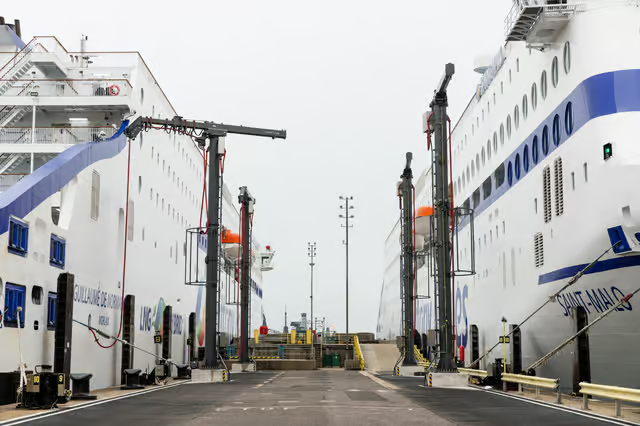
The project recently completed testing with Brittany Ferries’ hybrid-electric vessels, St Malo and Guillaume de Normandie, becoming the first ships to connect to the new system. Brittany Ferries CEO Christophe Mathieu called shore power an important step in the company’s decarbonization journey, noting that the immediate benefit is cleaner air for residents, workers, and travelers while supporting more sustainable maritime transportation.
The shore power network is capable of supplying electricity to up to three vessels simultaneously. Earlier this year, AIDA Cruises’ AIDAsol became the first cruise ship to utilize the system, followed by Phoenix Reisen’s Amera. Additional multi-ship operations are expected to begin later this year.
The development forms part of Portsmouth’s long-term ambition to become the UK’s first zero-emissions port by 2050. Funding for the project included £19.8 million from the UK Department for Transport and £4.6 million from Portsmouth City Council, along with an additional £3 million from the council to secure the necessary grid connection.
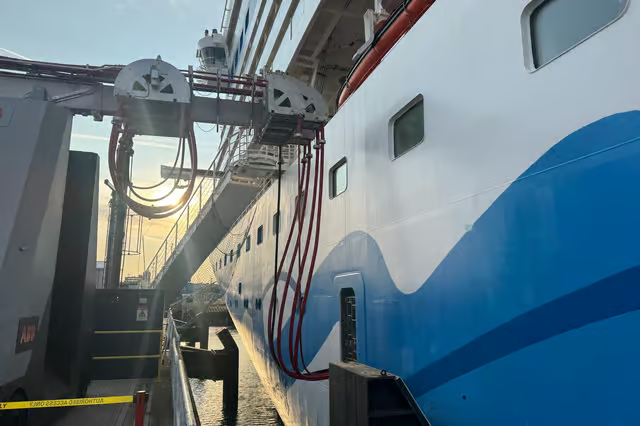
According to project estimates, the shore power system could help avoid approximately 20,000 tonnes of CO2e emissions beginning in 2027. The upgrades also enable capable vessels to enter and leave the harbor using electric power, further reducing environmental impacts.
Portsmouth City Council leader Steve Pitt praised the collaboration between the port, Brittany Ferries, government partners, and project stakeholders, acknowledging the challenges associated with deploying first-of-its-kind technology. He emphasized that improving air quality for Portsmouth residents has remained the project’s primary objective.
UK Aviation, Maritime and Decarbonisation Minister Keir Mather said the initiative represents a significant step toward decarbonizing shipping in the UK. Supported by nearly £20 million in government funding, the project strengthens Portsmouth’s role as a leader in maritime sustainability while contributing to national efforts to reduce emissions, accelerate clean technology adoption, and support economic growth.

Electric Vehicle Marketing Consultant, Writer and Editor. Publisher EVinfo.net.
Services