U.S. Gas Prices Rise Again, Strengthening the Economic Case for EV Adoption
On September 10, 2026, AAA reported that the U.S. national average price for a gallon of regular gasoline had increased 13 cents from the previous week to $4.27 as crude oil prices continued to climb. Volatility in the Strait of Hormuz pushed crude oil prices back into the $100-per-barrel range for the first time since July, sending gasoline prices to levels comparable to early June.
The increase is particularly notable because it is occurring during a time of year when gasoline prices typically decline as seasonal demand falls. Instead, motorists are facing higher prices as global oil market uncertainty continues to put upward pressure on crude oil and gasoline.
AAA’s national average continued rising after its September 10 report. By September 12, AAA listed the average price of regular gasoline at $4.3104 per gallon, adding another 4 cents to the national average in just two days.
The rapid increase highlights how vulnerable gasoline prices remain to disruptions and instability in global oil markets. For American drivers, higher gasoline prices can quickly translate into increased household transportation costs, making the operating-cost advantages of electric vehicles even more significant.
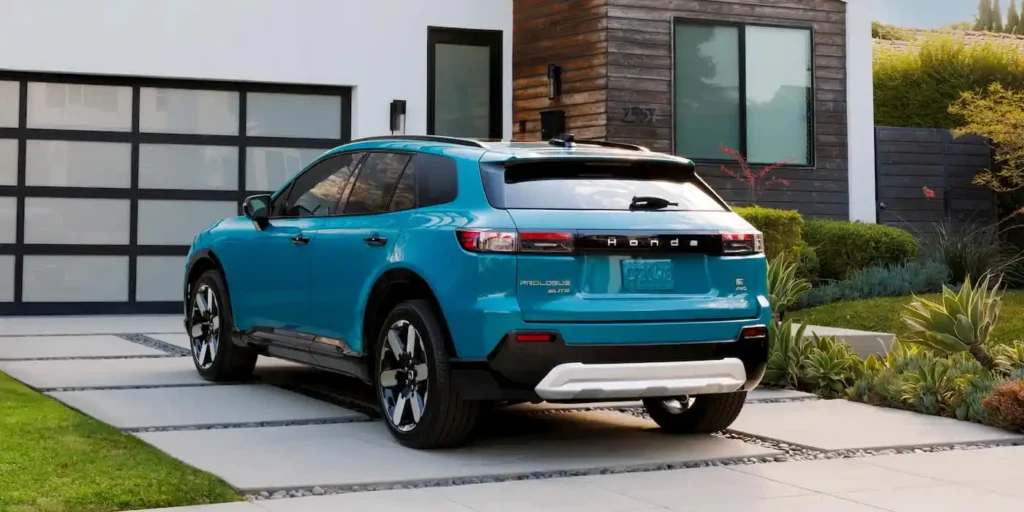
57% of U.S. Drivers Surveyed Say Rising Gas Prices Influenced Their Growing Interest in EVs
The fourth annual HERE-SBD EV Index 2026, released September 9, 2026, combines EV infrastructure data with a consumer survey of more than 4,000 drivers across the U.S., Europe, India and Australia. The U.S. findings show improving consumer attitudes toward electric vehicles. Among U.S. drivers surveyed, 53% said they are more open to considering an EV than they were a year ago.
One of the strongest factors is gasoline prices. Fifty-seven percent of U.S. respondents said rising gas prices have influenced their interest in EVs. Among people who already own an EV, that figure rises to nearly 80%. This is particularly significant as gasoline prices have risen sharply in 2026, demonstrating how exposure to volatile fuel costs can make the predictable operating costs of an EV more attractive.
Gas prices are not the only factor driving interest. Thirty-five percent of respondents pointed to improvements in EV range and charging speed, 31% cited charging infrastructure improvements, and 29% cited the availability of charging at home or work. At the same time, two traditional EV adoption barriers are declining. Concern about charging availability fell 14% from the previous year’s survey, while concern about driving range declined 15%.
The charging network is expanding rapidly. The U.S. added 31,600 public charge points since the previous Index, representing 13% of the country’s total. Total charging power increased 47%, from 14.1 GW to 20.7 GW. As a result, the percentage of respondents with a positive perception of public charging availability jumped from 28% to 47%. Sixty percent of U.S. respondents said they are confident the country can develop enough infrastructure to support greater EV adoption.
The survey also shows that people who actually drive EVs tend to be highly satisfied. Eighty-five percent of EV drivers rated public charging coverage as good or better, up 13% from last year. Nearly three-quarters said their charging experience was better than expected, while 76% said their vehicle’s range performed better than expected. Most importantly, 77% said they would likely replace their current EV with another EV.
Consumers are increasingly looking at EVs as practical vehicles rather than simply environmental choices. Better value for money was the leading motivation for EV adoption at 31%, followed by better performance at 29% and lower maintenance costs at 29%. More respondents believe EVs cost less to own and operate than those who believe they cost more.
The survey also indicates declining attachment to gasoline vehicles among potential buyers. Among drivers who do not currently own an EV, 10% fewer said they intend to make a gasoline-powered vehicle their next purchase compared with last year. The share who would choose an EV if price and specifications were identical increased 8%, while the percentage reporting no barriers to EV adoption doubled from 6% to 12%.
The larger message is that EV adoption is becoming less dependent on a single selling point. Rising gasoline prices are pushing consumers toward EVs, but improving range, faster charging, expanding infrastructure, lower maintenance costs and positive ownership experiences are reinforcing that interest.
The 2026 oil-price crisis demonstrates a fundamental weakness of gasoline transportation: drivers are exposed to global oil markets and geopolitical disruptions they cannot control. EV drivers still pay for energy, but electricity can come from a broader mix of domestic sources, and home charging gives consumers greater control over their transportation energy costs.
EVinfo.net’s Take: The Iran War Won’t End Soon, Now’s the Time to Drive Electric
Experts and energy analysts increasingly warn that the Iran war is unlikely to end quickly, meaning Americans may need to get used to elevated gasoline prices for the foreseeable future. The conflict has disrupted oil flows through the Strait of Hormuz, pushing crude back above $100 per barrel and sending U.S. gasoline prices to an average $4.27 per gallon. Analysts say even a ceasefire within the next week would not immediately restore normal fuel prices because oil production, shipping, inventories, insurance and supply chains would take months to recover.
Now’s the time to try out and consider EVs. EVs save drivers money, clean the air and fight human caused climate change.
National Drive Electric Month, running September 11 through October 12, 2026, is a nationwide opportunity for consumers to experience electric transportation firsthand. The campaign promotes battery-electric and plug-in hybrid cars, trucks, motorcycles and other electric vehicles through local events involving EV owners, advocates, community organizations providing rides and information to people considering an EV.
EV/Hybrid Sales Tools for Dealerships and OEMs
Now is a great time for EV and hybrid sellers to step up sales efforts. One way dealerships can increase EV and hybrid sales is to use valuable sales tools from Lectrium.
Lectrium provides EV and hybrid sales tools for automotive dealerships and OEMs, helping dealers educate shoppers, answer common questions and sell electrified vehicles more effectively. Its platform uses proprietary VIN-specific data and interactive merchandising tools to provide information about vehicle range, charging, savings and ownership, helping customers understand how an EV fits into their daily lives before they visit the dealership. The company says its tools are used by more than 500 automotive dealers and eight OEMs.

Electric Vehicle Marketing Consultant, Writer and Editor. Publisher EVinfo.net.
Services