Arthur D. Little GEMRIX 2026 Report Says The Global EV Transition is Now an Ecosystem Race
Arthur D. Little’s (ADL) Global Electric Mobility Readiness Index (GEMRIX) 2026, released Sep 24, 2026, finds that the global EV market has entered a new phase defined by different national approaches and increasingly varied rates of electrification.
The strategic question for automakers, charging companies, energy providers and other market participants is no longer simply whether electric mobility will grow, but which markets are sufficiently prepared to support that growth. EV sales share alone does not provide a complete picture. Infrastructure, customer readiness, regulation, economics and broader market conditions all influence how quickly EV adoption can expand.
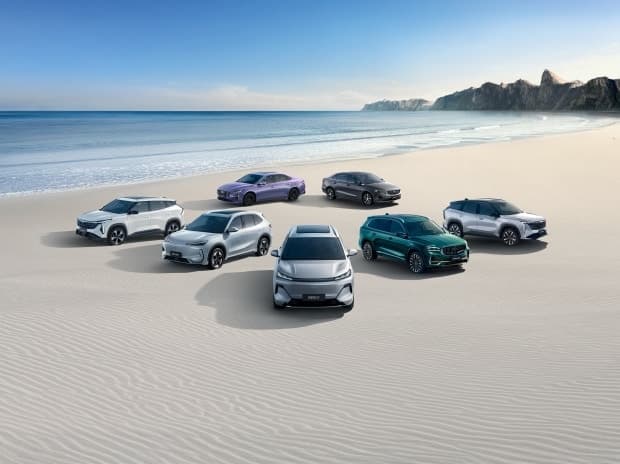
A major theme in GEMRIX 2026 is the growing influence of Chinese automakers. Affordable vehicles, local assembly, shorter development cycles, software-focused products and broader ecosystem strategies are allowing Chinese OEMs to expand into international markets and putting pressure on established automakers to reconsider their operating and business models.
GEMRIX 2026 Key Findings
A small group of markets has established a clear lead. China, Norway, Singapore and the Netherlands demonstrate how market scale, infrastructure, consumer readiness and supportive regulation can work together to accelerate EV adoption.
The transition is increasingly multispeed. Europe is recovering from its 2024 slowdown, China continues to lead, and markets including Türkiye, Thailand, Vietnam, Indonesia and Brazil are gaining momentum through different combinations of affordability, infrastructure investment, industrial policy and local automotive companies.
Competitiveness is also moving beyond the vehicle itself. Chinese OEMs are challenging established players with lower-cost products, faster development cycles, software-centric vehicles and ecosystem strategies.
Measuring EV Readiness
GEMRIX 2026 evaluates 31 global markets across five dimensions, using 46 data points for each country. The five dimensions are macroeconomic market conditions, consumer readiness, charging infrastructure, and policy and economics, along with the underlying automotive market and electrification environment.
The 2026 edition adds 11 markets, including 10 in Europe and one in North America, reflecting the importance of Europe’s EV recovery and changing North American market dynamics.
A GEMRIX score of 100 represents broad parity between EVs and internal-combustion vehicles in usability, affordability, availability, infrastructure support and consumer attractiveness.
Only two markets score above 100 in the 2026 index.
China scores 106, supported by its enormous automotive market, extensive charging infrastructure and a 51% EV market share in 2025. Norway scores 103, with EVs representing 96.5% of new-car registrations in 2025. ADL identifies Norway as the clearest example of a near-complete market transition, supported by strong consumer readiness and favorable total-cost-of-ownership conditions.
Singapore scores 96, supported by urban suitability, infrastructure and policy. The Netherlands scores 90 and combines high BEV penetration with a dense charging network.
Ambitious Followers
The next group consists primarily of European markets, including France, Germany, the UK, Austria, Sweden, Belgium, Italy, Spain, Switzerland, Türkiye and Poland. Hong Kong and Canada are also included.
These markets have many of the prerequisites needed for continued EV growth, including relatively mature infrastructure, regulatory support and expanding vehicle availability. However, EVs have not yet become an unambiguous mainstream choice across every segment because of factors including vehicle pricing, consumer economics and limited coverage in some market segments.
Germany recorded a 30% EV share in 2025, while France exceeded 26%. Both remain below the Netherlands at 49%, but targeted incentives and expanding charging infrastructure are supporting further electrification.
Emerging EV Markets
GEMRIX identifies a diverse group of Emerging EV Markets that are showing significant movement in EV readiness and adoption. They include Czechia, Vietnam, Thailand, the UAE, Australia, Japan, Indonesia, the US, New Zealand, Brazil and India.
Vietnam averaged about 40% EV share in 2025, while Thailand reached 23%. Indonesia rose to roughly 12% and Brazil reached 9%.
ADL attributes progress to a combination of lower-cost EVs, improving charging networks, targeted incentives and industrial policies.
These markets are creating opportunities for new automotive entrants and charging infrastructure providers while increasing pressure on established EV manufacturers to offer more affordable vehicles.

Starter Markets
Mexico, Saudi Arabia and South Africa occupy the Starter Markets category. ADL identifies constraints including weaker economies, limited charging networks, low consumer familiarity and fragmented policy support.
The report notes that conditions are beginning to change in some of these markets. Chinese automakers are localizing vehicle assembly and introducing affordable models into emerging EV segments. Partnerships with energy providers and component suppliers could also help accelerate charging infrastructure and broader EV adoption.
These markets may offer opportunities for new entrants and early infrastructure development, although investment can require longer time horizons.
Markets To Monitor
China remains the global benchmark, but ADL expects the next phase of EV growth to increasingly come from markets where the broader ecosystem is approaching the point needed to unlock scale.
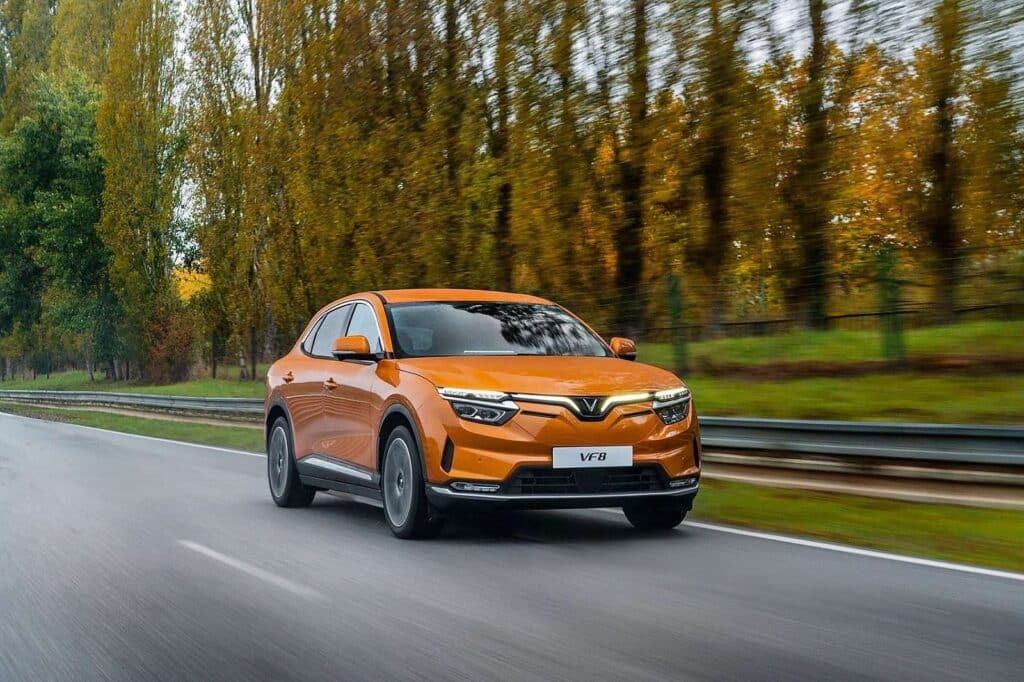
Affordability remains the foremost constraint. This helps explain the growing presence of Chinese automakers in markets such as Thailand, Indonesia and Brazil, while also highlighting the importance of domestic manufacturers such as VinFast in Vietnam and Togg in Türkiye.
ADL identifies Vietnam and Türkiye among six EV markets to monitor. The report emphasizes that successful EV markets require more than vehicle availability. Affordability, charging infrastructure, customer readiness, energy economics and regulatory stability need to reinforce one another.
GEMRIX 2026 provides detailed country profiles and additional analysis of the markets positioned for future EV growth. Download the full report here.
EVinfo.net’s Take: USA Must Try Harder In The Global EV Race
The United States helped launch the modern electric vehicle industry, but Arthur D. Little’s GEMRIX 2026 report shows that the country has more work to do if it wants to remain competitive as global EV adoption accelerates.
The US is classified as an Emerging EV Market, alongside countries including Vietnam, Thailand, Japan, Indonesia, Brazil and India. That puts the American market in a very different position from China, which scored 106, and Norway at 103.
The global EV race is therefore becoming about much more than building electric cars.
Charging infrastructure matters. So does vehicle affordability. Consumer readiness, energy economics, regulation, domestic manufacturing, battery supply chains and software are increasingly interconnected parts of the same ecosystem.
That creates a challenge for the United States.
America has major advantages, including a huge automotive market, established automakers, advanced technology companies and EV pioneers. But those advantages do not automatically translate into global EV leadership. The GEMRIX findings show that market readiness depends on how effectively the pieces of the ecosystem work together.
The competitive landscape is also changing because Chinese automakers are increasingly targeting international markets with affordable EVs. That puts pressure on established manufacturers to reduce costs, accelerate development and expand their product offerings.
For the United States, the issue is not simply how many EVs are sold this year. It is whether the country can build an EV ecosystem capable of competing with markets that are already integrating vehicles, batteries, charging, software, manufacturing and energy systems.
The United States remains one of the world’s most important automotive markets. Whether it converts that scale into sustained EV competitiveness will depend on how effectively automakers, charging providers, energy companies, technology firms and policymakers respond to the rapidly changing global market.
The race is no longer only about who builds the best EV. It is increasingly about who builds the most competitive EV ecosystem.
EVs save drivers money, clean the air and fight global human caused climate change, which are all good things. There’s no excuse to be so far behind. We must try harder to catch up.

Electric Vehicle Marketing Consultant, Writer and Editor. Publisher EVinfo.net.
Services