Ultium Cells Bringing LMR Prismatic EV Battery Cell Production to TN, An Expected Global First For GM
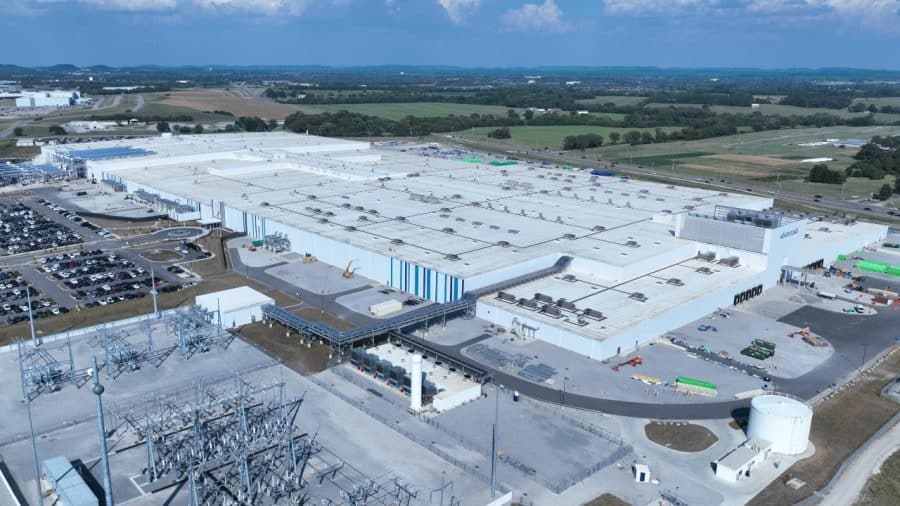
General Motors announced its Spring Hill, Tennessee factory is set to become a major center for next-generation battery technology as Ultium Cells LLC, a joint venture between General Motors and LG Energy Solution, announces plans to produce lithium manganese-rich (LMR) prismatic battery cells at its facility outside Nashville. The move is expected to make Ultium Cells the first manufacturer globally to commercially produce the technology, positioning GM to bring LMR batteries to future electric vehicles. GM announced the news on September 29, 2026.
LMR prismatic cells could represent a significant advancement for GM’s future EV lineup. The chemistry is designed to deliver 33% greater energy density than lithium iron phosphate (LFP), one of today’s leading low-cost battery chemistries, while maintaining a comparable cost.
Producing LMR cells at Ultium Cells Spring Hill is part of GM’s strategy to match different battery technologies with specific customer and vehicle requirements while strengthening its domestic battery manufacturing capabilities. High-nickel batteries will continue to provide the longest range in GM’s portfolio, while LMR technology is intended to provide lower costs and improved performance compared with existing affordable battery chemistries. The broader range of battery technologies could allow GM to scale EV production more efficiently and reach more customers.
Adding LMR to Ultium Cells’ portfolio also highlights the flexibility of its manufacturing operations. The facility will be capable of producing cells using multiple chemistries and form factors, allowing battery technology to be tailored to different vehicles and applications.
GM also views commercializing LMR technology as an important step in strengthening U.S. competitiveness in the global EV and battery industries. Construction and facility upgrades at Ultium Cells Spring Hill are scheduled to begin later this year and are expected to be completed in 2028. The expansion is projected to create 500 new jobs, adding to the facility’s current workforce of approximately 1,200 employees.
Ford Makes Breakthrough With Lithium Manganese Rich (LMR) Battery Chemistry in 2025
Ford announced a breakthrough in lithium manganese-rich (LMR) battery technology in April 2025 after years of research at its Ion Park Battery Center of Excellence. At the time, Ford said it is already producing second-generation LMR cells on a pilot line and plans to bring the technology to next-generation EVs before the end of the decade.
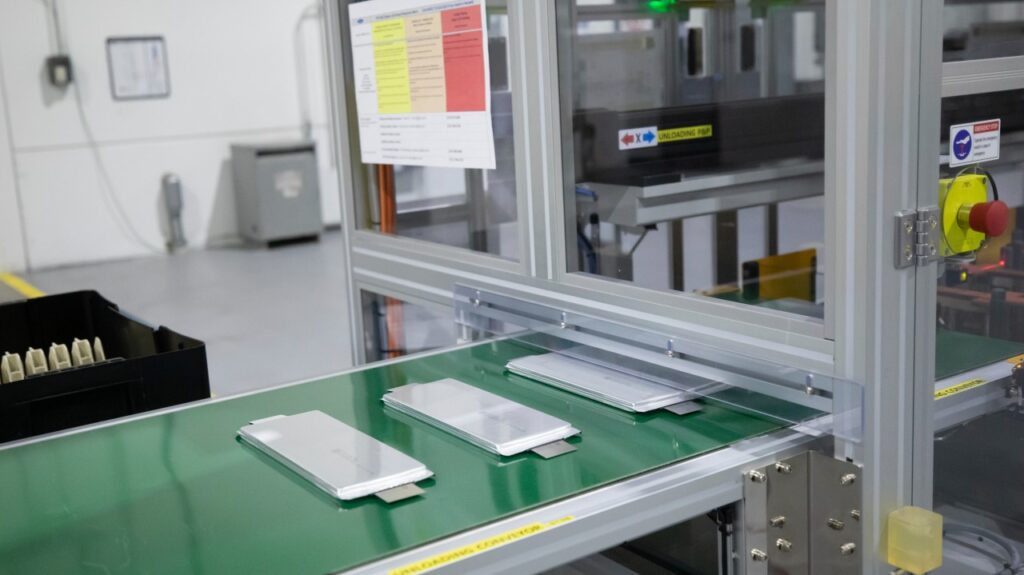
Ford says LMR batteries could combine the safety and stability of lithium iron phosphate (LFP) with higher energy density and lower costs. The technology is intended to deliver greater range while reducing battery costs enough to help narrow the price gap between EVs and gasoline vehicles. LMR represents the next step in Ford’s battery strategy, following its use of nickel cobalt manganese (NCM) batteries and the introduction of LFP in 2023.

Electric Vehicle Marketing Consultant, Writer and Editor. Publisher EVinfo.net.
Services