Ohio’s Fuel Tax Break Includes Gas and Diesel, but No Help for EV or Hybrid Owners
On October 5, 2026, AAA reported the average U.S. gas price was $4.3653, and the year-ago average was $3.1339. Diesel was reported at $6.3207 average, with a year ago average of $3.6898.
EV drivers are somewhat immune from today’s high gas prices due to the Iran war, as they power their vehicles with domestic energy that creates U.S. jobs and economic growth. However, diesel prices are also high, and diesel trucks transport food and nearly everything Americans buy, so all prices and inflation are rising fast. On September 18, Reuters reported that diesel costs for US farmers are double last year’s level.
Record diesel prices are also pressuring food transport and retail. Prices seem headed up for grocery staples, such as produce and meat.
Ohio’s 90-day suspension of its 38.5-cent-per-gallon gasoline tax began October 4, 2026, providing relief to drivers as fuel prices remain elevated. A typical 15-gallon fill-up will save about $5.77 during the tax holiday, Statehouse News Bureau reported on October 2, 2026.
However, the legislation provides no comparable relief for electric vehicle (EV) or hybrid owners. Ohio EV owners pay an additional $200 annual registration fee because their vehicles do not use gasoline and therefore do not contribute to the state’s gas tax. Plug-in hybrid owners pay an additional $150, while conventional hybrid owners pay $100 more.
State Sen. Casey Weinstein, a Democrat from Hudson, argued that EV and hybrid drivers should also receive relief because they already contribute to transportation funding through higher registration fees. He said about one-quarter of vehicles sold in Ohio are EVs or hybrids.
Weinstein said he prepared an amendment that would have provided discounts for those vehicle owners but that the Republican majority ended debate and prevented amendments from being considered.
The fuel tax holiday will cost the state approximately $726 million in lost revenue. That money, normally dedicated to road construction and maintenance, will instead come from Ohio’s general revenue fund.
The original Republican proposal called for using Ohio Department of Transportation funds to replace the lost revenue, but the Office of Budget and Management said ODOT’s $1.8 billion main operating fund had already been allocated to other projects.
The debate highlights an increasingly important issue as Ohio has more EVs and hybrids on its roads. Drivers who use little or no gasoline can still face significant transportation costs while paying additional registration fees designed to compensate for reduced gasoline-tax revenue.
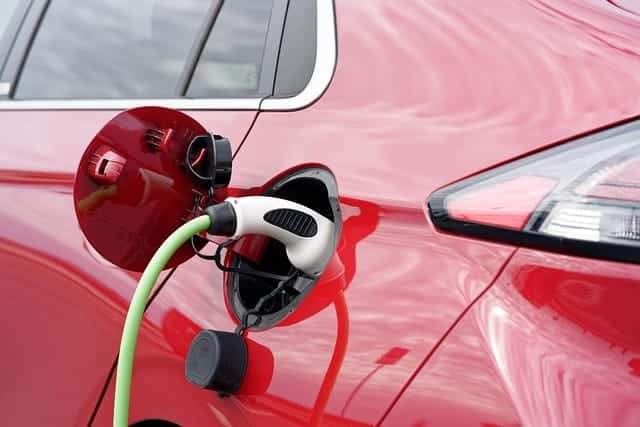
EVinfo.net’s Take: Unfair Ohio Gas Tax Holiday Leaves EV And Hybrid Drivers Behind
Owners of EVs receive no benefit from the gasoline tax suspension because they do not purchase gasoline. Yet EV owners already pay an additional $200 registration fee to help fund roads. Plug-in hybrid owners pay an additional $150, while conventional hybrid owners pay $100 more because they use less gasoline. This is not fair and must be adjusted accordingly.
That means Ohio drivers who chose vehicles that reduce gasoline consumption continue paying additional road-use fees while receiving no benefit from a temporary gasoline tax reduction.
A policy designed to provide relief from high fuel costs should at least consider how its benefits and costs are distributed among all drivers. EVs, plug-in hybrids and hybrids still use Ohio roads, and their owners contribute to transportation funding through higher registration fees.
The growing number of electrified vehicles makes this issue increasingly important. As transportation shifts away from gasoline, states need road-funding systems that are fair across powertrains rather than continuing to penalize drivers for choosing more efficient vehicles.

Electric Vehicle Marketing Consultant, Writer and Editor. Publisher EVinfo.net.
Services