UK’s North East Ambulance Service Expands EV Charging Network Through NHS Partnership
On September 30, 2026, North East Ambulance Service (NEAS) announced it expanded its electric vehicle (EV) charging network with the installation of a new rapid charger at University Hospital of North Tees, delivered through a partnership with North Tees and Hartlepool NHS Foundation Trust.
The new charger is the latest milestone in NEAS’s EV project, which is focused on developing the charging infrastructure needed to explore how cost-saving electric vehicles could support ambulance operations across the region.
NEAS operates more than 600 vehicles from 63 ambulance stations and three operations centers across the North East. During 2025/26, its teams responded to 442,168 incidents and transported 298,307 patients to hospitals. A reliable regional charging network will be important as the organization evaluates the potential future use of electric ambulances within this demanding operation.
Martin Gibson, environmental sustainability manager at NEAS, said the project demonstrates what can be achieved through collaboration between NHS organizations. He said having the necessary charging infrastructure in place is essential as NEAS continues exploring the future use of electric ambulance vehicles and supports the NHS ambition of reaching net-zero emissions, while saving significant costs.
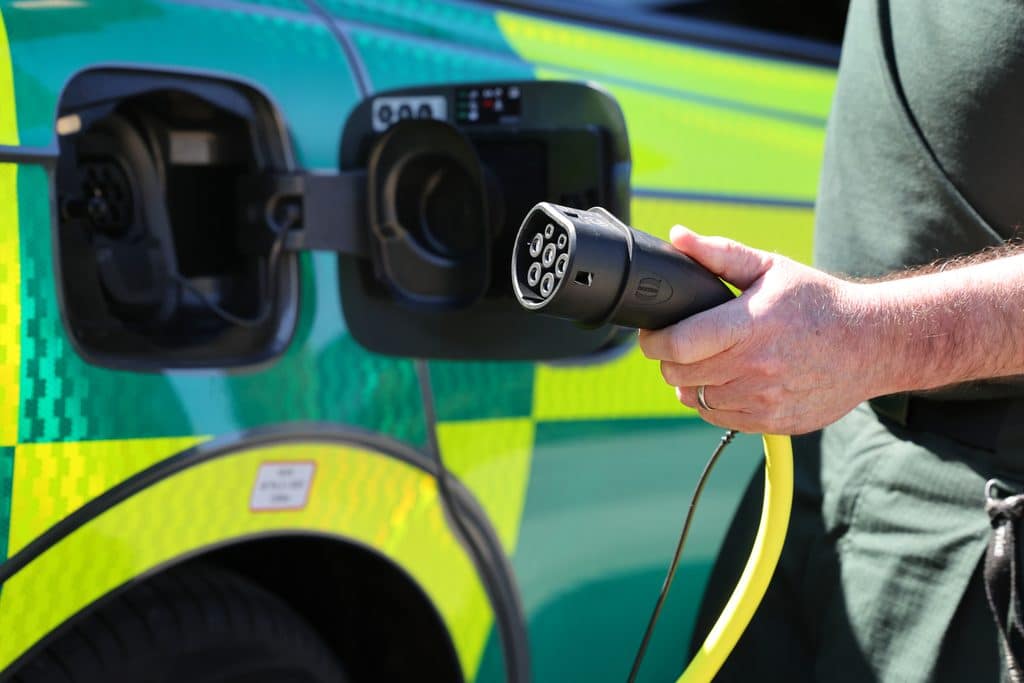
The new dual rapid charger allows vehicles to charge quickly while operating in Teesside. It joins a growing network of chargers located at ambulance stations and NHS sites throughout the North East.
Chris Chalmers, head of operations at NEAS, said reliable charging facilities are an important part of preparing for the next generation of ambulance vehicles. He added that the North Tees charger strengthens the regional network and helps NEAS prepare for future ambulance services as its EV project develops.
The charging installation is part of NEAS’s broader plans to develop the infrastructure required to support electric vehicles. It also contributes to the NHS’s long-term goal of achieving net-zero carbon emissions and creating a more sustainable health service.
Steve Taylor, director of estates for University Hospital Tees, said NEAS and the hospital have a strong working relationship and that the project builds on that partnership while helping reduce their shared carbon footprint.
Taylor said the new charger provides a reliable, high-speed charging solution for NEAS’s growing fleet of electric ambulances. He added that the infrastructure will support the transition to greener, cost-saving transportation while helping keep the vehicles operational for years to come.
NHS foundation trusts are semi-autonomous organizations within England’s National Health Service (NHS). They have greater independence from the Department of Health and Social Care, allowing them to make more local decisions and respond to community needs. Foundation trusts were created to decentralize NHS decision-making. As of March 2019, there were 151 foundation trusts operating in England.
Why Cost-Saving EV Ambulances And Emergency Vehicles Are Growing Fast Globally
Fuel prices are rising across major markets as geopolitical disruptions, constrained refining capacity, and tighter supplies push up the cost of gasoline and diesel. Brent crude has climbed above $100 per barrel, while refined fuel markets are facing particularly severe pressure.
The impact is already being felt by drivers and businesses. UK diesel prices reached a record £2 per liter on October 2, 2026, while U.S. diesel prices have also reached record levels.
Electric ambulances and other emergency vehicles are gaining momentum in the UK and around the world as fleet operators look for ways to reduce operating costs while cutting emissions.
For high-mileage emergency fleets, fuel and maintenance expenses can add up quickly. EVs can eliminate gasoline and diesel costs, while electric drivetrains generally require less routine maintenance because they have fewer moving parts and no conventional engine, transmission, or exhaust system.
Charging infrastructure is also improving. Ambulance services, hospitals, fire departments, and other fleet operators can install dedicated chargers at depots and facilities, allowing vehicles to recharge between calls or during scheduled downtime.
The economics are becoming increasingly important. Emergency vehicles need to be available around the clock, making reliability, energy costs, maintenance, and total cost of ownership critical considerations.
As battery technology, charging infrastructure, and EV platforms continue to improve, electric emergency vehicles are moving from an environmental initiative toward a practical fleet strategy. For organizations operating thousands of miles every year, reducing energy and maintenance costs can provide a powerful reason to electrify.

Electric Vehicle Marketing Consultant, Writer and Editor. Publisher EVinfo.net.
Services