Toyota Battery Center Of North America Opens At Michigan R&D Campus
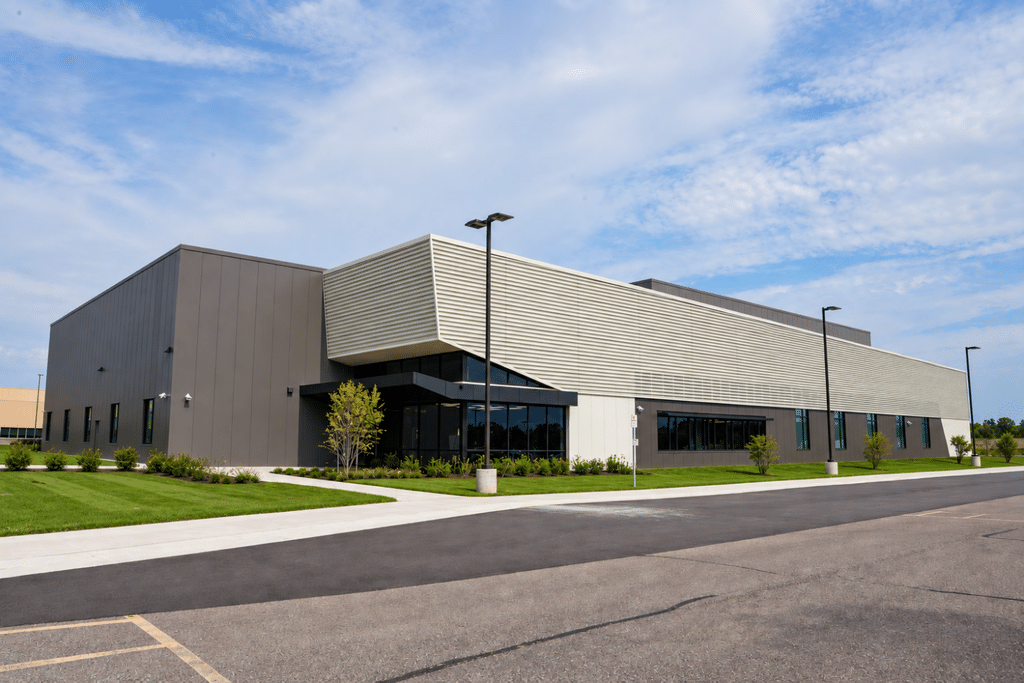
On October 1, 2026, Toyota announced it had opened the Toyota Battery Center of North America (TBC) at its Michigan research and development campus in Saline, Michigan, expanding the company’s battery testing and evaluation capabilities as it advances its electrification strategy.
The 30,000-square-foot facility provides Toyota’s Michigan-based battery teams with a central location to evaluate and develop battery technology across the full battery-development cycle, from raw-material sourcing through customer applications and recycling.
“Toyota has long been at the forefront of battery development,” said Keita Moritsu, senior vice president and chief technology officer at Toyota Motor North America R&D. “This center is where that leadership expands to North America and where we’re building its next chapter.”
The TBC will work with Toyota’s North American manufacturing network to evaluate batteries produced at Toyota Battery Manufacturing, North Carolina, as well as batteries used in Toyota vehicles manufactured throughout North America.
The new center is also the latest development in Toyota’s more than 50-year history in Michigan.
“Today is a big win for Michigan’s leadership in advanced automotive manufacturing,” said Michigan Governor Gretchen Whitmer. “We are proud to welcome this investment by Toyota that positions Michigan as the best place to build the future.”
Whitmer said the facility will develop, test, and improve batteries for the next generation of vehicles while contributing to Michigan’s automotive manufacturing ecosystem and creating high-skilled jobs.
The TBC supports Toyota’s multi-pathway approach to sustainable mobility by allowing engineers and technicians to evaluate battery performance and develop technologies for a range of vehicle applications. Work at the facility will support hybrid, plug-in hybrid, hydrogen, and fully electric vehicles.
“For Toyota customers, this facility means Toyota engineers can detect and resolve field concerns faster and closer to the source,” said Jordan Choby, group vice president of powertrain. “It also means we can develop longer-lasting batteries designed to perform in the conditions American drivers face every day.”
Toyota will provide research access to the facility through its partnership with the University of Michigan Electric Vehicle Center. The collaboration will allow additional research partners to use the center’s battery testing and evaluation capabilities.
Toyota is a founding member of the University of Michigan Electric Vehicle Center, and the company said the program reflects its commitment to developing the next generation of battery engineers and technicians in Michigan.
Toyota’s North American R&D operations have been involved in vehicle engineering projects for more than 50 years. Based in Ann Arbor, Michigan, the teams are developing next-generation vehicles and advanced mobility concepts designed to move people, goods, and information.
Toyota’s Q3 Sales Were 57% Electrified Vehicles
On October 1, 2026, CNBC reported Toyota’s EV and hybrid vehicles accounted for more than 57% of the Japanese automaker’s sales during its most recent quarter, highlighting the growing importance of electrified vehicles to the company’s business.
Toyota reported a 0.6% increase in sales for the quarter, with 633,223 vehicles sold. Sales of electrified vehicles, including hybrids, increased 28.5% to 363,367 units.
The strong performance of electrified vehicles has also helped Toyota narrow its U.S. sales gap with General Motors (GM). The difference is now less than 136,000 vehicles, compared with a gap of approximately 335,000 units for the full year last year.
Cox Automotive said earlier this year that if the sales trend continues, Toyota could potentially overtake GM as the U.S. sales leader in the coming years.

Electric Vehicle Marketing Consultant, Writer and Editor. Publisher EVinfo.net.
Services