GM Will Build Low-Cost LFP EV Batteries in Tennessee
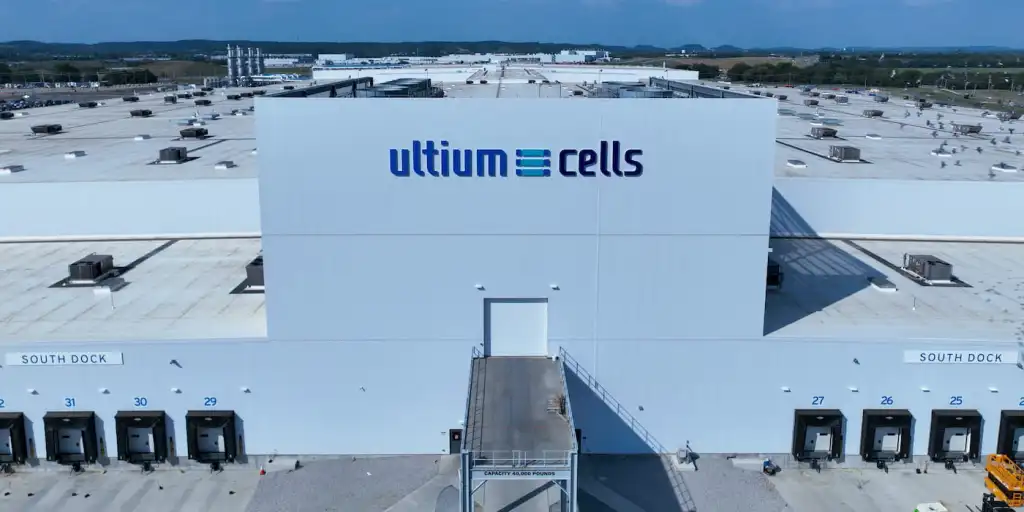
General Motors is accelerating its electric future — and this time, it’s focusing on affordability. In a major move unveiled on July 14, 2025, Ultium Cells, GM’s joint venture with LG Energy Solution, announced new upgrades to its Spring Hill, Tennessee battery plant to prepare for the production of low-cost lithium-iron-phosphate (LFP) EV battery cells.
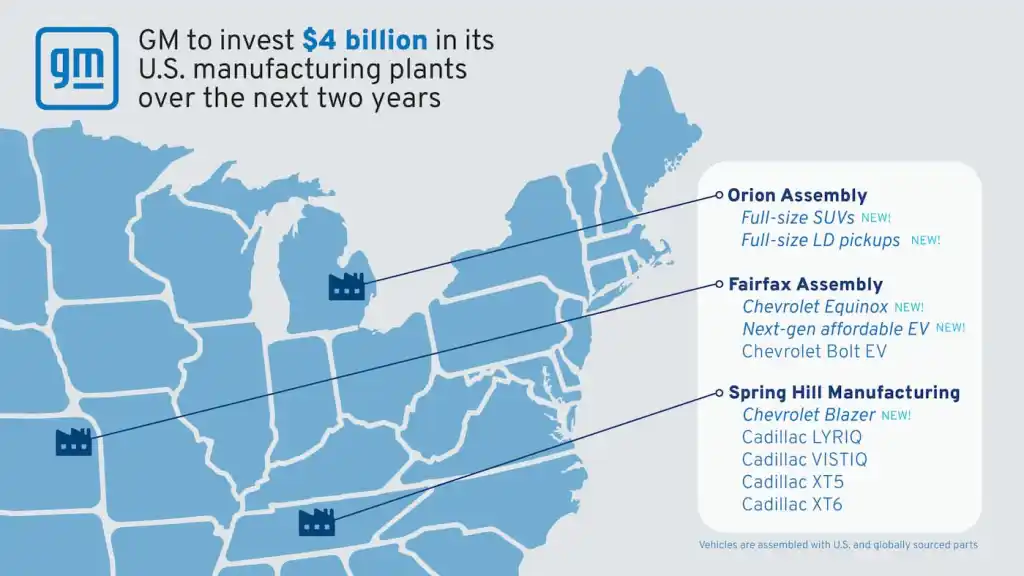
The upgrade builds on GM’s original $2.3 billion investment announced back in April 2021 to transform the Tennessee facility into a core EV and battery hub. While GM had already dubbed Spring Hill “the heart of GM’s EV strategy” in earlier plans, this latest announcement signals a new strategic phase — focused on cutting costs and expanding options for consumers.
“At GM, we’re innovating battery technology to deliver the best mix of range, performance, and affordability to our EV customers,” said Kurt Kelty, VP of batteries, propulsion, and sustainability at GM. “This upgrade at Spring Hill will enable us to scale production of lower-cost LFP cell technologies in the U.S., complementing our high-nickel and future lithium manganese rich solutions and further diversifying our growing EV portfolio.”
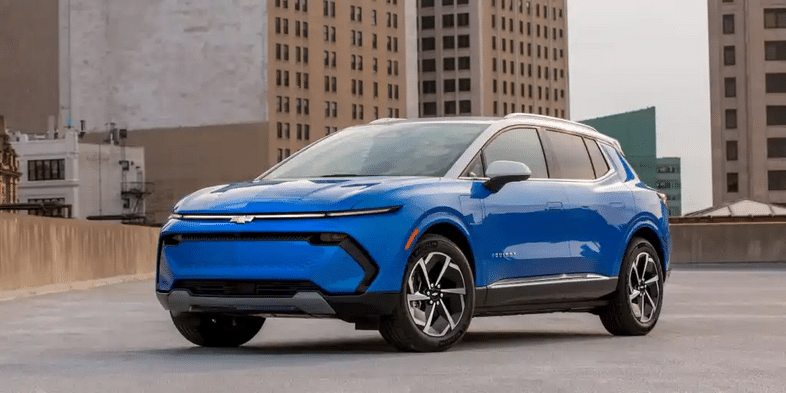
After beating out Ford and Hyundai last year to become the second-best-selling EV maker in the U.S., GM is looking to extend that lead in 2025 and beyond. The introduction of LFP batteries is a crucial part of this effort. Unlike the high-nickel chemistries currently used in many of GM’s vehicles, LFP batteries use iron and phosphate, which are more abundant and less expensive raw materials. Although LFP packs typically have lower energy density, they are known for being more stable, safer, and significantly cheaper to produce.
GM plans to start converting production lines at the Spring Hill plant later this year, with full commercial production targeted for late 2027. The company says the move will deliver “significant battery pack cost savings compared to today’s high-nickel battery packs while increasing consumer EV choice.” By integrating LFP technology, GM aims to make electric vehicles more accessible to a broader audience, supporting mass adoption and helping consumers overcome price barriers that have limited EV market growth.
“Ultium Cells’ additional investment and commitment to innovating and enhancing its Spring Hill operations is a testament to the state’s longstanding, cohesive partnerships, which started with General Motors, and grew to include LG Energy Solution in 2021, and we stand ready to continue supporting these companies and their joint venture for years to come,” said TNECD Commissioner Stuart C. McWhorter.
“We are grateful for the continued partnership and support we’ve received from the State of Tennessee as we continue to advance our lead in EV battery cell manufacturing,” said Kee Eun, President and CEO of Ultium Cells. “This investment expands our capabilities beyond a single battery cell chemistry, allowing us to produce new chemistries alongside our existing cells. Expanding our product portfolio ensures Ultium Cells will remain at the forefront of battery cell innovation and sustain our commitment to be a stable, long-term employer for the communities we serve.”
Currently, the Spring Hill facility employs around 1,300 workers and will play a pivotal role in what GM calls “the next phase” of its battery strategy. The plant’s ability to support multiple battery chemistries positions it as a flexible powerhouse in GM’s North American supply chain.
In addition to LFP cells, GM is already looking to the next innovation: lithium manganese-rich (LMR) battery chemistries. The automaker recently announced plans to become the first company to manufacture LMR prismatic cells at commercial scale, though it is still evaluating potential sites for that production. Meanwhile, GM’s Warren, Ohio battery plant will continue producing nickel cobalt manganese (NCM) batteries, which have helped power GM EVs past the 300-mile range threshold — an important benchmark in consumer acceptance.
As GM looks to the future, this shift in battery strategy underscores a fundamental transformation in the EV market: moving from premium-focused, long-range vehicles to a broader portfolio that includes more budget-friendly options. While high-nickel NCM batteries will continue to serve drivers who prioritize maximum range and performance, LFP batteries will help enable a new generation of affordable, durable electric cars — making EV ownership possible for millions more drivers.
GM’s new LFP battery push in Tennessee illustrates a broader trend: automakers racing to localize battery production to qualify for incentives and reduce supply chain risks. By investing further in domestic manufacturing, GM is strengthening its position to compete not only in North America but globally as EV adoption surges.
With Spring Hill set to become a centerpiece of GM’s evolving battery strategy, all eyes will be on how quickly — and effectively — the company can scale LFP production and deliver on its promise of affordable electrification.