EVs Were 9.1% of Passenger Vehicle Sales in July, the Largest Monthly Share on Record
Car buyers are rushing to buy new and used EVs before tariffs significantly raise all new and used vehicle prices, and federal EV tax credits expire, CNBC reported on August 8, 2025.
NBC news reported that many automakers appeared to have absorbed the tariff costs for now. But recent government data showed that retail prices for groceries, furniture and appliances started creeping up in June. GM estimated the tariffs will cost it $4 billion to $5 billion this year, and analysts expect these costs to trickle down to consumers. Foreign governments don’t pay tariffs, American consumers do. Tariffs are a tax on the American people.
Electric vehicle (EV) sales are hitting historic highs as Americans scramble to claim generous federal tax credits before they vanish at the end of September. The credits, worth up to $7,500 for new EVs and $4,000 for used EVs, have been a major driver of adoption in recent years. But new legislation will eliminate them after September 30.
The change comes far earlier than expected. Under the forward-thinking Biden administration’s Inflation Reduction Act, the incentives were set to run through 2032. Their sudden expiration is fueling a last-minute buying surge that analysts say could make the third quarter of 2025 the strongest ever for EV sales.
“People are rushing out,” Stephanie Valdez Streaty, senior analyst at Cox Automotive said to CNBC. “We’re expecting Q3 may be a record for EV sales because of the tax incentives going away.”
Sales Surge Across the Market
The numbers back up that prediction. In July, Americans purchased nearly 130,100 new EVs, the second-highest monthly total on record, trailing only the 136,000 sold last December. That’s a 26.4% jump from June and a nearly 20% increase compared to July 2024.
EV market share also reached a new milestone in July, representing 9.1% of all passenger vehicle sales, the highest monthly share ever recorded in the U.S.
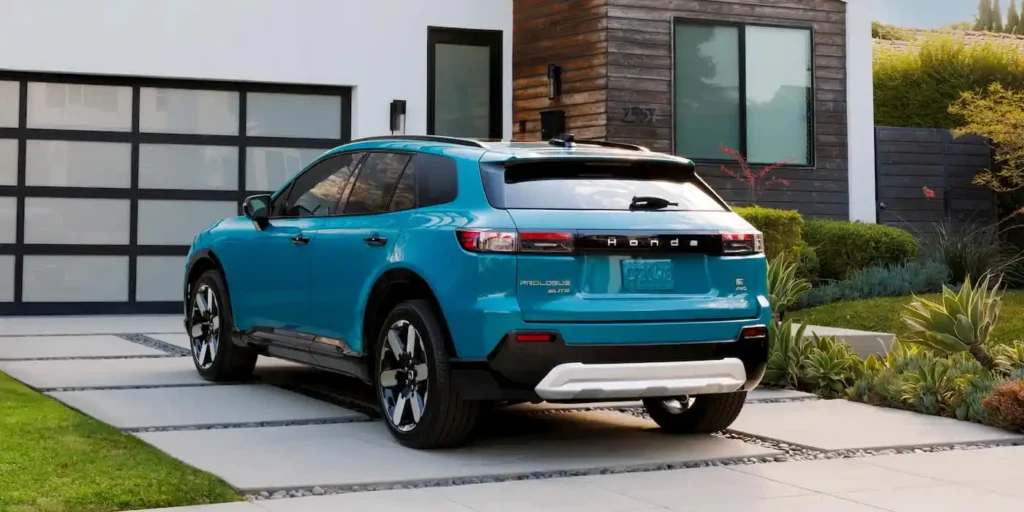
The used EV segment is also booming. Nearly 36,700 used EVs were sold in July, setting a record monthly high. Certain models have been standout performers: the Chevy Equinox EV, Honda Prologue, and Hyundai IONIQ 5 all posted record monthly sales. The Equinox EV alone moved 8,500 units, the highest monthly sales for any non-Tesla EV in U.S. history.
Tesla, meanwhile, has seen sales slow, with two consecutive quarterly declines, down 9% in Q1 and 12% in Q2 year-over-year.
“We’re seeing significant volume in new EVs,” Liz Najman, director of market insights at Recurrent, an EV marketplace and data provider, told CNBC.
Why the Rush to Buy?
Federal tax credits have been central to making EVs financially competitive with gasoline vehicles. In July, the average new EV sold for $55,689, while the average gasoline vehicle came in at $48,078, according to Cox Automotive data. With a $7,500 tax credit applied, an EV buyer’s effective price would be around $48,189, essentially matching the cost of a comparable gas-powered car.
According to CNBC, “The price gap between EVs and gasoline cars no longer exists,” wrote Tom Libby, analyst at S&P Global, in July. Removing the credits, he warned, “jeopardizes” EV price competitiveness.
EVs are the Most Eco-Friendly Transportation
These credits also serve a policy purpose. Transportation is the single largest source of U.S. greenhouse gas emissions, and shifting from gasoline to electric is a key step in cutting climate pollution. EVs, according to MIT research, are “unambiguously better” for the environment than traditional internal combustion vehicles.
Dealers Push Urgency with Incentives
Car dealers are seizing the moment to boost sales before the September 30 cutoff. To entice buyers, dealers have been offering unusually high discounts and incentives. In July, the average new EV purchase came with about $9,800 in additional dealer incentives, roughly 17.5% of the average transaction price. That’s the highest share since October 2017, before EV adoption began to accelerate.
Importantly, the September 30 deadline isn’t just for purchase agreements, buyers must take delivery and drive the car off the lot by that date to qualify.
How Will Loss of the Credit Affect EV Sales?
Analysts expect a steep drop in EV sales during the fourth quarter of 2025 once the credits vanish, as buyers adjust to higher effective prices. However, the used EV market could remain resilient. Most current used EV buyers already don’t qualify for the $4,000 federal incentive, so its expiration won’t affect them as much. With more used EVs hitting the market and new EV prices likely rising, the pre-owned segment may even grow faster in the coming months.
The roughly 9.1% share is the highest percentage dating back to October 2017, which was before the “new era of EV adoption” when monthly sales volume was quite low, Streaty told CNBC.
EV sales are likely to “collapse” in the fourth quarter of 2025, once the tax credit expires and the market adjusts to a new financial reality, Streaty said.
For now, the clock is ticking. Whether you’re eyeing a brand-new model or a used EV bargain, now until September 30 could offer the best deals you’ll see for years.
EVinfo.net’s Take: Now is the Time to Go New or Used EV
If you’ve been considering getting a new or used EV, now is the time, before federal EV tax credits expire and tariffs raise all new and used EV, hybrid and ICE prices.
We disagree with Streaty’s statement that EV sales are likely to “collapse” in the fourth quarter of 2025. We predict that there will be another EV sales growth slowdown after credits are cut, but by no means will it be a “collapse,” but rather just another sales growth slowdown, which we have seen many times before. Not a big deal at all.
I purchased an EV and got into the EV business because of being a lifelong environmentalist. Every major environmental organization worldwide supports EV adoption. The American Lung Association also supports EVs, because of the cleaner air they provide.
However, the significant cost-savings that EVs provide over time is what will move the needle for most new adopters, as the eco-conscious crowd has mostly already adopted. See how much you can save with EV savings calculators at “Electric for All” by Veloz.
When I bought a 2024 used EV recently, I didn’t get the federal credit, as used EVs must be three years old to qualify. However, I did get a $1,000.00 rebate from SDG&E, my utility provider. The Center for Sustainable Energy handles the SDG&E rebates.
When considering your purchase, check Kelley Blue Book’s Electric Car Rebates and Incentives: What to Know by State. Many buyers are enjoying multiple rebates and incentives on their purchase.

Electric Vehicle Marketing Consultant, Writer and Editor. Publisher EVinfo.net.
Services