Dealer Lawsuits Loom Over Scout’s EV Plans
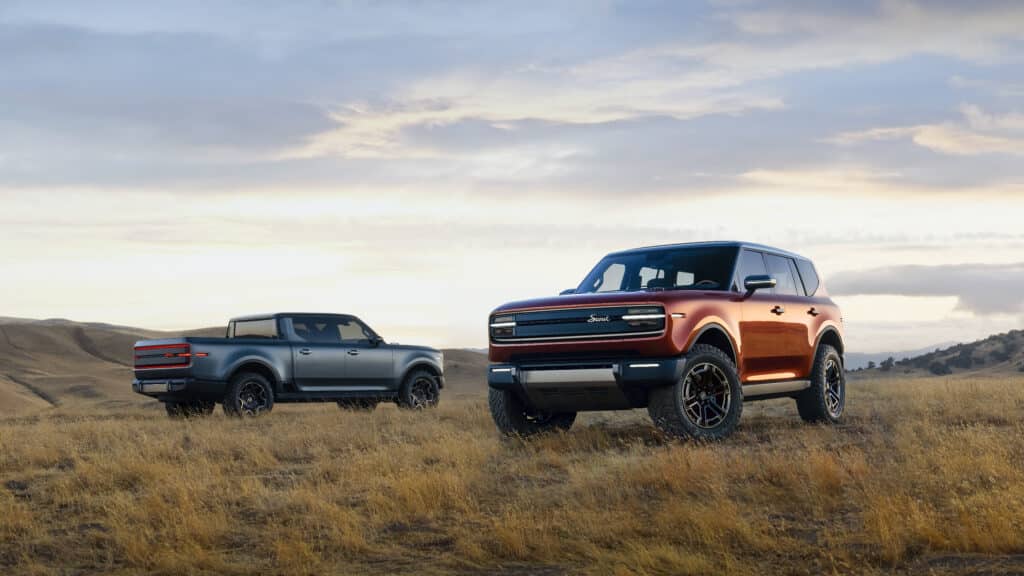
Scout Motors, the iconic American electric vehicle (EV) brand backed by Volkswagen, is poised to make a significant impact on the off-road EV market with its upcoming releases. The company has unveiled two rugged EVs: the Scout Traveler SUV and the Scout Terra pickup truck.
These vehicles are designed to blend retro styling with modern electric performance, catering to enthusiasts seeking adventure-ready EVs. However, recently announced lawsuits by auto dealers are casting shadows over Scout’s bold EV plans. The automaker plans a direct-to consumer sales model, cutting out traditional dealers. Adventure-focused competitor Rivan follows that model currently, selling its EVs directly to consumers.
The Scout Traveler SUV, expected to launch as a 2028 model, will feature an electric powertrain with all-wheel drive, delivering up to 1,000 lb-ft of torque. It boasts a 350-mile range on a single charge, with an optional gasoline-powered range extender increasing the total range to over 500 miles. The Traveler is equipped with off-road capabilities, including 35-inch tires, mechanical locking differentials, and a disconnecting front sway bar, making it suitable for various terrains.
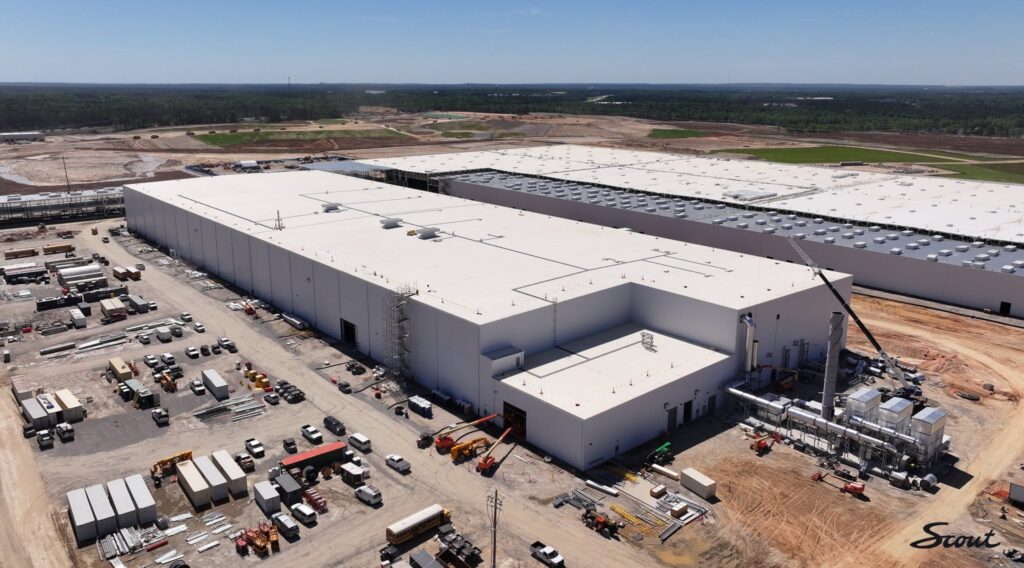
The Scout Terra pickup truck is designed for those needing robust utility and performance. It offers similar electric powertrain options and off-road features as the Traveler, with a towing capacity of up to 10,000 pounds. Both models will be built on dedicated platforms, ensuring optimal performance and durability. Production is slated to begin in 2027 at Scout’s new $2 billion manufacturing facility in Blythewood, South Carolina.
Both the Traveler and Terra will be available with an optional extended-range electric vehicle (EREV) energy system, featuring a small gasoline engine that acts solely as a generator to recharge the battery, addressing concerns about EV range limitations. Scout plans to sell these vehicles directly to consumers, bypassing traditional dealerships, with an estimated starting price under $60,000.
With these upcoming models, Scout Motors aims to revive the legacy of the classic International Harvester Scout, offering modern electric solutions for off-road enthusiasts. The combination of rugged design, advanced technology, and sustainable powertrains positions Scout as a formidable competitor in the evolving EV market.
At IAA Munich, Scout CEO Scott Keogh Said the Direct-Sale Model Is Best for Scout
The Terra, which made a striking appearance at IAA Munich, embodies the American appetite for large, commanding vehicles.
IAA Munich is the International Motor Show Germany or International Mobility Show Germany, in German known as the Internationale Automobil-Ausstellung (IAA – International Automobile Exhibition). It is one of the world’s largest mobility trade fairs.
Unlike other Volkswagen Group brands, Scout plans to sell directly to customers rather than through traditional franchised dealerships, a Rivian-style approach that CEO Scott Keogh says will strengthen the brand’s connection with buyers.
“If you look at 21st century brands and what they’re able to deliver, that’s what they do,” Keogh told reporters at the VW Group’s press conference earlier this week. “We can create the stores and we can create the brand experience,” he said, likening the buying process to Rivan’s direct to consumer sales model.
The company is building a new factory in South Carolina, and while Scout has no immediate plans to launch in Europe, its Munich debut allowed it to showcase its vehicles to the global press and emphasize its vision for the U.S. market.
Scout’s direct-sales strategy faces legal hurdles. Dealer groups in Florida and California have filed lawsuits claiming Scout and Volkswagen have violated contract laws by bypassing traditional dealerships. Keogh remains confident, pointing out that historically, many dealers have been reluctant to sell EVs, inadequately trained their staff, and lobbied against EV-friendly policies. He argues that building a direct relationship with consumers not only enhances brand loyalty but also provides new revenue opportunities through trade-ins and service.
Reporters asked Keogh about the upcoming dealer lawsuits. He seemed confident Scout would prevail.
“I’m quite clear on this front,” Keogh said. “This is the right strategy. You have to do it right for the consumer, and America likes a business that can compete and challenge and innovate… it’s a lot of noise.”
There is “intrinsic value in having the data, and owning the relationship to the customer,” Keogh said. “If you don’t own the relationship to the customer, what exactly do you have? You’ve got the factory and you’ve got all the costs. You don’t have all the optimization on that front,” Keogh continued.
By navigating these legal challenges, Scout Motors aims to carve out a strong presence in America’s large SUV and truck market, an area where Volkswagen has previously struggled, while positioning itself alongside Rivian, Lucid and other competitors as a strong new player in the rapidly growing EV sector.
EVinfo.net’s Take
Scout’s South Carolina plant is another great example of how the valiant EV industry is bringing tremendous job and economic growth to states. It is vital that the federal and state governments support these efforts.
Most dealers have struggled to sell EVs. Some critics of dealers claim that dealers oppose EVs because EVs need far less service. The need for far less maintenance is one reason EVs are cheaper to own over time, compared to ICE (internal combustion engine) vehicles and hybrids. Another reason EVs are cheaper is gas refueling costs are higher on average than charging costs.
EVinfo.net believes both the direct-to-consumer and traditional dealership model can co-exist in our electric transportation future. However, if dealerships want to survive, they must drastically step up efforts to create EV-friendly dealerships, for example installing charging and mandatory education of all staff on EV basics.

Electric Vehicle Marketing Consultant, Writer and Editor. Publisher EVinfo.net.
Services