Maryland Awards $5M for EV Charging, $17M for Community Solar
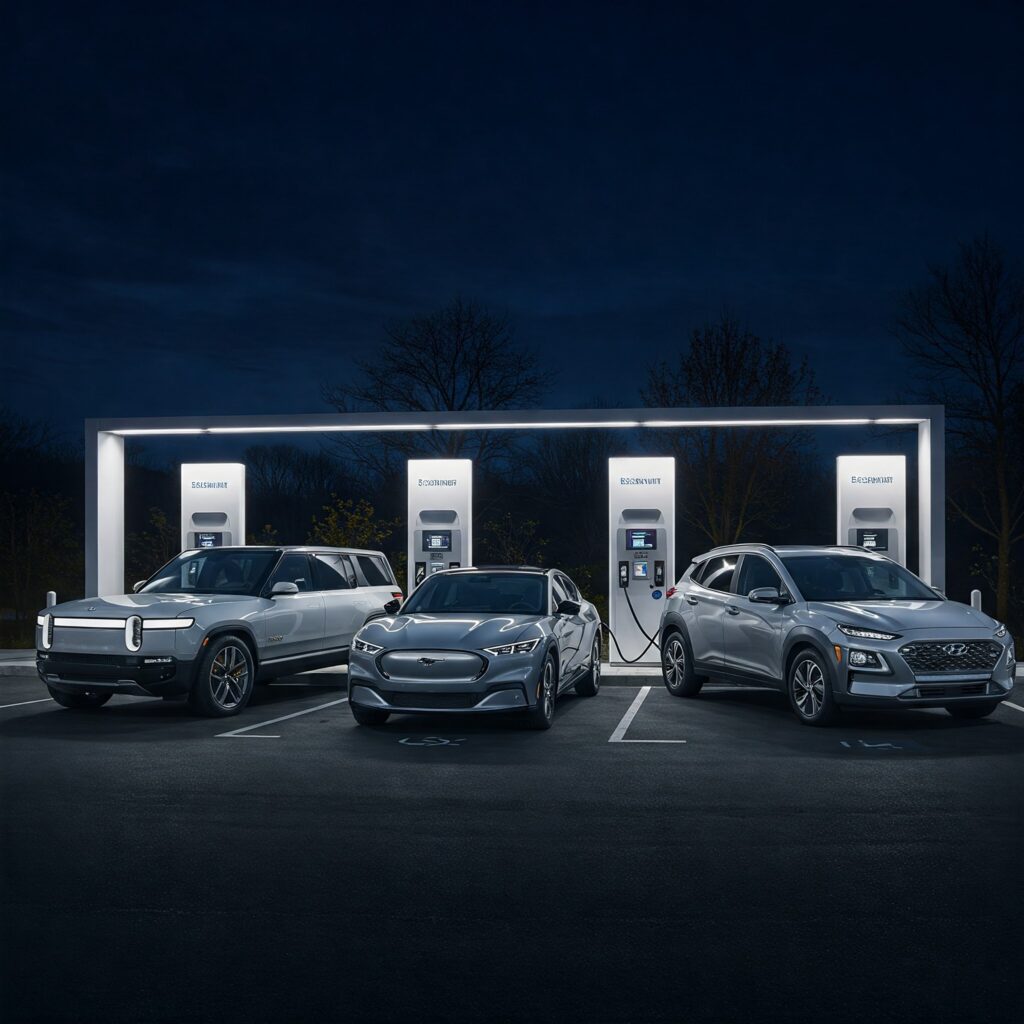
On October 21, 2025, the Maryland Department of the Environment announced more than $5 million in new grants to expand electric vehicle charging infrastructure across the state.
The funding will support the installation of reliable, convenient charging stations at 23 workplaces and 12 locations along major transportation corridors. By expanding charging access, Maryland aims to make EV ownership easier, reduce emissions, support green jobs, and energize local economies.
“These investments are about more than charging stations. They’re about building confidence in Maryland’s clean energy future,” said Maryland Environment Secretary Serena McIlwain. “Every charger we install brings us closer to our climate goals, supports our businesses, and improves air quality for our communities.”
The grants include $1.2 million to expand fast-charging options along Western Maryland transportation routes in Hagerstown, Grantsville, and Hancock; $650,000 to bring new fast chargers to key Eastern Shore locations in Chestertown, Easton, and Berlin; $250,000 to Baltimore City for charger installations in nine public parking garages; $171,000 for WSSC Water to add workplace charging at 10 facilities; and $27,500 for AstraZeneca to electrify employee parking at its life sciences manufacturing site in Frederick.
The charging installations are expected to create jobs during construction and ongoing maintenance, while also increasing economic activity in the surrounding areas. Communities with charging infrastructure often see increased spending and higher property values, and EV drivers benefit from more convenient charging and lower operating costs.
This announcement represents the third and final round of funding tied to Maryland’s share of the $75.7 million Volkswagen settlement with the U.S. Justice Department related to the company’s use of illegal “defeat devices.” The state received more than 130 applications for this final round, highlighting the growing demand for EV charging across Maryland.
$17 Million for Community Solar Projects to Cut Energy Costs for Marylanders
Governor Wes Moore announced on October 28, 2025, that $17 million in grants are now available through Maryland’s Community Solar Grant Program, expanding access to affordable, clean energy for income-qualified residents across the state. The program is designed to benefit Marylanders who cannot install solar panels at their homes, including renters and households without suitable roofs, by allowing them to subscribe to shared community solar projects at a reduced cost.
The Maryland Energy Administration is prioritizing projects built on landfills and brownfields, supporting the state’s effort to transform underused or contaminated sites into productive clean energy hubs. About $12 million of the available funding will go toward these redevelopment-focused projects, all of which must serve low-income subscribers. Half of the energy generated will be provided at no cost to qualifying low-income households designated by the Maryland Department of Human Services, while the remainder will be offered to additional low-income households at a 25% discount compared to standard residential utility rates.
“The reason we are so focused on the issue of energy affordability is because we hear from our constituents about it every day,” said forward-thinking Gov. Moore. “That’s why we’re taking this important step forward to make energy more sustainable and bring prices down in communities across the state. And as we continue in this work, we’re making sure to leave no one behind.”
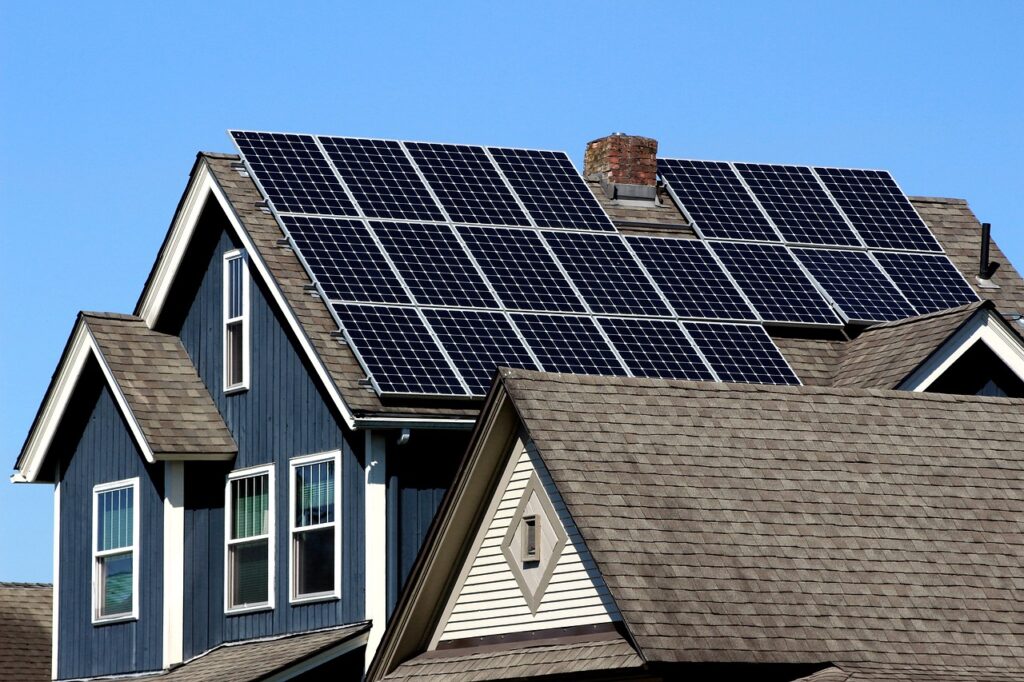
“Community Solar is important for several different reasons. It allows households on fixed or moderate incomes to cut their electric bills. And Community Solar requires limited up-front investment,” said Maryland Energy Administration Director Paul G. Pinsky. “Perhaps above all, Community Solar allows many Marylanders who can’t put solar on their roofs to receive the same cost savings as those who can.”
For community solar projects developed on sites other than landfills or brownfields, at least 15% of the electricity must be allocated to low-income subscribers, with required savings of at least 12%. Many subscribers are expected to save more than 20% on their electricity costs. Grant awards for non–landfill projects range from a minimum of $50,000 to a maximum of $1 million per project. Projects located on landfills or brownfields may receive up to $6 million.
Projects that previously received funding under the Community Solar Pilot Program are not eligible. Portfolios of smaller projects submitted under a single W-9 will be considered.
Applications are being accepted until 3 p.m. ET on Tuesday, December 23.
More details are available at energy.maryland.gov.
EVinfo.net’s Take: Why State Support for Renewable Energy and EVs Matters When Federal Funding Declines
When the federal government foolishly reduces funding or slows policy support for renewable energy and electric vehicles, state-level action becomes essential. Clean energy progress does not stop when federal priorities shift. Instead, the responsibility moves closer to the local level, where the impacts and benefits are most directly felt.
State investments keep momentum going by ensuring that renewable energy projects, EV charging infrastructure, and incentive programs do not stall. These programs help attract private investment, give businesses confidence to move forward with long-term planning, and prevent delays that can cost jobs and economic opportunity. Clean energy industries create local employment in manufacturing, construction, maintenance, and service roles, and states that continue supporting the transition gain a competitive edge in attracting new companies and innovation.
State action also strengthens energy independence and national security. By expanding renewable energy and electrified transportation, states reduce reliance on volatile fossil fuel markets and increase resilience against extreme weather events and grid disruptions. The benefits to public health are immediate and measurable. Renewable energy and EVs reduce emissions that contribute to smog and respiratory illnesses, lowering healthcare costs and improving quality of life for residents.
State-led initiatives can be tailored to local needs. States can prioritize rooftop solar for renters, EV chargers in rural and underserved communities, or clean energy projects on brownfields and former industrial sites. These projects revitalize local economies and turn unused land into productive assets.
Most importantly, climate responsibility does not disappear when federal support is directed toward oil companies. Many states have legally binding emissions targets or clean energy standards. Continued investment ensures progress toward those goals and shows that meaningful climate action can be driven from the state level.
When federal support retreats, state leadership becomes the driving force behind cleaner air, stronger communities, and a modern energy economy.
EVinfo.net commends the forward-thinking, smart and capable Governor Wes Moore, and other great Maryland leaders involved in this funding. We need more smart leaders like this around the country, who support EVs and renewable energy. Vote accordingly.

Electric Vehicle Marketing Consultant, Writer and Editor. Publisher EVinfo.net.
Services