Lexus Canceled Its First Electric SUV, but a New Lexus EV Is Launching in 2026
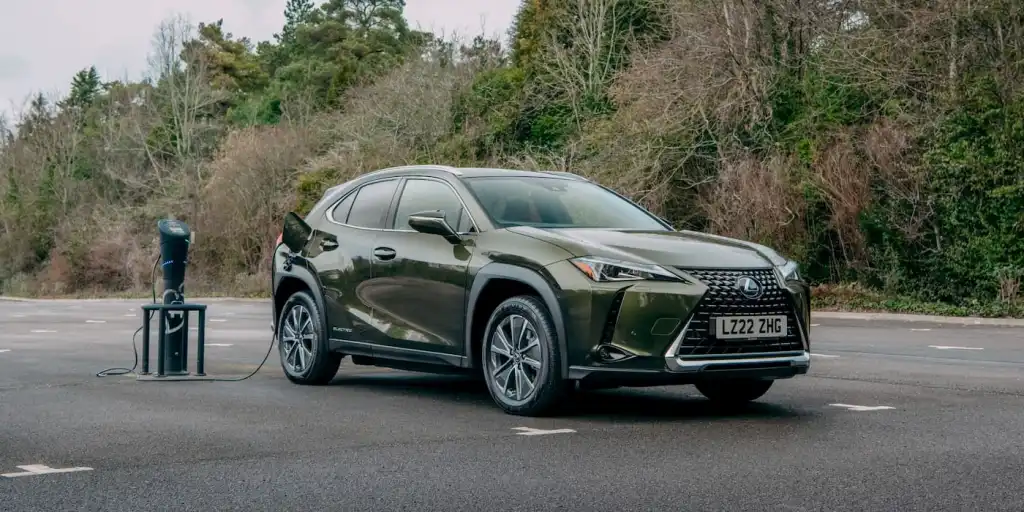
Lexus has discontinued the UX 300e, its first fully electric vehicle, leaving the RZ as the brand’s only EV for now. The UX 300e launched in Europe and China in 2020, followed by Japan in early 2021, but was never sold in North America. After Lexus quietly removed it from its UK website, a spokesperson confirmed to Auto Express that the model was “removed from sale in late 2025,” without giving a reason.
The numbers tell the story: fewer than 3,400 units were sold in the UK since 2021. The UX 300e’s 54.3 kWh battery delivered just 186 miles of WLTP range, and its outdated CHAdeMo charging standard left it outpaced by newer competitors. The hybrid UX 300h remains on sale.
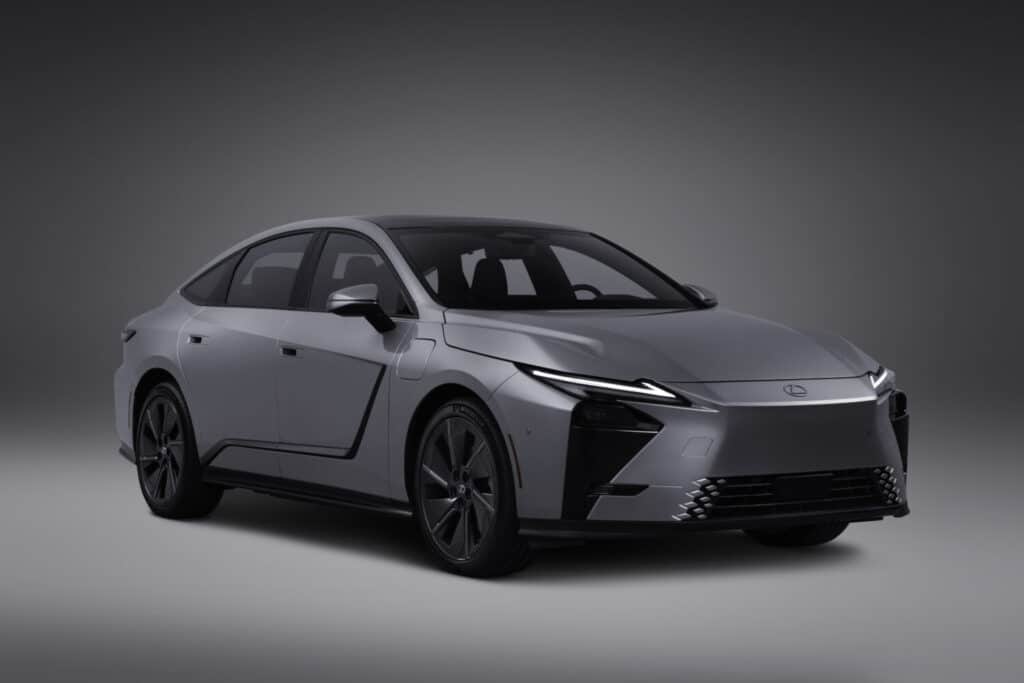
The discontinuation comes as Lexus prepares a more competitive EV lineup. The all-electric 2026 Lexus ES arrives later this spring in two variants: the front-wheel-drive ES 350e, targeting 300 miles of US range and 426 miles on the WLTP scale, and the all-wheel-drive ES 500e, with an estimated 250 miles US range and 379 miles WLTP. Lexus also refreshed the 2026 RZ with more range, a new F-Sport trim, and other upgrades.
Compared to the outgoing model, the 2026 ES is 6.5 inches longer overall, with a wheelbase stretched by 3 inches, and features a dramatically updated exterior with sharper styling, a deeply creased hood, and lower aerodynamic bodywork along the sides.
Both models adopt a NACS charging port and can charge from 10 to 80 percent in around 30 minutes on a DC fast charger, supported by an 11-kW onboard AC charger for Level 1 and Level 2 home charging.
Inside, Lexus describes the cabin as “simple and clean,” featuring 3D-printed simulated bamboo with ambient LED illumination, a 12.3-inch instrument cluster set low to contribute to an open feel, and a large glass area for generous outward visibility. A 14-inch infotainment touchscreen joins the instrument display, while the 2026 ES also debuts Lexus Safety System+ 4.0, the brand’s next-generation suite of advanced driver assistance systems featuring updated hardware and enhanced detection capabilities. First units are expected to arrive at US dealerships in mid-2026, with the base ES 350e anticipated to start at around $55,000.
EVinfo.net’s Take: Toyota Finally Got Serious About EVs, and the Lineup Proves It
For years, Toyota was the easy target in conversations about electric vehicles. While competitors raced to electrify their lineups, the world’s largest automaker seemed content to defend hybrid technology and drag its feet on battery electrics.
While GM, Ford, Hyundai, and Kia were rolling out compelling battery electric vehicles with real-world range and modern features, Toyota’s North American EV catalog was essentially one model: the bZ4X, a crossover that arrived to a lukewarm reception and was briefly recalled weeks after launch due to wheel detachment concerns. It was not a strong debut.
Lexus, Toyota’s luxury arm, had its own struggles. The recently cancelled UX 300e, its first fully electric vehicle, launched in Europe and Japan but never made it to North America at all.
The Turnaround Is Tangible
What’s different now is not a press release or a promise. It’s actual product.
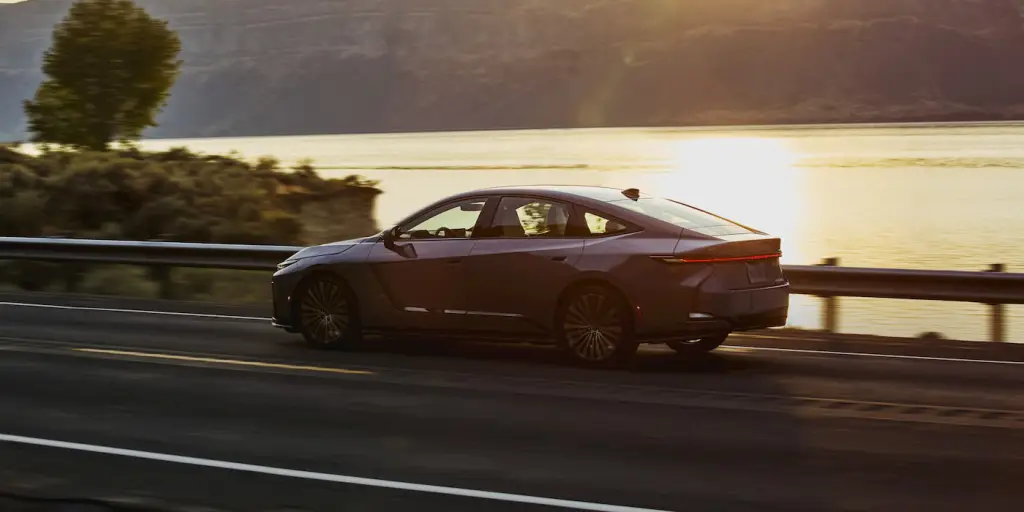
Lexus is launching the all-electric 2026 ES sedan in two variants this spring. Toyota itself is going further. Four new electric SUVs are in the pipeline, headlined by a three-row electric Highlander targeting US availability by the end of 2026.
A three-row family SUV is precisely the kind of vehicle that converts hesitant buyers, people who love the idea of going electric but assumed it meant sacrificing practicality.
In Europe, Toyota is expanding with the updated bZ4X alongside the C-HR+ and Urban Cruiser, broadening its reach across different price points and use cases.
Toyota’s smart moves, along with many other factors, mean that mass EV adoption is coming soon to North America. EVs provide cleaner air to all and lower costs to drivers.

Electric Vehicle Marketing Consultant, Writer and Editor. Publisher EVinfo.net.
Services