Lucid Details Upcoming Robotaxi, Midsize Platform and Path to Profitable Scale
Lucid Group used an investor day in New York to lay out a detailed financial and product strategy centered on scaling its business, reducing costs, and building toward profitability and positive free cash flow. The company announced the news on March 12, 2026.
The centerpiece of the announcement is Lucid’s upcoming Midsize platform, which the company has engineered from the ground up to deliver vehicles starting below $50,000 while maintaining the range, efficiency, performance, and driving character the brand is known for. The platform will underpin three consumer models, the first two of which are the Lucid Cosmos and Lucid Earth. Both are SUVs. The Cosmos is designed around efficiency, space, and performance, while the Earth targets buyers with a more adventurous orientation. Details on the third Midsize consumer model will be shared at a later date.
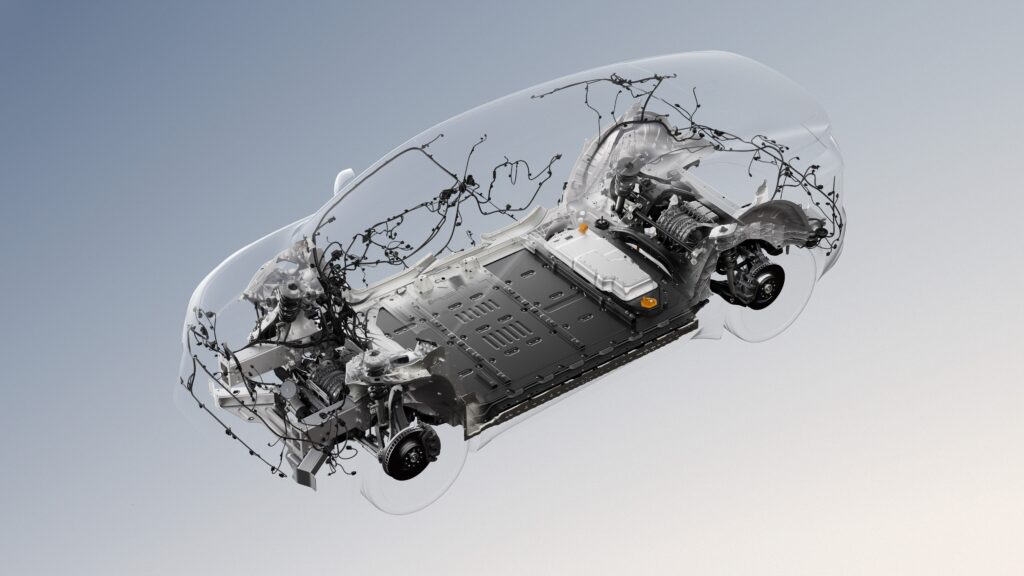
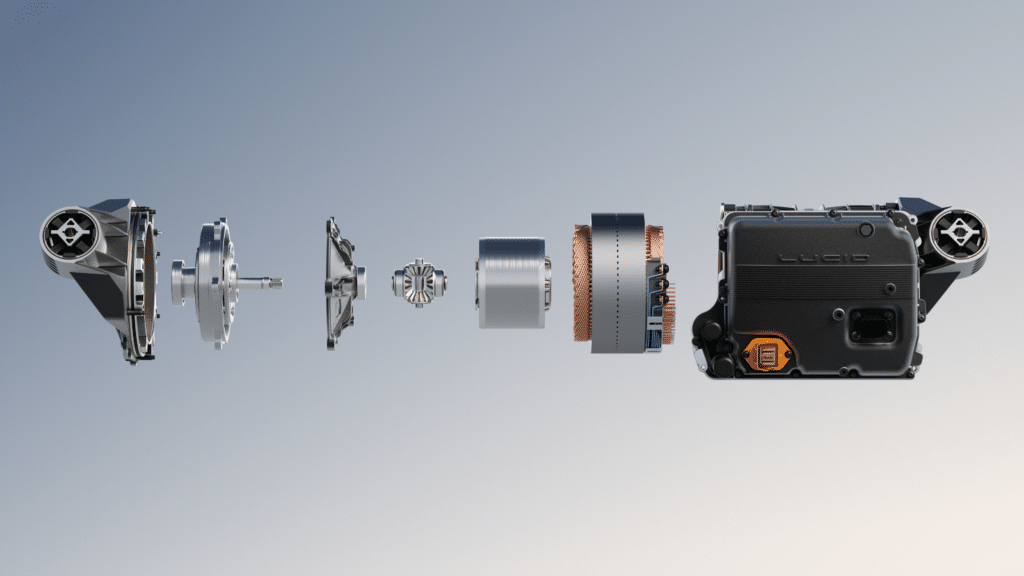
At the core of the Midsize platform is Atlas, a new electric drive unit developed entirely in-house. Atlas features identical front and rear housings and mounts, a design choice that simplifies manufacturing and reduces cost. Lucid also highlighted its broader design-for-manufacturing philosophy, pointing to the elimination of traditional beltline door moldings as one example of how the company is reducing part count, assembly time, and cost simultaneously.
Lucid’s efficiency advantage plays a direct role in its cost structure. Because its powertrains are among the most efficient in the industry, the company can deliver competitive range with smaller battery packs. Since batteries represent roughly 30 to 40 percent of an electric vehicle’s total cost, that efficiency translates into a meaningful structural cost advantage at scale.
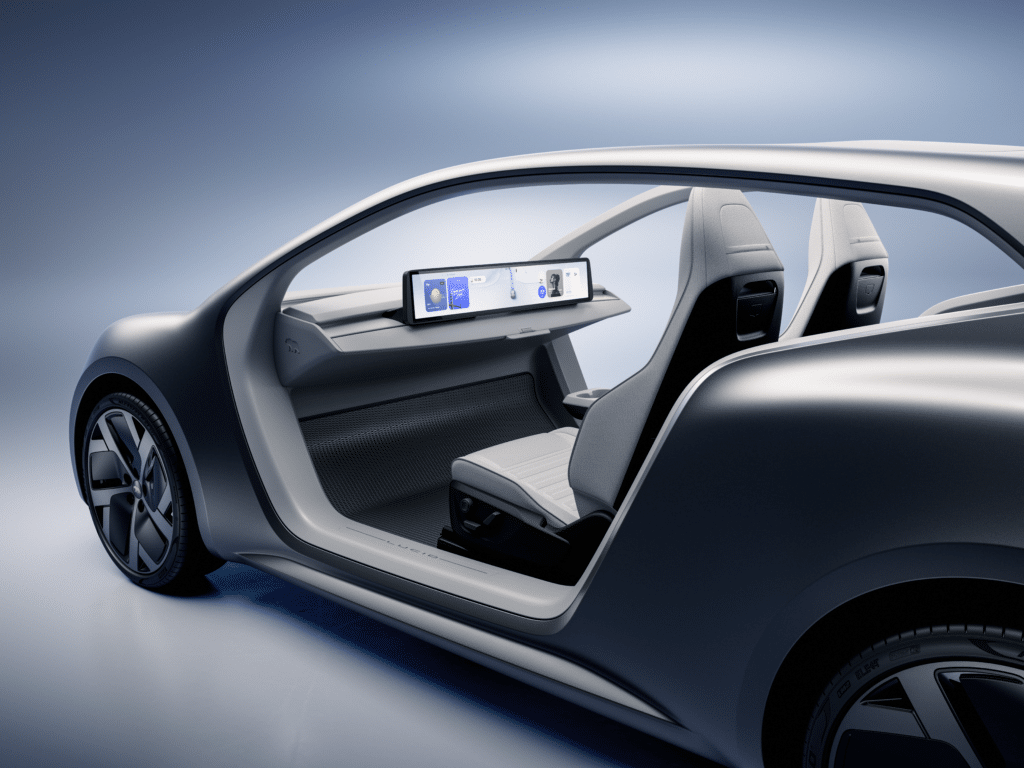
Alongside the Midsize platform reveal, Lucid introduced Lunar, a purpose-built two-seat robotaxi concept also based on the Midsize architecture. Lunar is designed to maximize efficiency, vehicle utilization, and lifetime operating economics. The company described it as still in the concept phase, but framed it as a signal of how the Midsize platform could support future autonomous and commercial applications.
On the commercial side, Lucid highlighted advanced discussions with Uber to finalize a deployment agreement for Midsize platform vehicles. The initial scale is expected to be comparable to the existing Gravity robotaxi program, with the intention to grow over time. Uber CEO Dara Khosrowshahi cited Lucid’s efficiency, autonomy-ready vehicle architectures, and customer focus as reasons for confidence in the partnership.
The broader profitability strategy rests on four pillars: scaling the Midsize platform to increase addressable market and spread fixed costs, reducing bill of materials through engineering and manufacturing efficiency, diversifying revenue through software, services, platform licensing, and robotaxi partnerships, and maintaining capital-efficient deployment across all of the above. In 2026, the company’s near-term focus remains on expanding Lucid Gravity, advancing software offerings, and continuing cost reduction initiatives while exercising strict capital allocation discipline.