U.S. EV Sales in Q3 2026 Hit Highest Volume in a Year
The U.S. electric vehicle market recorded its strongest quarterly performance in a year during the third quarter of 2026, with 262,649 EVs sold, according to Kelley Blue Book estimates from Cox Automotive. Sales increased 6.1% from the second quarter, marking the highest quarterly total since Q3 2025.
EV sales fell 39.5% year over year, reflecting a difficult comparison with Q3 2025, when buyers rushed to take advantage of expiring federal incentives and pushed sales to a record high. Despite the annual decline, the latest figures indicate the market is recovering from its sharp correction.
EVs accounted for approximately 6.4% of new-vehicle sales in Q3, up from 5.8% in Q2. Including conventional hybrids and plug-in hybrid vehicles, nearly 25% of all new vehicles sold during the quarter were electrified.
“What we’re seeing now is a market finding its footing again,” said Stephanie Valdez Streaty, director of Industry Insights at Cox Automotive. She cited improving sales throughout 2026, competitive pricing, compelling new products and gasoline prices above $4 per gallon as factors supporting EV demand.
On October 13, 2026, AAA reported the current U.S. average gas price at $4.3413, with a year-ago average of $3.0821. The diesel average for October 13 was reported at $6.2787, with a year-ago average of $3.6533.
Nearly every automaker recorded lower EV sales than a year earlier, but several brands posted substantial gains. Toyota and Lexus nearly quintupled their combined EV sales, while Rivian sales increased 46% and Subaru sales grew 31%, supported by an expanding electric lineup.
Tesla remained the dominant U.S. EV manufacturer despite a 20% year-over-year sales decline. The company accounted for more than half of all U.S. EV sales during Q3. Its established Model Y and Model 3 continued to drive demand, representing 69% and 28% of Tesla’s quarterly sales, respectively.
The results suggest the U.S. EV market is beginning to stabilize as automakers adjust strategies, consumers consider a broader selection of electrified vehicles, and elevated gasoline prices strengthen the economic case for electric driving.
However, the 6.4% EV market share remains well below the more than 10% achieved in Q3 2025, highlighting the challenge of sustaining growth after federal incentives expire.
Read the Q3 2026 Kelley Blue Book EV Sales Report.
Cox Automotive is a global automotive services and technology provider whose brands include Kelley Blue Book, Autotrader, Manheim, Dealertrack and Cox Fleet. The company employs more than 29,000 people across four continents and is a subsidiary of privately owned Cox Enterprises.
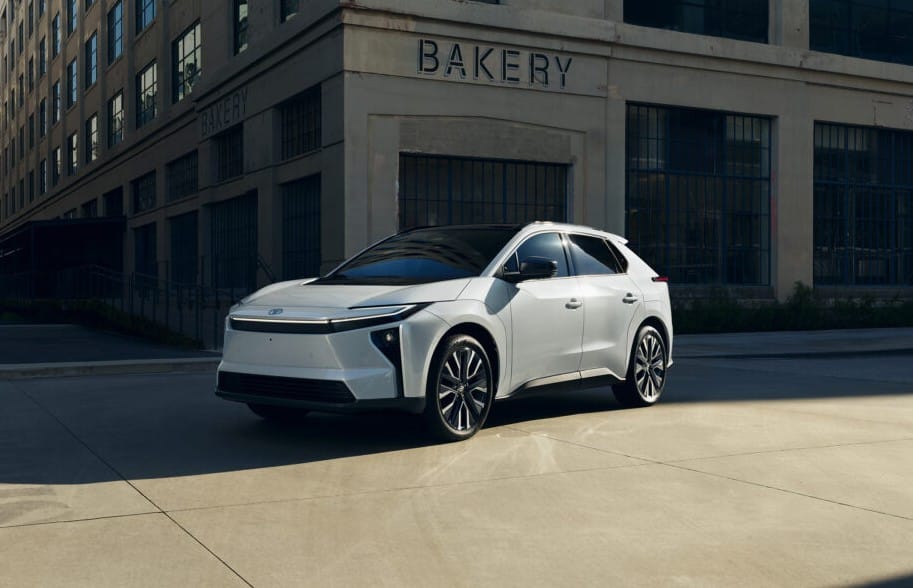
EVinfo.net’s Take: EV Sales Are Rebounding In America As Gas Prices Rise And EV Barriers Fall
Electric vehicles are selling again in the United States as skyrocketing gasoline prices strengthen the economic case for going electric. At the same time, several longstanding barriers to EV adoption are shrinking, making electric vehicles more accessible and practical for American drivers.
Public charging infrastructure is expanding rapidly, giving drivers more options for charging away from home. EV prices are becoming more competitive, while newer models offer longer driving ranges, faster charging speeds and improved technology. Charging networks are also becoming more capable, helping reduce concerns about finding reliable charging on road trips.
These improvements are changing the EV ownership experience. Drivers can travel farther, spend less time charging and choose from a growing range of electric vehicles at increasingly competitive prices. Rising gasoline costs further highlight the potential savings from driving electric.
Although affordability, charging access and consumer education remain challenges, the market is evolving. As EV technology improves and infrastructure expands, fewer reasons remain for drivers to stick with gasoline-powered vehicles.
America’s EV transition is not over. Higher fuel prices and continuing improvements in electric vehicles are helping accelerate adoption. This can continue, provided automakers, charging providers and policymakers continue addressing the remaining barriers.

Electric Vehicle Marketing Consultant, Writer and Editor. Publisher EVinfo.net.
Services