EV Adoption Has Quadrupled Over the Past 3 Years in Michigan
Bridge Michigan reported on June 25, 2025, that EV (electric vehicle) adoption in Michigan has quadrupled in the last three years, but the state remains far behind Gov. Gretchen Whitmer’s ambitious target of 2 million EVs on the road by 2030.
According to new Secretary of State data, Michigan has 85,666 registered electric vehicles, up sharply from 20,001 in 2022. Plug-in hybrid registrations have also grown, reaching 18,141, compared to 12,431 two years ago. Much of that growth has come in just the past year, with the state reporting 35,931 new EV registrations since June 2024, which is a 72% increase.
Experts point to federal incentives, such as the federal EV tax credit expiring at the end of September, as well as manufacturer perks like free or low-cost home chargers for driving the surge. Automaker programs have helped lower one of the biggest barriers to adoption: upfront cost. Ford, GM, and Stellantis all offer home charging incentives or public charging credits to new EV buyers.
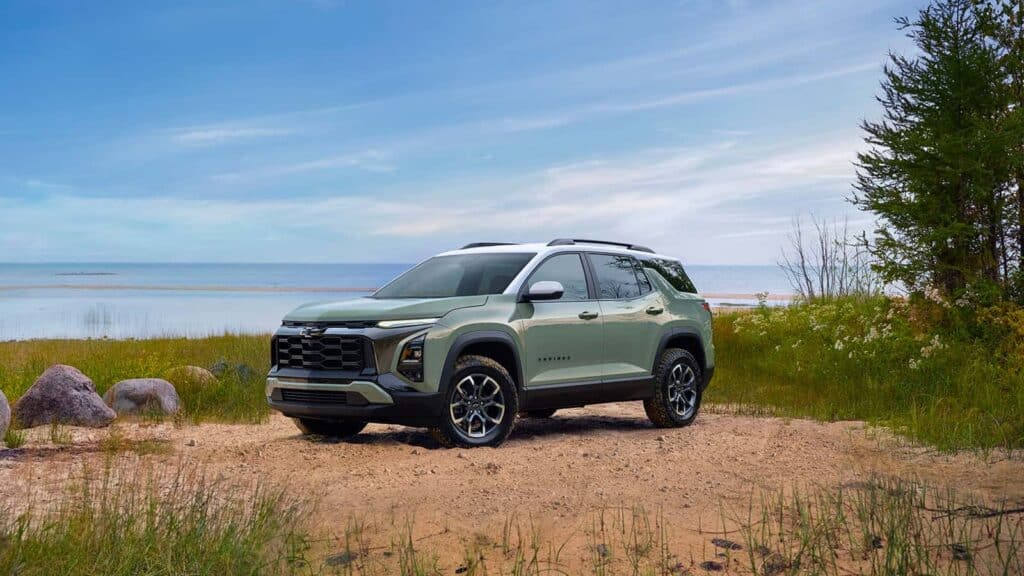
General Motors offers its customers a $500 credit for public charging stations. Stellantis customers are able to choose between a home charging unit or $600 in charging credits when they buy a new Stellantis battery-electric vehicle. Ford’s Power Promise offers those who purchase or lease a new 2025 F-150 Lightning, Mustang Mach-E, or E-Transit Cargo Van from a participating Ford dealer now until 9/30/2025 one complimentary home charge station with complimentary home installation (excludes permitting costs and fees, if applicable); or $500 bonus cash.
Still, EVs make up just 1% of Michigan’s 8 million vehicle registrations. High sticker prices, misinformation about costly battery repairs, and persistent range anxiety continue to deter many drivers. An electric vehicle (EV) battery typically comes with a manufacturer warranty lasting 8 years or 100,000 miles, whichever comes first, and batteries so far have rarely needed repair outside of warranty.
Bridge Michigan reported that a recent AAA survey shows waning national interest, with only 16% of U.S. drivers “likely” or “very likely” to buy an EV, down from 25% in 2022.
Whitmer’s MI Healthy Climate Plan hinges on scaling public charging infrastructure to support her 2 million EV goal. But progress has been slow, and federal funding for charging stations, approved under forward-thinking President Joe Biden, was frozen under the current administration in January, and only recently restored. Whitmer has pushed for state-level rebates and tax credits, but lawmakers have repeatedly blocked those measures.
Cost savings remain a strong selling point. EVs are typically far cheaper to “fuel” than gas-powered cars. Patrick De Haan of GasBuddy estimates charging costs about one-third as much as filling a tank, and as little as one-fifth the price for drivers with home chargers. A DTE Energy study shows the Ford Escape Platinum costs about $189/month in gas, compared to $76/month to charge a Mustang Mach-E.
Yet range anxiety persists, particularly in rural and northern parts of the state. As Ford dealer Robert Maxey told Bridge Michigan: “If you do take a Mach-E or a Lightning F-150 up north, you have to just navigate your way and charge.”
“The EV market has … exponentially gotten better over the last few years for vehicle registration, partly because of chargers,” Maxey continued. “The infrastructure for chargers has only gotten more usable.”
That reality was underscored by a Bridge Michigan EV road trip last year, when reporters driving a rented Chevy Bolt spent 27 hours charging for a total of $108, still cheaper than the roughly $175 in gas a conventional car would have cost. But the team noted that limited charging options made fueling the car “an occasional source of stress.”
Michigan’s EV journey is clearly gaining momentum, but with less than 5% of Whitmer’s 2030 goal achieved, the road ahead remains steep.
EVinfo.net’s Take
Michigan’s rise in EV adoption is indicative of how our exciting EV revolution keeps growing in America, despite all obstacles. The reasons are that EVs are not only the most eco-friendly, but the most cost-effective vehicle.
According to Cox Automotive data, reported by CNBC, consumers purchased nearly 130,100 new EVs in July, the second-highest monthly sales tally on record, behind roughly 136,000 sold in December. The share of EV sales in July accounted for about 9.1% of total sales of passenger vehicles that month, the largest monthly share on record.
Clean Technica reported on August 31, 2025, that GM Rose to 15% US EV market share. The article also broke down US BEV sales by auto group, showing GM in second place currently.
EVinfo.net’s has been deeply embedded in our exciting EV industry since January 2022. Our research in providing you the latest EV adoption news reveals several problems with the Bridge Michigan article, and several things the article absolutely got right. Here goes.
The AAA Report Is Dubious
A March 2025 AAA survey shows waning national interest, with only 16% of U.S. drivers “likely” or “very likely” to buy an EV, down from 25% in 2022.
AAA has embraced electric vehicles by offering membership perks like mobile charging, providing research on EV costs and consumer concerns, and offering tools for road trip planning with EVs. AAA does a fair amount of research and surveys.
Pew Research Study Shows 33% of Americans Interested in EV Purchase, 17 Points Higher than AAA
However, AAA can’t compete with Pew Research Center in our opinion. Pew specializes in research and surveys, and has no “skin in the game” with the highly profitable roadside assistance for gas vehicles, which break down frequently, as opposed to the far more reliable EVs which rarely break down and need far less maintenance.
Pew’s June 2025 study said one-third (33%) of Americans say they would very or somewhat seriously consider purchasing an electric vehicle (EV) as their next vehicle, 17 points higher than the AAA study.
This shows a slight uptick from last year (4 percentage points), but still down from the 42% of Americans in 2022 who said they would seriously consider purchasing an EV.

EVs Nearly Always Cheaper to Charge, Opposed to Refueling Expensive Gas
The article got it absolutely right that EVs are far cheaper to charge than the cost involved with refueling gas vehicles. In certain very rare cases, gas is cheaper. However, that’s typically at the most expensive public charging stations, at the highest electricity rates, during peak demand, in states where gas prices were at an all time low. It’s very, very rare that this happens.
Chevy Bolt’s Very Slow Charging
If you think the 27 hours it took for the Bridge Michigan team to charge their Chevy Bolt is a lot, it is. Had the team chosen a different EV, this time would have been much less.
A fatal flaw with Chevy’s Bolt EV is that it charged dreadfully slow, likely a major reason GM cancelled it. Experts agree that the upcoming 2027 Bolt is almost guaranteed to have far faster charging, making it much more competitive. The Bolt was very important in driving new EV prices down at the time, and we are excited to see the 2027 model come, as high new EV prices are still a significant barrier.
Detroit’s EV Revolution: Dumanis Charge is Electrifying the Motor City
Detroit, Michigan, is home to GM and is well known as America’s “Motor City.” Ford is based in nearby Dearborn, Michigan. The gas car production in Detroit is giving way to EV production, and with it, exciting new EV industry opportunities. Dunamis Charge is one great example.
Dunamis Charge, a Detroit-based EV charging manufacturer founded in 2020 by former lawyer and ordained minister Natalie King, has carved out a unique mission at the intersection of clean energy and community empowerment. Proudly rooted in Detroit, the company produces Level-2 and DC fast chargers using American-made components and a domestic supply chain, a model increasingly advantageous amid rising tariffs and a national focus on U.S. manufacturing.
Driven by King’s faith, the name “Dunamis,” meaning “power” in Greek, reflects both spiritual and societal empowerment. Through its Communities in Charge initiative, funded in partnership with DTE Energy, Dunamis installs public charging stations at churches and nonprofits in underserved Detroit neighborhoods, expanding EV access, creating local revenue streams, and building awareness of electric vehicles in communities often left behind.

Electric Vehicle Marketing Consultant, Writer and Editor. Publisher EVinfo.net.
Services