Thirteen Automakers Join California’s Incentive Program Designed to Make EVs More Affordable
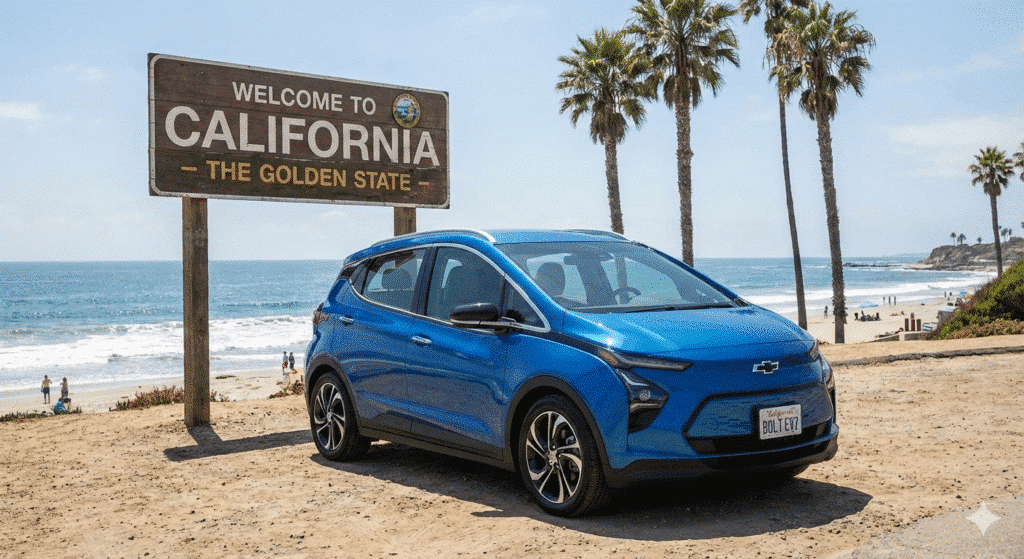
California Governor Gavin Newsom announced on July 16, 2026, that 13 major automakers have partnered with the state to launch a new incentive program designed to make electric vehicles more affordable for first-time buyers and lessees. Known as MyFirstEV, the initiative will provide instant rebates at the point of sale and is backed by a $135 million state investment that participating automakers will match dollar-for-dollar.
The program was established through Senate Bill 168, recently approved by the California Legislature and signed into law by Governor Newsom. State officials say the initiative demonstrates California’s continued commitment to expanding access to zero-emission vehicles despite the repeal of the federal EV incentive program in September 2025.
Automakers participating in the MyFirstEV program include Ford, General Motors, Honda, Hyundai, Kia, Lucid, Mitsubishi, Nissan, Rivian, Subaru, Tesla, Toyota, and Volvo. By joining the initiative, these manufacturers are helping fund the program while reaffirming their commitment to California’s rapidly growing EV market.
The incentive program is scheduled to launch later this summer and will offer $3,500 rebates on new electric vehicles with a manufacturer’s suggested retail price (MSRP) of up to $50,000. Buyers of eligible used electric vehicles sold through manufacturer-certified pre-owned programs can receive rebates of up to $1,750 on vehicles priced at $25,000 or less. The program is available to California residents purchasing or leasing their first zero-emission vehicle.
The California Air Resources Board (CARB) will administer the program and is expected to release additional details regarding funding availability and enrollment procedures next month.
MyFirstEV is part of a broader $600 million clean transportation investment package funded through California’s Cap-and-Invest revenues and smog-abatement fees. The package includes funding for Community Air Protection projects, Clean Cars 4 All, clean off-road equipment incentives, the Hybrid and Zero-Emission Truck and Bus Voucher Incentive Project (HVIP), and the Carl Moyer Program, which supports the replacement of older heavy-duty engines with cleaner technologies.
Since the program was unveiled, automakers, clean-energy organizations, industry groups, and environmental advocates have voiced strong support for the initiative and its potential to accelerate EV adoption across California.
Mike Murphy, CEO of the American EV Jobs Alliance: “Governor Newsom and the California Legislature have stepped up to support California as America’s clear EV leader. $135 million for first-time EV buyers, matched dollar-for-dollar by automakers, adds up to more than $270 million in welcome help for new EV buyers. This legislation will fund a $3,500 cash-on-the-hood credit for tens of thousands of first-time EV buyers in the Golden State.”
Matt Petersen, President and CEO, Los Angeles Cleantech Incubator: “The Los Angeles Cleantech Incubator (LACI) is proud to have joined the call for EV incentives for cars and trucks through our clean vehicles campaign, and we are grateful to the Governor and legislature for reaching this deal. California now continues to lead on climate innovation and clean air, helping save money and create jobs—the deal also helps invest in companies based in our great state. This is exactly the type of bold climate leadership we hope to build upon and showcase by the time the world arrives for the 2028 Games.”
Laura Deehan, State Director, Environment California: “Californians will breathe easier thanks to these smart investments in clean cars, buses and trucks. I applaud the Governor and legislative leaders for crafting the clean car incentive to maximize every dollar by requiring a match from the car companies. This essentially doubles the clean air impact.”
Moms Clean Air Force: “On behalf of the 139,000 Moms Clean Air Force members in California, we celebrate this historic investment in fighting the leading source of smog and climate pollution in our state. This investment in clean electric vehicles will reduce air pollution in communities, which will mean fewer asthma attacks and lung infections, lower health care bills, and fewer harmful climate impacts. Moms Clean Air Force thanks the legislature and the governor for their leadership in keeping our kids safe from air pollution.”
Adrian Martinez, Director of Earthjustice’s Right To Zero Campaign: “California communities want buses and trucks that don’t pollute neighborhoods. These investments in nonpolluting trucks and buses show our elected leaders heard us. They also show California is not cowering in the corner as the Trump Administration seeks to destroy our clean transportation economy. Our leaders are standing up for cleaner air and a better future for Californians.”
Daniel Barad, Western States Director, Union of Concerned Scientists: “At a moment of escalating federal attacks and rollbacks, California’s leadership on zero-emission vehicle funding is both essential and timely. This funding for clean cars and trucks is a crucial bridge to a zero-emission transportation future and will help prevent California from falling behind the rest of the world. Further, the funding for Clean Cars for All is crucial to ensuring no one is left behind in the state’s transition to cleaner transportation.”
Benjamin Lu, Advocacy Manager, American Lung Association in California: “California’s clean air progress demands ongoing attention, including strong investments in zero-emission solutions. By investing in zero-emission trucks and other strategies to clean the air in our most impacted communities, California is showing we value public health and clean air.”
Susan Nedell, Sr. Western Advocate, E2: “These investments will drive growth in the state’s clean energy economy, adding to California’s 552,300 clean jobs, bolstering ZEV manufacturing in our state, and putting more Californians to work. These investments reinforce California’s global climate leadership ensuring our state remains a nexus of investment and job growth”
Hannon Rasool, Managing Director of Transportation at Natural Resources Defense Council: “This budget maintains California’s leadership in the transition to zero-emissions vehicles, and signals there’s no going back to the era of dirty air and only having the option of relying on expensive and volatile gas. These purchase incentive programs will put EV ownership within reach of more Californians, so they can enjoy the fuel and maintenance cost savings of EVs and keep more of their paychecks in their pockets. These programs will further strengthen California’s leadership in the global clean transportation economy, supporting jobs, innovation, and manufacturing.”
Shannon Olivieri Hovis, Chief Strategy Officer, California Environmental Voters: “At a time when the federal government is attacking California’s authority to set stronger clean vehicle standards, this investment is exactly the kind of backstop we need to hold the line and protect our progress. By making it more affordable to drive electric, we’re cutting pollution, especially in communities that have spent far too long breathing dirty air from our busiest transportation corridors. California is proving once again that protecting clean air and lowering costs for families go hand in hand.”
Chris Chavez, Deputy Policy Director, Coalition for Clean Air: “We applaud both the Governor and the Legislature for their commitment to invest in clean transportation. Transportation is the largest source of pollution that harms both the climate and health in California. Funding clean transportation is an investment in public health, especially since California is home to the dirtiest air in the nation.”
Trisha DelloIacono, Head of Policy, CALSTART: “CALSTART champions the Governor and Legislature’s budget agreement, a decisive action that strengthens California’s global zero-emission leadership. This budget provides critical market certainty by providing funding for light-duty consumer incentives and the Clean Truck and Bus Voucher Incentive Project (HVIP). We commend California’s leaders for matching climate ambition with capital and look forward to continuing to work together to advance additional transportation investments needed to support deployment, strengthen supply chains, and provide transportation alternatives.”
CA EV Sales Rebound
The California Energy Commission (CEC) reported that as gasoline prices skyrocketed due to the Iran war, new zero-emission vehicle (ZEV) sales increased in the second quarter of 2026, representing 19.1% of new vehicle sales in CA, a 3.3 percentage point increase quarter over quarter. California remains the nation’s leader in ZEV purchases and infrastructure. Clean Technica reported the numbers include battery electric vehicles (BEVs), plug-in hybrids, and fuel cell EVs. Of the 86,857 new ZEVs counted by CEC, 75,597 were BEVs, and 11,179 were plug-in hybrids. Fuel cell EVs came in at just 81 vehicles.
EVinfo.net’s Take: California Wisely Making up for Federal Mistakes
Early in 2025, Executive Order 14154 foolishly directed federal agencies to roll back programs supporting electric vehicles, including initiatives tied to consumer incentives and fuel economy regulations. Later, in July 2025, the One Big Beautiful Bill Act (OBBBA) removed financial penalties for automakers that failed to meet existing fuel economy standards, reducing the pressure on manufacturers to prioritize EV sales in the U.S. market. The legislation also foolishly and suddenly ended federal tax credits for new and used electric vehicle purchases after September 2025.
These changes had a substantial impact on the new US EV market. OEMs foolishly over-reacted and cut many upcoming and existing EV models, announcing billions of dollars in losses, to re-focus production from EVs to hybrids and gas vehicles. New EV sales fell, and are only now beginning to stabilize.
Why EV Incentives Are Smart and Good For Everyone
Electric vehicle incentives are often criticized as government spending, but the reality is that they are investments in cleaner air, lower transportation costs, improved energy security, and a more sustainable future, things that are good for everyone.
The case for EV incentives starts with a simple fact: electric vehicles have repeatedly been shown to be the cleanest type of passenger vehicle available. Numerous studies have found that even when accounting for electricity generation and battery production, EVs produce significantly fewer lifetime emissions than gasoline-powered vehicles. As electric grids continue to add more renewable energy, those environmental advantages become even greater.
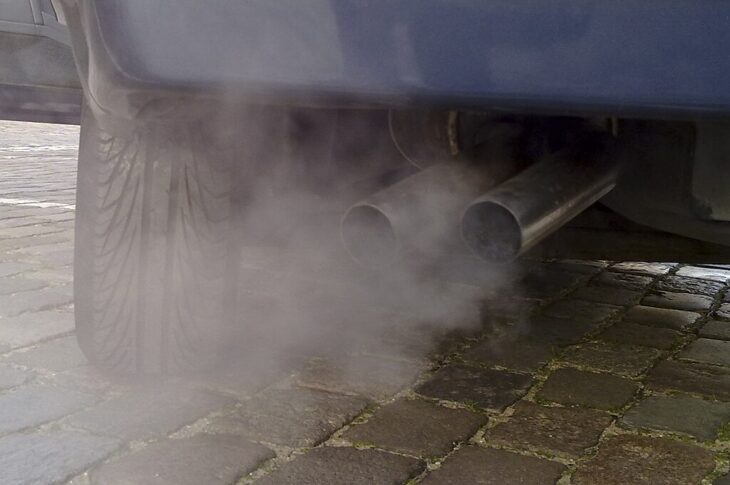
The benefits are not limited to reducing greenhouse gases. A California study found that increased EV adoption helped improve local air quality by reducing harmful vehicle emissions. Cleaner air means fewer health impacts from pollution, particularly in communities located near busy roads, highways, and freight corridors. Every gasoline vehicle replaced by an EV helps reduce the pollutants that contribute to respiratory and cardiovascular diseases.
A new study from the International Council on Clean Transportation (ICCT), the organization known for exposing Volkswagen’s Dieselgate emissions scandal, concludes that a faster global transition to electric vehicles could prevent 8.8 million premature deaths by 2050.

EVs can also save drivers money. Electricity is often cheaper and more stable in price than gasoline, while electric vehicles generally require less maintenance because they have fewer moving parts. Over time, many drivers find that lower fueling and maintenance costs help offset the higher upfront purchase price. Incentives help bridge that initial cost gap and make the technology accessible to more households.
There is also a strong national security argument for electrification. The United States remains vulnerable to disruptions in global oil markets, whether caused by geopolitical conflicts, supply shortages, or price manipulation. EVs powered by domestically generated electricity, especially when paired with renewable energy sources such as solar and wind, reduce dependence on volatile oil markets and strengthen energy independence.

Perhaps most importantly, EV incentives are part of a broader response to climate change. The recent heatwaves experienced across many regions are another reminder that human-caused climate change is not a future threat. It is happening right now. Transportation remains one of the largest sources of greenhouse gas emissions, making the transition away from gasoline-powered vehicles an essential part of any climate strategy.
EVs alone will not solve climate change, but they are one of the most effective tools available today. Combined with renewable energy, energy efficiency, and cleaner industrial practices, electric vehicles help reduce emissions, improve public health, strengthen energy security, and build a more sustainable future. Supporting their adoption through incentives is not just good policy. It is an investment in people and the planet. We hope all other U.S. states that don’t have their own EV incentives begin working on it right now.

Electric Vehicle Marketing Consultant, Writer and Editor. Publisher EVinfo.net.
Services